
Mina sat in the clinic chair with a paper cup gone cold in her hand. The nurse had just asked, 'So what brings you in today?' and Mina did what a lot of us do - she reached for the long version. Three months of off-and-on headaches, a weird stomach thing, poor sleep, and that ache behind her left shoulder that showed up after work.
The answer came back thin. 'Anything else?' the nurse asked, already halfway to the door. Mina blinked at the floor tiles and said, 'I guess not.' Fifteen minutes later, she walked out with a note to 'keep an eye on it' and no clear next move.
That gap - between 'something feels off' and 'here is what I need from this visit' - is where a lot of appointments drift. A few short notes can change that fast.
The waiting room pile of papers and cold coffee
The waiting room pile of papers and cold coffee
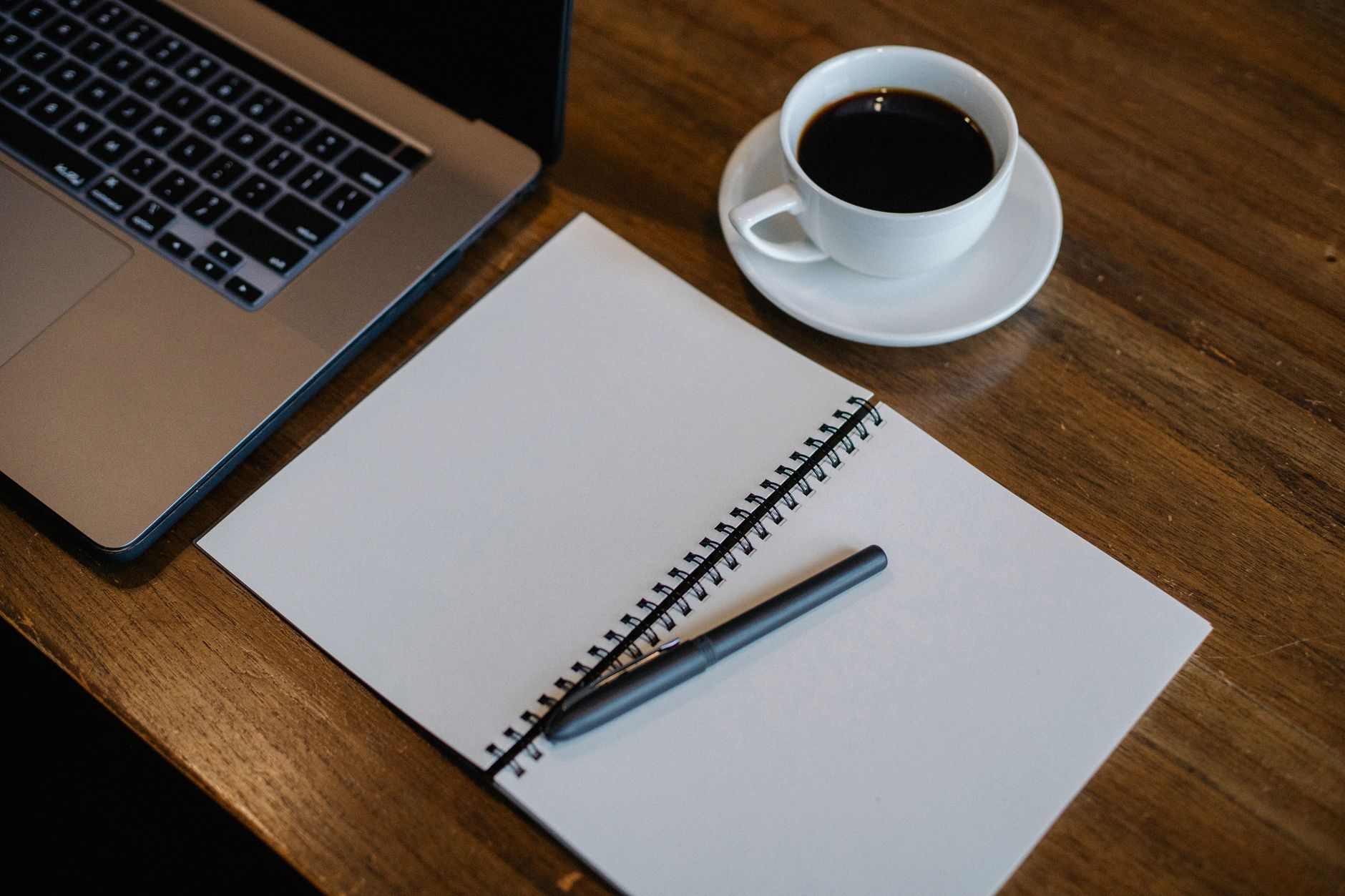
'I wrote it down somewhere,' Mireya said, digging through a cracked folder in her lap. The paper stuck to the lid of a cold coffee cup, and the cup had left a brown ring on the intake form.
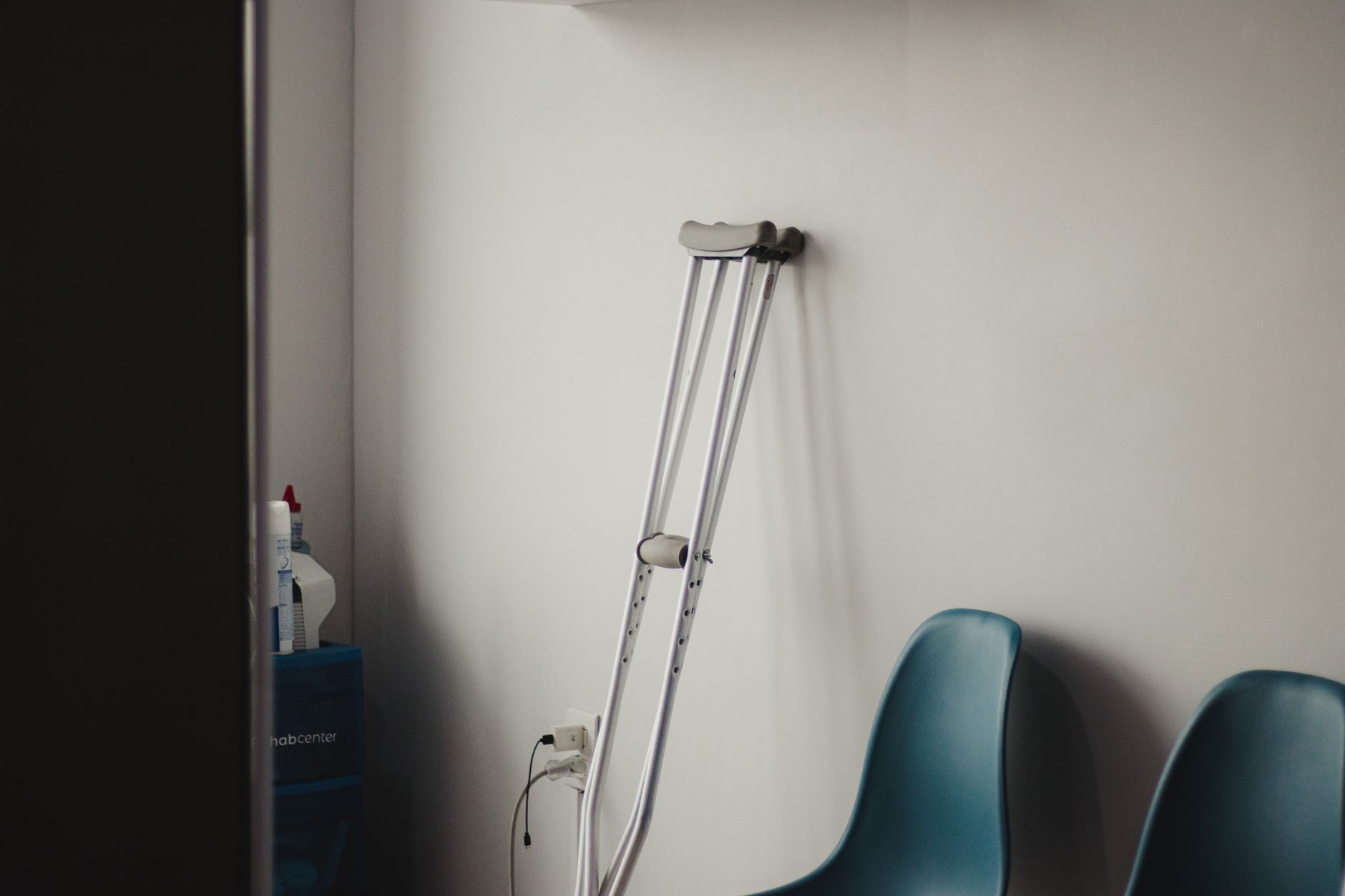
The waiting room had that flat clinic smell, wipes and old carpet and something warm from the radiators. A TV murmured above the front desk while a printer coughed out one more page.
When the nurse called her name, Mireya stood up with the folder half open. Two loose pages slid onto the floor, and she gave them a tired look like they had done this before.
Inside the exam room, the conversation started clean and then drifted. 'So, what brings you in today?' the doctor asked, pen ready, and Mireya said, 'Well... it's been a thing for a while.'
That answer can fill the room fast. It sounds honest, but it also leaves the important parts floating - the part that started first, the part that changed, the part that still has a pattern.
The useful visit often begins before anyone sits down. It shows up as one page that does not slide around, one coffee that stays forgotten, one sentence that lands without having to be chased.
Mireya smoothed the papers back into a stack and tapped the top line with one finger. The printer hissed again, and the doctor waited with the pen hovering over nothing.
Three notes that change the whole visit
Three notes that change the whole visit
Mina, 41, slid a folded page from her bag and tapped it twice. 'I don't want to forget the stupid little stuff,' she said.
The page had three lines: what changed, when it started, and what makes it better or worse. That was enough to stop the visit from drifting into a loose story about 'feeling off'.
There is a reason the short version works. Studies on patient recall often show people keep only about 40 percent of what was said once they leave the room.
A long diary sounds careful, but it can bury the one detail that matters. 'Sometimes I get a twinge' is fog; 'it starts after lunch and settles when I walk' gives the doctor something to test.
The trick is not writing more. It is naming the pattern, the clock, and the trigger in plain words.
Use the same three notes for almost anything: the symptom, the timing, the context. If you had dizzy spells twice in a week, that number belongs on the page before the visit starts.
Three lines can do more than three pages when the room is moving fast and the clock keeps ticking.
The mistake that sends people home with 'keep an eye on it'
The mistake that sends people home with 'keep an eye on it'
Marta slid into the chair and laughed once, tight and tired. 'It's probably nothing,' she said, and then spent the next five minutes describing three different pains, two old injuries, and a week of bad sleep.
That is the trap. The details are there, but they are scattered, so the story never lands on one clear problem.
A clinician can hear 'headache' and 'back pain' and 'stress' and still miss the piece that matters most. Was it new this morning, or the same thing that showed up six weeks ago after the flu?
People also hide the awkward stuff. They leave out the late-night cough, the missed meal, the new supplement, the half-dose of something they stopped last Thursday.
Then the visit turns into soft words and a safe shrug. 'Watch it for now.' 'See if it settles.' 'Come back if it changes.'
The common mistake is trying to sound brief and calm instead of clear. A muddled visit can make a real problem look ordinary, and an ordinary problem sound harder than it is.
The fix is not a speech. It is a clean line from start to finish, so the person on the other side can stop guessing.
When a simple checklist does not work
When a simple checklist does not work
Mara slid her note card back into her pocket and frowned. 'This is not going to fit,' she said, looking at the page like it had started a fight.
That happens when the problem is messy, moving, or tied to one another. A headache that shows up with dizziness and a new pill is not the same as a sore knee with no other changes.
It also happens when the appointment is tiny. Ten minutes goes fast, and a long list can swallow the part that matters most.
The mistake is trying to cram everything into one sheet anyway. The visit turns into a blur of half-finished sentences, and the thing that changed last week gets buried under months of background noise.
So the list gets smaller, not longer. Write down the one thing that worries you most, the one change that came first, and the one question you cannot leave without asking.
If symptoms touch several parts of the body, use a simple timeline instead of a checklist. 'Started here, then this showed up, then this got worse' gives a clinician something to hold onto.
And if the clock is tight, say so early. 'I only have ten minutes' can change the shape of the whole conversation, which is better than watching the last minute disappear into the ceiling tiles.
Your notes versus going in empty-handed
Your notes versus going in empty-handed
Mina, 41, slid a folded page from her bag and said, 'I wrote it down because my brain blanks out in there'. The doctor skimmed it once, then started asking sharper questions.
With notes, the talk stays anchored. Without them, you get a lot of 'maybe', a few false starts, and the clock eating half the visit.
The difference shows up fast. One person leaves with a plan for what to watch, what to change, and what needs a follow-up. The other leaves with a shrug and a promise to 'circle back if it keeps happening'.
People often think the visit is about talking more. It is usually about talking with less drift.
A simple page works better than a long speech. Put the main symptom, when it shows up, and any recent change on one side, then leave space for the question you keep forgetting to ask.
If you hate writing, use your phone. Three bullets in a notes app beat trying to remember everything while the nurse is already at the door.
And if you freeze anyway, hand over the paper and let the room do the work. Mina watched the doctor tap her note twice and say, 'This helps'.
Tonight, before the forms get shoved in a bag and forgotten, take fifteen minutes and make the list: three symptoms, three questions, one line on when it started. Add the boring details too - the cold coffee, the skipped lunch, the shoulder ache after your shift. That stuff helps more than a clean story.
Mina could have used those notes at the door, before the nurse was already halfway out. Next time, the cup can still go cold. Your page just has to be ready.
Frequently asked questions
Do I need to fast before a wellness check?
Only sometimes. If the clinic has ordered bloodwork that needs fasting, they will say so ahead of time. If they did not mention it, do not assume you need to skip breakfast.
Can I bring a written list to my wellness check?
Yes, and it often helps. Keep it short, with the top 3 to 5 things you want answered, so the visit does not turn into a ramble.