Diet
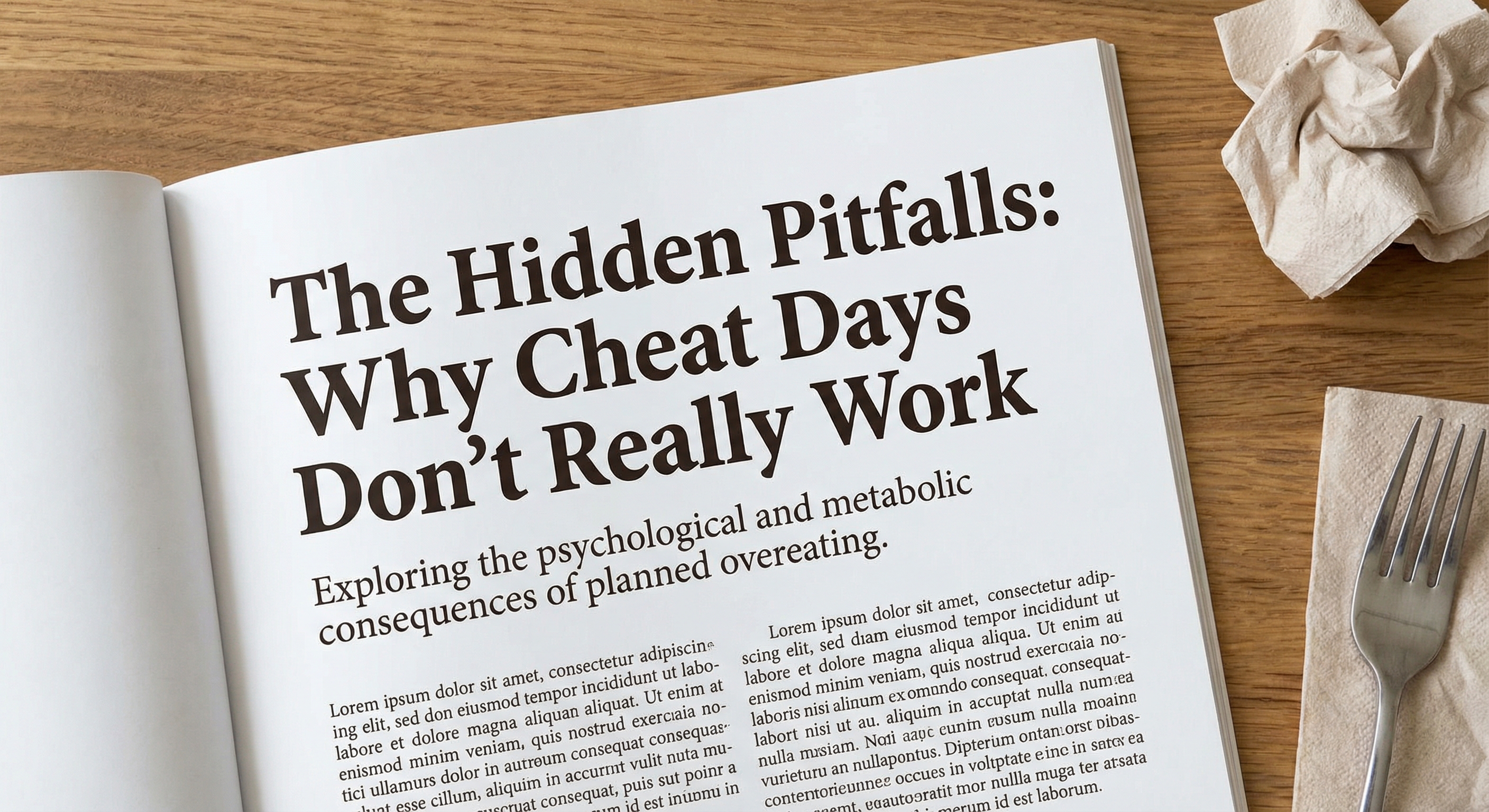
Tired of the restrict-binge cycle? Many people turn to "cheat days" as a way to indulge without guilt while dieting. But are they truly effective, or do they sabotage your progress? This article explores why cheat days often don't work and reveals the hidden costs of this popular diet trend. We'll also provide practical strategies for building a healthier relationship with food.
Key points
- Cheat days moralize food, fueling guilt, shame, and stronger cravings for “forbidden” foods.
- Restriction followed by indulgence mirrors binge–restrict cycles linked to disordered eating.
- Rigid rules erode body trust; flexible guidelines support hunger awareness and satisfaction.
- True balance means everyday permission, consistency, and food freedom—not cheat day swings.
For years, the idea of a “cheat day” has been promoted as a way to enjoy your favorite foods without derailing your diet. The concept is simple: stick to a strict eating plan most of the time, then dedicate one day to indulging in foods you've been avoiding. While this approach may seem appealing, it often leads to cycles of guilt, deprivation, and rebound eating. Research suggests that cheat meals can reinforce unhealthy eating patterns, making it more challenging to develop a balanced relationship with food (Harvard, 2024).
The Problem with Cheat Days
Cheat days often create a false sense of balance, masking underlying issues with your overall eating habits. Instead of fostering a healthy relationship with food, they can perpetuate a cycle of restriction and overindulgence. This approach often does not work because it focuses on short-term gratification rather than long-term sustainable habits.
Why Cheat Days Backfire: The Hidden Costs
- Cheat days divide food into “good” and “bad.” Labeling foods as clean or forbidden assigns moral value to them. Salad becomes virtuous, dessert becomes sinful. This moralization of food increases guilt, shame, and preoccupation with eating. Instead of promoting balance, cheat days reinforce the idea that certain foods are special or off-limits, which only intensifies cravings and perpetuates the binge–restrict cycle. The idea that cheat days don't work stems from this very division.
- They set up cycles of restraint and bingeing. Studies consistently show that dietary restraint predicts binge eating. Cheat days are, in essence, planned restraint followed by planned loss of restraint. What might appear as a “lack of willpower” is often the body’s natural reaction to deprivation. Stanford researchers have found that extreme restriction can lead to powerful cravings and subsequent overeating.
- They undermine body trust. Cheat days rely on external rules about when and what to eat, distancing you from your internal cues of hunger, fullness, and satisfaction. Over time, this reduces interoceptive awareness—the ability to sense your body’s needs—a factor linked to disordered eating and poorer mental health. Relying on external rules makes it clear why cheat days don't work.
- They compromise psychological well-being and health. By positioning pleasure foods as something to be earned, cheat days reinforce the idea that your health and worth depend on rigid control. In contrast, intuitive eating research demonstrates that abandoning external rules and tuning into hunger, fullness, and satisfaction leads to better psychological well-being and lower rates of disordered eating.
"Cheat days reinforce the idea that health and worth depend on rigid control."
The Science Behind Restrict-Binge Cycles
Understanding the science behind why cheat days don't work involves looking at the physiological and psychological effects of restriction. When you severely restrict calories or certain food groups, your body responds by increasing hunger hormones and slowing down metabolism. This can lead to intense cravings and a higher likelihood of overeating when you finally allow yourself to indulge. Moreover, the psychological aspect of labeling foods as "forbidden" creates a sense of deprivation, making those foods even more appealing.
How to Break Free from the Cheat Day Mentality
Finding balance in your eating habits can be challenging. If moderation were easy, fewer people would turn to cheat days. When food rules and deprivation have shaped your life for years, the idea of unconditional permission can feel daunting. It’s not just about “eating in moderation,” but about slowly rebuilding trust with your body and learning new ways to respond to cravings, hunger, and satisfaction.
So, what’s the alternative? Instead of oscillating between deprivation and “cheating,” shift from rigid rules to flexible guidelines. Rigid rules are often broken, leading to crushing guilt. They also amplify the allure of a cheat day: a temporary escape from restriction, a moment to finally let go.
Guidelines, on the other hand, provide structure without rigidity. They might include:
- Fueling yourself regularly throughout the day
- Choosing foods you enjoy that also leave you feeling nourished and energized
- Paying attention to cues of hunger and satisfaction
When it comes to foods you often save for a “cheat day,” the goal isn’t to banish or binge on them, but to integrate them gently. By allowing these foods in everyday life, they lose their forbidden status and their power diminishes.
Practical Strategies for Sustainable Eating
Here are strategies to break free from the cheat day cycle and embrace a more balanced approach to eating:
- Start small: Choose one food you’ve restricted and try incorporating it in a calm, intentional way. Notice how it feels when it’s no longer tied to binge/restrict cycles.
- Eat consistently: Skipping meals or saving calories often backfires. Regular eating helps the body feel safe and reduces the intensity of later cravings.
- Broaden your conceptualization of health: Health is not only about nutrients on a plate—it’s also about mental well-being, body trust, and freedom from guilt-driven cycles.
- Ask gentle questions: Instead of “Is this food good or bad?” try “Am I hungry? Will this feel satisfying? How might I feel after eating it?”
Building a Healthier Relationship with Food
True balance doesn’t come from swinging between extremes. It comes from a compassionate practice of consistency, permission, and flexibility—day by day. Food doesn’t need to be earned, and it never requires cheating. Every day can hold both nourishment and satisfaction. This is the key to understanding why cheat days don't work as a long term strategy.
Instead of focusing on cheat days, consider these approaches:
- Focus on whole, unprocessed foods: Build your diet around nutrient-dense foods that nourish your body and provide sustained energy.
- Practice mindful eating: Pay attention to your hunger and fullness cues, and eat slowly and intentionally.
- Allow yourself to enjoy your favorite foods in moderation: Deprivation can lead to cravings and overeating.
Frequently Asked Questions (FAQs)
Q: Are cheat meals ever okay?
A: While occasional treats can be part of a balanced diet, relying on scheduled "cheat days" can reinforce unhealthy eating patterns. Focus on incorporating your favorite foods in moderation as part of your overall eating plan.
Q: How can I stop feeling guilty after eating "unhealthy" foods? A: Challenge your negative thoughts about food. Remind yourself that food is not inherently good or bad, and that enjoying your favorite foods in moderation is part of a healthy relationship with food.
Q: What are some signs of disordered eating?
A: Signs of disordered eating can include excessive restriction, binge eating, feeling guilty or ashamed about eating, and preoccupation with weight and body shape. If you are concerned about your eating habits, seek help from a qualified professional.
True balance doesn’t come from swinging between extremes. It comes from a compassionate practice of consistency, permission, and flexibility—day by day. Food doesn’t need to be earned, and it never requires cheating. Every day can hold both nourishment and satisfaction.