The Silent Struggle: Confronting Nicotine Addiction
For millions worldwide, the desire to quit smoking or vaping is a deeply personal and often challenging journey. Nicotine addiction, a powerful hold on both body and mind, can feel insurmountable, leading to repeated attempts and frustrations. In 2025, despite increased awareness of health risks, many still grapple with the pervasive influence of tobacco products and e-cigarettes. The problem extends beyond physical cravings; it encompasses ingrained habits, social triggers, and psychological dependence that make breaking free incredibly difficult.
The health risks associated with nicotine use, including elevated blood pressure, increased heart rate, and narrowed arteries, are well-documented (American Heart Association, 2024). Yet, the immediate gratification and dopamine release from nicotine create a powerful cycle, making cessation feel like a constant uphill battle. This is where effective tools and strategies become paramount, offering a beacon of hope for those committed to reclaiming their health and well-being.
The Challenge of Quitting: Why Many Attempts Fall Short
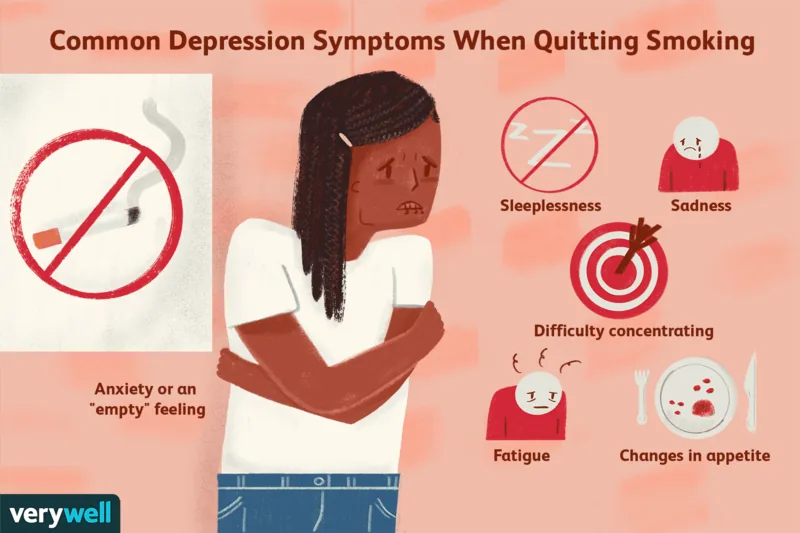
The journey to quit smoking or vaping presents a significant challenge, often marked by intense withdrawal symptoms and persistent cravings. Many individuals attempt to quit “cold turkey,” only to find themselves overwhelmed by the physical and psychological discomfort that follows. These symptoms, which can include irritability, anxiety, difficulty concentrating, and a strong urge to smoke, are the body’s reaction to the sudden absence of nicotine. Without adequate support or a strategic approach, these powerful urges can quickly derail even the most determined efforts.
A common pitfall is misunderstanding the nature of nicotine addiction itself. It’s not merely a bad habit but a complex physiological dependence that alters brain chemistry, particularly affecting the reward pathways involving dopamine. When nicotine is suddenly removed, the brain struggles to adapt, leading to intense discomfort. Some also mistakenly turn to e-cigarettes as a cessation aid, unaware of their own health risks and high nicotine content, which can perpetuate the addiction rather than resolve it (Harvard, 2024). This highlights the critical need for proven, safe, and effective methods to manage the withdrawal process and support long-term abstinence.
1. Understanding How Nicotine Patches Help
The nicotine patch is a cornerstone of nicotine replacement therapy (NRT), offering a powerful and proven solution for individuals seeking to quit smoking or vaping. So, how does the nicotine patch help you quit? It works by delivering a steady, controlled dose of nicotine through the skin into the bloodstream throughout the day. This consistent delivery helps to mitigate the severe withdrawal symptoms and intense cravings that often accompany cessation, making the process more manageable. Unlike cigarettes, the patch provides nicotine without exposing the user to the thousands of harmful chemicals found in tobacco smoke, thereby reducing immediate health risks while gradually weaning the body off its dependence.
Research consistently shows that using NRT, including the nicotine patch, significantly increases a person’s chances of successfully quitting by approximately 50% to 60% (Hartmann-Boyce et al., 2018). This efficacy stems from its ability to stabilize nicotine levels, preventing the sharp peaks and valleys that trigger intense cravings and dopamine rushes associated with smoking. The goal is not to replace one addiction with another, but to provide a therapeutic bridge, allowing the body to adjust to lower nicotine levels over time in a controlled manner. For example, a person accustomed to the immediate hit of a cigarette might find the steady release from a patch helps them focus on breaking behavioral habits without the added stress of acute physical withdrawal. The nicotine patch was approved by the FDA in 1991 and has been widely available over-the-counter since 1996, solidifying its reputation as a safe and effective aid. Its ease of use and discreet nature make it a popular choice for those committed to their quit journey, providing consistent nicotine patch help throughout the day.
2. Maximizing Effectiveness: Usage, Dosage, and Gradual Weaning
To truly maximize the effectiveness of nicotine patch help, understanding proper usage, adhering to the recommended dosage, and following a gradual weaning timeline are crucial. The application process is straightforward: apply the patch to clean, dry, hairless skin on areas like the upper arm, chest, shoulder, or back. It’s vital to wash your hands thoroughly after application to remove any residual nicotine. To prevent skin irritation, rotate the patch location daily, ensuring you don’t use the same spot two days in a row. While some patches are designed for 24-hour wear, many users find removing it before bed and applying a fresh one in the morning helps prevent sleep disturbances or vivid dreams, a common side effect of overnight nicotine exposure. Proper disposal is also key; fold the used patch in half so the adhesive sides stick together and ensure it’s out of reach of children and pets, as accidental exposure can be dangerous.
Nicotine patches typically come in three strengths: 21 mg, 14 mg, and 7 mg. The starting dosage is usually determined by your current smoking habits. For instance, individuals who smoke a pack or more of 20 cigarettes daily often begin with the 21 mg patch. The process involves a structured “step-down” approach, where you gradually transition to lower dose patches over an 8- to 12-week period. This phased reduction allows your body to slowly adjust to decreasing levels of nicotine, minimizing the severity of withdrawal symptoms. For example, after a few weeks on the 21 mg patch, you might move to the 14 mg patch for another few weeks, then to the 7 mg patch, before finally discontinuing use altogether. Consulting a healthcare professional is highly recommended to develop a personalized plan that best suits your individual needs and smoking history, ensuring you get the most effective nicotine patch help tailored for your journey.
3. Navigating Risks and Side Effects of Nicotine Patch Help
While nicotine patch help is a valuable tool for cessation, it’s important to be aware of potential health risks and side effects to ensure safe and effective use. Nicotine itself, even in therapeutic doses, can affect the body. It’s known to increase blood pressure and heart rate, and can narrow arteries, which is why individuals with pre-existing heart conditions, high blood pressure, or diabetes should always consult a doctor before starting NRT (MedlinePlus, 2024). The patch delivers nicotine, a highly addictive substance, so it’s critical to use it as directed to avoid perpetuating dependence or experiencing adverse effects.
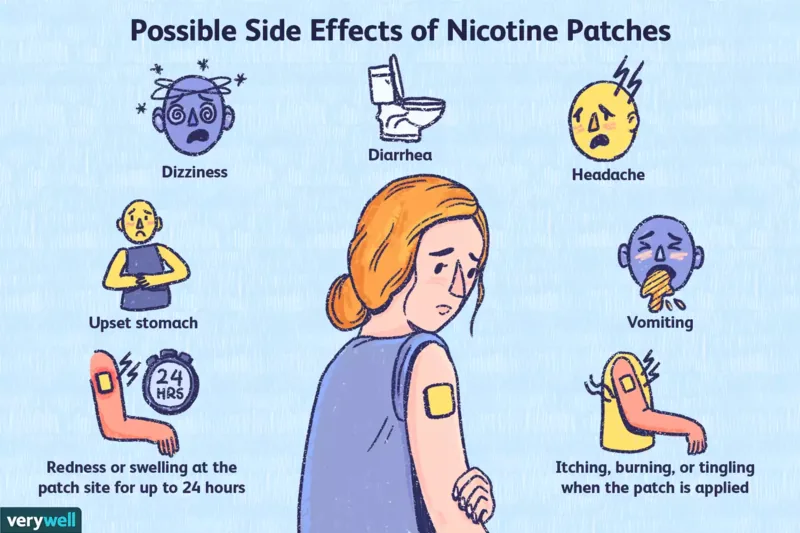
Common side effects associated with nicotine patch use are generally mild and localized. Many users report itching, burning, or tingling at the application site, which usually subsides within an hour as the skin adjusts. Redness or swelling at the patch site can also occur, sometimes lasting up to 24 hours. If these skin reactions are severe or persistent, rotating application sites more frequently or trying a different brand may help. Other potential side effects include mild headaches, dizziness, upset stomach, diarrhea, or vivid dreams if worn overnight. If any of these symptoms become bothersome, removing the patch before bed might alleviate sleep disturbances. More serious, though rare, side effects like an abnormal heartbeat, difficulty breathing, or severe rash warrant immediate medical attention. It is also paramount to never smoke or vape while using a nicotine patch, as this significantly increases the risk of nicotine overdose, leading to symptoms like severe headaches, blurred vision, confusion, or vomiting. Always consult a healthcare provider if you have any underlying medical conditions or are taking other medications, as the patch can interact with certain treatments.
4. Exploring Other Nicotine Replacement Therapies and Holistic Support
Beyond the nicotine patch, a range of other nicotine replacement therapies (NRTs) are available, each offering a distinct approach to providing nicotine patch help and managing withdrawal symptoms. These include nicotine gum, lozenges, inhalers, and nasal sprays. Nicotine gum and lozenges, like patches, are available over-the-counter and offer a more immediate, on-demand dose of nicotine to combat sudden cravings. For example, chewing nicotine gum when a craving hits can provide a quick burst of nicotine, allowing you to manage specific trigger moments. However, they require careful use, such as avoiding eating or drinking 15 minutes before or during use, as food and beverages can affect nicotine absorption. Side effects unique to gum and lozenges can include mouth sores, throat irritation, or jaw discomfort.
Nicotine inhalers and nasal sprays, typically available by prescription, deliver nicotine rapidly to the bloodstream. The inhaler mimics the hand-to-mouth action of smoking, which some users find psychologically comforting, while the nasal spray provides the fastest nicotine delivery among NRTs. These options are often used for shorter durations, generally not exceeding six months, and come with their own set of side effects like coughing, throat irritation, or runny nose. For instance, someone with persistent coughing might find the nasal spray less irritating than an inhaler. The ultimate success in quitting, however, is often amplified when NRTs are combined with comprehensive behavioral counseling or support groups. This integrated approach addresses both the physical addiction and the psychological habits associated with smoking. Combining a long-acting NRT like the patch with a short-acting NRT like gum for breakthrough cravings, coupled with counseling, has shown to be the most effective strategy for long-term abstinence, offering robust nicotine patch help and holistic support for a smoke-free future (Rigotti, 2012).