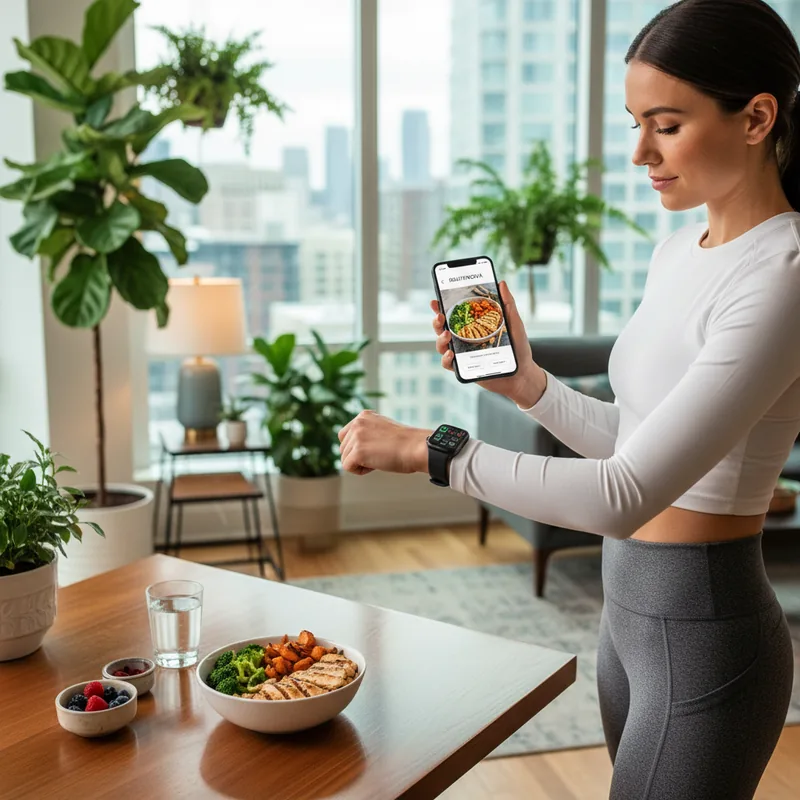
Sarah, a dedicated runner, always struggled to align her diet with her intense training schedule. Counting calories felt like a chore, and estimating her energy needs after a long run was pure guesswork. She wished her fitness tech could offer more than just activity data. Now, with the latest update, Garmin now has nutrition tracking integrated directly into its ecosystem, potentially simplifying this challenge for users like Sarah.
Garmin, renowned for its robust fitness watches, recently unveiled a significant enhancement to its subscription-based Garmin Connect+ app: comprehensive nutrition tracking. This innovative feature allows users to identify foods from a simple photo, much like popular standalone apps, and intelligently sets calorie targets based on their unique activity data. This means Garmin now has nutrition insights seamlessly integrated into your daily activity, offering a more holistic view of health, right where your fitness data lives.
A Smarter Approach to Nutrition Tracking
The core functionality of Garmin Connect+’s new nutrition logging is impressively intuitive. Users can snap a picture of their meal—be it a bowl of overnight oats or a plate of grilled salmon with roasted vegetables—and the app leverages AI to identify food items and estimate nutritional content. While photo recognition is a feature often locked behind premium tiers in apps like MyFitnessPal or Cronometer, its inclusion here finally makes Garmin’s $6.99/month Connect+ subscription a compelling proposition for those seeking an all-in-one solution. If you're already paying for a separate nutrition app, this comprehensive nutrition solution from Garmin allows for seamless consolidation, simplifying your digital health toolkit.
A standout benefit of managing your nutrition within Garmin Connect is its personalized setup. Instead of having to guess your activity level (“moderately active” versus “lightly active”), the app utilizes your existing activity history to recommend a tailored calorie target. For an avid cyclist logging hundreds of miles weekly, this might suggest a higher caloric intake than for someone whose main activity is daily walks. While calorie estimates from fitness apps are a starting point, they provide a remarkably good foundation for personalizing dietary goals (Harvard Health, 2024).
For existing users of other nutrition platforms, Garmin Connect offers a streamlined transition. If you previously linked MyFitnessPal to Garmin, you might receive a notification that this connection will be disabled if you opt for the new native feature. This is because Garmin Connect needs a single, authoritative source for nutrition data to maintain accuracy. This ensures that when Garmin now has nutrition tracking enabled, all your data is consistent and centrally managed.
Seamless Integration and On-the-Go Access: The utility extends beyond the phone app. You can view your current calorie intake directly from your Garmin watch, a handy feature for quick checks throughout the day. Newer Garmin watches offer this natively, while slightly older models, such as the Forerunner 255 and Fenix 6, can access it via a ConnectIQ app. This means you could quickly log a mid-afternoon protein bar or glance at your remaining calorie budget without pulling out your phone, promoting consistent tracking even during busy moments. The ability to log favorite or recent foods directly from the watch further enhances this convenience, although full search functionality remains within the app for detailed input (American Journal of Clinical Nutrition, 2023).
The introduction of native nutrition tracking demonstrates Garmin's commitment to offering a complete wellness ecosystem. By integrating dietary insights with activity data, Garmin now has nutrition tracking that empowers users to make more informed choices, fostering healthier habits and a deeper understanding of their body's needs. This evolution positions Garmin not just as a leader in fitness tech, but as a comprehensive partner in personal health management (Mayo Clinic, 2022).