According to recent data from AAA, over 69 million Americans experience a vehicle breakdown annually (AAA, 2023). This staggering figure highlights a common, yet often underestimated, risk for drivers. So, should I get roadside assistance coverage insurance? For the vast majority of drivers, the answer is a resounding yes. Whether you drive an older vehicle prone to issues, traverse long distances, or simply value preparedness, roadside assistance is a profoundly worthwhile investment. It offers not just financial protection, but invaluable peace of mind against the unexpected.
The Unforeseen Realities of Vehicle Breakdowns
Imagine being stranded on a desolate road, miles from the nearest town, with a flat tire or an engine that refuses to start. Without roadside assistance, such scenarios can quickly escalate from an inconvenience to a dangerous, costly ordeal. While many drivers might consider themselves capable of handling minor issues, the reality of changing a tire in heavy rain, or diagnosing an electrical fault at night, often proves far more challenging and unsafe than anticipated. This is precisely why considering, should I get roadside assistance, is a critical question for every car owner.
The cost of a single tow can easily outweigh years of roadside assistance premiums. Beyond the financial aspect, there's the sheer stress and vulnerability of being stranded. This coverage acts as a vital safety net, ensuring that professional help is just a phone call away, regardless of your location or the time of day. It transforms a potentially disastrous situation into a manageable inconvenience, underscoring its importance for personal safety and well-being.
Personal Accounts: When Roadside Assistance Becomes a Lifesaver
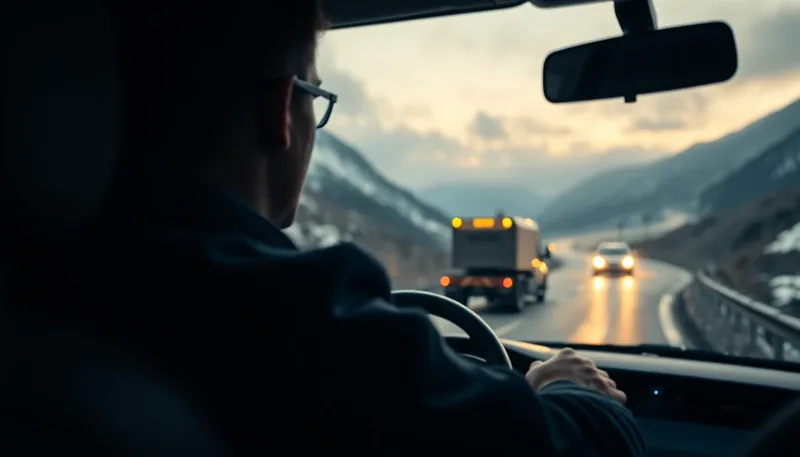
The true value of roadside assistance often becomes apparent during moments of crisis. Consider the annual winter pilgrimage from San Francisco to Lake Tahoe. While the promise of epic snow is enticing, the journey through mountain passes can be treacherous. Getting a flat tire at night amidst swirling snow on a narrow, winding road is not just frustrating; it's genuinely dangerous. Even for those skilled in changing a tire, the risk of injury from passing vehicles or the elements makes attempting a DIY fix highly inadvisable. In such a situation, knowing that help is on the way for a mere fraction of a monthly premium is priceless.
Another harrowing experience involved a vintage BMW, Sherman, which suffered complete brake failure while driving in pouring rain. The heart-stopping moment of realizing the car wouldn't stop, weaving through traffic to avoid a collision, and finally finding a gravel pit to halt, was terrifying. With the dashboard lit up like a Christmas tree, the immediate relief of calling roadside assistance was immense. A flatbed tow truck arrived within the hour, sparing the driver from a potentially several-hundred-dollar tow bill and the prolonged anxiety of being stranded on the freeway during a storm. This demonstrates the tangible savings and emotional comfort of having coverage.
Beyond mechanical failures, roadside assistance proves invaluable in other common predicaments. Picture finishing a long hike in a remote national park, only to find your car battery dead in a parking lot with spotty cell service. Or perhaps you've run out of gas on a deserted stretch of interstate at 2 AM, far from any service station. Even the simple act of locking your keys inside your vehicle on a freezing winter night can be a major headache. These are precisely the moments when asking, should I get roadside assistance coverage, is answered with a profound sense of gratitude for having it. Each of these new examples highlights the diverse range of scenarios where this coverage is a true lifesaver, not just for breakdowns but for unexpected logistical challenges.
Assessing Your Need: When to Prioritize Coverage
While nearly every driver can benefit, certain conditions make roadside assistance an absolute necessity. If you commute daily, especially over long distances or through areas with limited services, the likelihood of needing help increases significantly. Similarly, driving in inclement weather, such as heavy rain, snow, or fog, elevates the risks associated with a breakdown. The National Safety Council emphasizes the importance of preparedness for adverse driving conditions (National Safety Council, 2022).
The age and reliability of your vehicle are also major factors. Older cars, or those with a documented history of maintenance issues, are naturally more prone to unexpected problems. If you've recently purchased a second-hand car and are unsure of its complete service history, roadside assistance offers a crucial layer of protection. Furthermore, for those who lack the knowledge or tools to perform basic car repairs or maintenance, this coverage eliminates the stress and helplessness of a breakdown. Ultimately, if you value peace of mind and want to avoid the high costs and dangers of being stranded, then you should I get roadside assistance.
- Frequent Commuters: If your daily routine involves extensive driving, especially on highways.
- Inclement Weather Drivers: Those who regularly drive in challenging conditions like heavy rain, snow, or fog.
- Owners of Older Vehicles: Cars past a certain age are statistically more likely to experience mechanical failures.
- Used Car Buyers: If you're unfamiliar with a vehicle's full maintenance history.
- Limited Mechanical Knowledge: If you're not comfortable or equipped to handle minor car issues yourself.
- Value Peace of Mind: For anyone who prioritizes safety and convenience over potential emergency costs.
Making the Smart Choice: Investing in Peace of Mind
The modest monthly cost of roadside assistance coverage is a small price to pay for the extensive benefits it provides. From flat tire changes and battery jump-starts to fuel delivery and emergency towing, the services covered address the most common and frustrating vehicle issues. The Insurance Information Institute notes that the average cost of a tow can range from $75 to $125 or more, easily eclipsing annual premiums (Insurance Information Institute, 2024). This makes the coverage not just a convenience, but a financially prudent decision.
Ultimately, the question of, should I get roadside assistance?, boils down to your personal risk tolerance and desire for preparedness. Given the relatively low cost and the significant protection it offers against unforeseen circumstances, it's a small investment that delivers immense value. We strongly encourage every driver to contact their insurance provider to inquire about adding roadside assistance to their policy. Understand the costs, review the benefits, and make an informed decision that prioritizes your safety and financial well-being on the road.