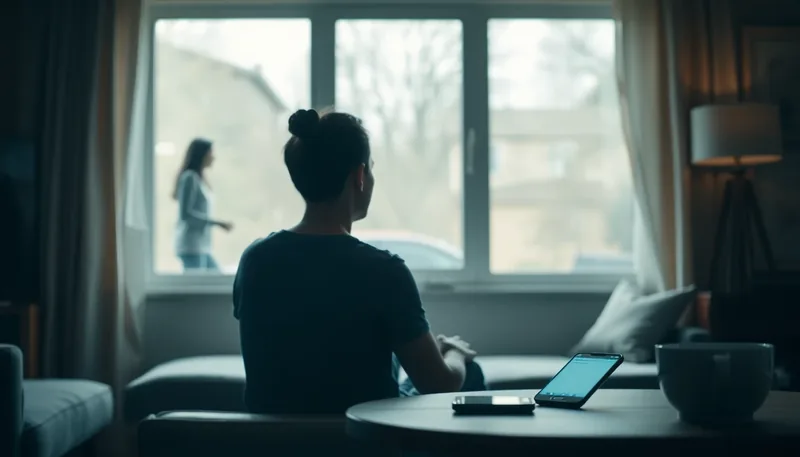
Imagine feeling genuine terror at the sound of a doorbell, experiencing panic when a coworker approaches your desk, or feeling physically ill at the thought of attending your own family dinner. This is the reality of anthropophobia--a profound and often misunderstood fear of people that goes far beyond ordinary shyness.
What Is Anthrophobia?
Anthrophobia represents a specific phobia where the fear centers on people themselves, rather than social performance or evaluation. While social anxiety disorder focuses on fear of embarrassment or judgment in social situations, anthropophobia triggers intense anxiety simply from the presence of other human beings. This crucial distinction makes understanding anthrophobia essential for proper diagnosis and treatment.
Consider a software developer who excels in remote work but experiences panic attacks when required to attend in-person meetings. Or a college student who orders all groceries online to avoid checkout clerks. These aren't choices--they're survival strategies for those whose nervous systems perceive human presence as an imminent threat. Research indicates that while social phobia affects how people perform around others, anthropophobia affects whether they can tolerate others' presence at all (Harvard, 2024).
How Anthrophobia Manifests
The symptoms of anthropophobia extend beyond psychological discomfort into tangible physical reactions. Sufferers may experience rapid heartbeat, sweating, trembling, or shortness of breath when anticipating or encountering other people. Unlike typical nervousness, these responses can occur even with familiar individuals like family members or close friends.
Three distinctive patterns often emerge:
- Workplace Avoidance: Professionals may decline promotions requiring team management or quit jobs that transition to office-based work.
- Digital-Only Relationships: Some maintain friendships exclusively through text or email, canceling plans repeatedly despite genuine affection for others.
- Family Gathering Panic: Even holiday celebrations with loving relatives can trigger days of anticipatory anxiety and physical symptoms.
This progressive isolation often begins subtly--perhaps avoiding crowded supermarkets--then expands to encompass virtually all human contact. Understanding anthrophobia requires recognizing these patterns before they become debilitating.
Treatment and Recovery Pathways
Effective treatment for anthropophobia typically involves gradual, systematic approaches that respect the individual's current limitations while gently expanding their comfort zone. Cognitive-behavioral therapy helps reframe catastrophic thoughts about human interaction, while exposure therapy might begin with simply looking at photographs of people, then progress to brief, controlled encounters.
Modern approaches emphasize:
- Virtual Reality Exposure: Controlled simulations of social situations
- Mindfulness Integration: Learning to observe anxiety without becoming overwhelmed
- Gradual Social Reintegration: Structured steps from digital to in-person interaction
Recent studies show that approximately 70% of individuals with specific phobias experience significant improvement with consistent treatment (Mayo Clinic, 2023). The journey toward overcoming fear of people requires patience--sometimes needing multiple sessions just to sit comfortably with a therapist--but each small victory rebuilds the human connection that anthropophobia has severed.
Supporting Someone With Anthrophobia
If someone you care about struggles with anthropophobia, your support can make a profound difference. Avoid minimizing their experience with statements like "just push through it" or "everyone feels nervous sometimes." Instead, validate their reality while gently encouraging professional help.
Practical support might include:
- Offering to research therapists specializing in anxiety disorders
- Respecting their need for advance notice before visits
- Creating low-pressure interaction opportunities, like parallel activities without direct conversation
Remember that recovery isn't linear. There will be setbacks when previously manageable situations become overwhelming again. Your consistent, non-judgmental presence provides the safety net that makes continued progress possible. Understanding anthrophobia means recognizing that the fear is real, the suffering is genuine, and the path forward requires compassion as much as clinical intervention.
While anthropophobia can feel like a life sentence of isolation, modern therapeutic approaches offer genuine hope. The very human need for connection that makes this phobia so painful also provides the motivation for healing. With proper support and treatment, the walls that anthropophobia builds can gradually come down, revealing the rich world of human relationships waiting on the other side.