If you've ever wondered how your brain seamlessly coordinates complex tasks--from reading a book to riding a bike--you're experiencing the silent work of your corpus callosum. This critical neural bridge connects your brain's hemispheres, and when damage occurs, the effects ripple through cognition, movement, and daily functioning. Understanding damage to the brain's corpus callosum isn't just academic; it reveals how we maintain brain health and recover from neurological challenges.
What Is the Corpus Callosum?
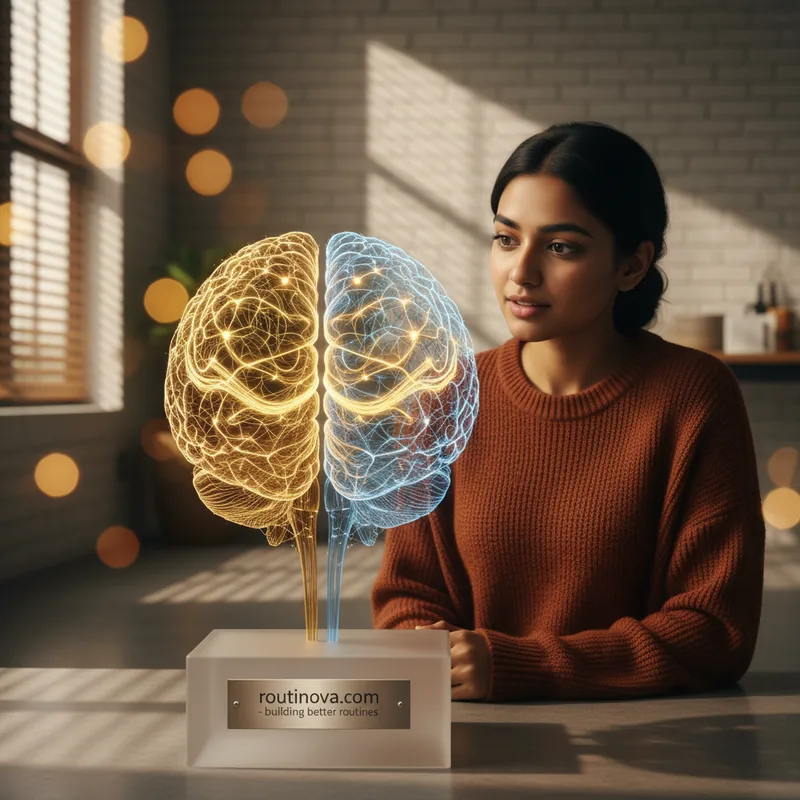
The corpus callosum is the brain's central communication highway--a thick bundle of over 200 million nerve fibers that connects the left and right cerebral hemispheres. Think of it as the neurological bridge that allows your brain's two sides to share information, coordinate actions, and create unified experiences from separate inputs.
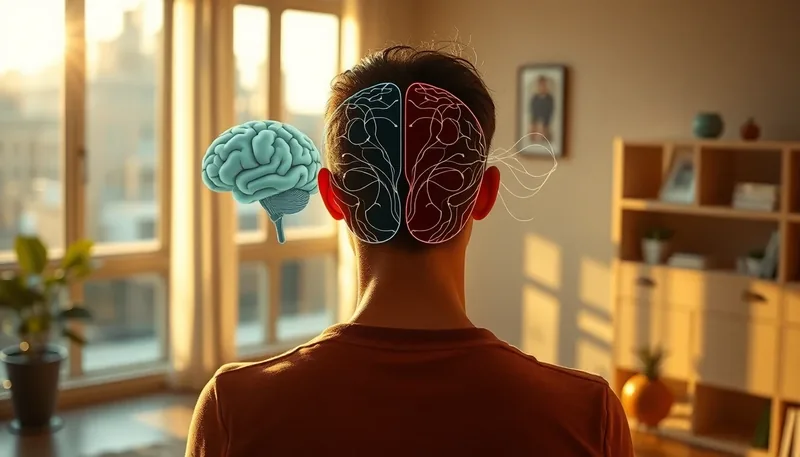
This structure enables what researchers call interhemispheric integration--the seamless blending of analytical thinking (typically left hemisphere) with spatial and emotional processing (typically right hemisphere). Without this connection, your brain would function like two separate computers without a network cable, unable to share crucial data.
Primary Functions and Daily Impact
The corpus callosum's main role is facilitating communication between brain hemispheres, but this simple description belies its complex impact on daily life. Research shows it's essential for integrating sensory information, coordinating motor movements, and enabling higher cognitive functions (Harvard, 2024).
Cognitive Integration
When you read a novel, your left hemisphere processes the literal meaning of words while your right hemisphere interprets emotional tone and visual context. The corpus callosum merges these streams into a coherent reading experience. Similarly, when solving complex problems, analytical reasoning from the left side combines with intuitive pattern recognition from the right.
Motor Coordination
Any activity requiring both sides of your body--from typing to swimming--depends on corpus callosum function. It synchronizes signals so your hands work together smoothly rather than competing against each other. This bilateral coordination is why damage to the brain's corpus callosum often manifests as movement difficulties.
Causes and Types of Damage
Damage to the brain's corpus callosum can occur through various mechanisms, each with distinct implications. Understanding these causes helps in recognizing symptoms and seeking appropriate interventions.
Developmental Conditions
Agenesis of the corpus callosum is a congenital condition where this structure fails to develop properly during pregnancy. Affecting approximately 1 in 4,000 individuals, it results from genetic factors, prenatal infections, or disruptions in fetal brain development (Mayo Clinic, 2023). Symptoms range from mild coordination issues to significant cognitive and social challenges.
Acquired Damage
Traumatic brain injuries, strokes, tumors, or surgical procedures can damage the corpus callosum in previously healthy brains. A corpus callosotomy--deliberate surgical severing--is sometimes performed to treat severe epilepsy when medications fail. While reducing seizures, this procedure creates what's essentially a disconnection syndrome between hemispheres.
Degenerative Conditions
Multiple sclerosis and other demyelinating diseases can degrade the protective myelin sheath around corpus callosum fibers, slowing or disrupting interhemispheric communication. This type of damage to the brain's corpus callosum often develops gradually, with symptoms worsening over time.
Symptoms and Effects
The specific effects of corpus callosum damage depend on the location and extent of impairment, but several common patterns emerge across cases.
Cognitive and Perceptual Changes
Patients may experience split-brain phenomena where information presented to one hemisphere isn't accessible to the other. For example, an object held in the left hand (processed by the right hemisphere) might not be verbally identifiable if language centers in the left hemisphere can't access that information.
Other cognitive effects include:
- Difficulty with complex problem-solving requiring multiple perspectives
- Impaired transfer of learning between hemispheres
- Challenges with spatial reasoning and three-dimensional visualization
- Reduced processing speed for tasks requiring bilateral coordination
Motor and Coordination Issues
Alien hand syndrome represents one dramatic manifestation--where a hand seems to act with its own volition, sometimes contrary to the person's intentions. More commonly, damage produces:
- Ataxia (lack of coordination in voluntary movements)
- Difficulty with bilateral tasks like clapping or using both hands together
- Challenges with midline crossing (reaching across the body's center)
- Impaired fine motor skills requiring hand synchronization
Emotional and Social Impacts
Because emotional processing involves both hemispheres, damage can create what researchers call emotional disconnection. A person might understand words intellectually but miss emotional nuance, or experience emotions without being able to articulate their source. Social interactions become challenging when facial expressions and tone don't align with verbal content.
Real-World Examples
Beyond the textbook cases, corpus callosum function--and dysfunction--manifests in everyday situations that reveal its crucial role.
Playing a Musical Instrument
Consider a pianist: the right hand often carries the melody while the left provides harmony and rhythm. The corpus callosum enables this sophisticated division of labor, allowing separate motor programs to synchronize into beautiful music. Damage might cause hands to play at different tempos or struggle with complementary patterns.
Navigating a New City
When you're lost, your right hemisphere processes spatial relationships and landmarks while your left analyzes street names and map symbols. The corpus callosum integrates these streams so you can both feel your way intuitively and reason your way systematically. Without this integration, navigation becomes either purely analytical (ignoring landmarks) or purely intuitive (ignoring directions).
Emotional Regulation
During stressful situations, your right hemisphere generates emotional responses while your left attempts to rationalize and regulate them. Healthy corpus callosum function allows these processes to balance--you feel emotions appropriately while maintaining cognitive control. Damage might lead to emotional outbursts disconnected from context or flat affect despite significant events.
Rehabilitation and Recovery
While the corpus callosum itself cannot regenerate, the brain's neuroplasticity allows for remarkable compensation through alternative pathways. Rehabilitation focuses on building these workarounds.
Therapeutic Approaches
Multidisciplinary therapy typically includes:
- Cognitive rehabilitation: Exercises that strengthen remaining connections and develop compensatory strategies
- Physical and occupational therapy: Activities improving bilateral coordination and motor planning
- Speech-language therapy: Addressing communication challenges resulting from interhemispheric disconnection
Research shows that intensive, task-specific practice can stimulate neural reorganization, allowing other brain regions to assume some functions of the damaged pathways (Harvard, 2024).
Compensatory Strategies
Patients learn to consciously transfer information between hemispheres through verbalization, visualization, or physical cues. For example, someone with alien hand syndrome might learn to keep the affected hand occupied with an object to prevent involuntary movements.
Brain Health and Prevention
While some causes of damage to the brain's corpus callosum are unavoidable, several evidence-based strategies support overall brain health and potentially strengthen interhemispheric connections.
Bilateral Brain Exercises
Activities requiring coordination between hemispheres can maintain and potentially enhance corpus callosum function:
- Learning a new instrument: Forces both hands to work in coordinated, yet different, patterns
- Juggling or dance: Develops cross-lateral movement and timing
- Non-dominant hand practice: Writing or drawing with your non-dominant hand stimulates contralateral hemisphere activation
Mindfulness and Meditation
Regular meditation practice correlates with increased corpus callosum thickness, suggesting enhanced myelination and fiber organization (Mayo Clinic, 2023). Mindfulness practices that integrate body awareness with cognitive observation--like body scans--specifically engage interhemispheric communication.
Lifestyle Factors
Comprehensive brain health involves:
- Aerobic exercise: Improves white matter integrity throughout the brain, including the corpus callosum
- Quality sleep: Supports myelin maintenance and neural repair processes
- Cognitive stimulation: Complex activities that engage multiple brain regions simultaneously
- Stress management: Chronic stress can negatively impact white matter structure
When to Seek Help
Recognizing potential signs of corpus callosum issues enables timely intervention. Consult a healthcare professional if you notice:
- Sudden changes in coordination or balance
- Difficulty with tasks requiring both hands
- Unusual disconnection between thoughts and emotions
- Problems with spatial reasoning or navigation
- One side of the body seeming to "not listen" to intentions
Early assessment allows for proper diagnosis and targeted rehabilitation, maximizing recovery potential through the brain's innate plasticity.
The Bigger Picture
Understanding damage to the brain's corpus callosum reveals a fundamental truth about brain function: integration is as important as specialization. Our cognitive abilities emerge not just from isolated brain regions excelling at specific tasks, but from their seamless collaboration across hemispheres.
This perspective shifts how we approach brain health--from focusing on isolated "brain games" to cultivating activities that build connections between different modes of thinking and being. Whether through musical practice, meditation, or simply being mindful of how we engage both sides of our body, we can support the neural bridges that make us whole.
The corpus callosum reminds us that our greatest strengths often lie not in isolated capabilities, but in integration--the ability to bring different perspectives, skills, and ways of knowing into coherent action. Protecting and nurturing these connections serves not just brain health, but our capacity for fully integrated living.