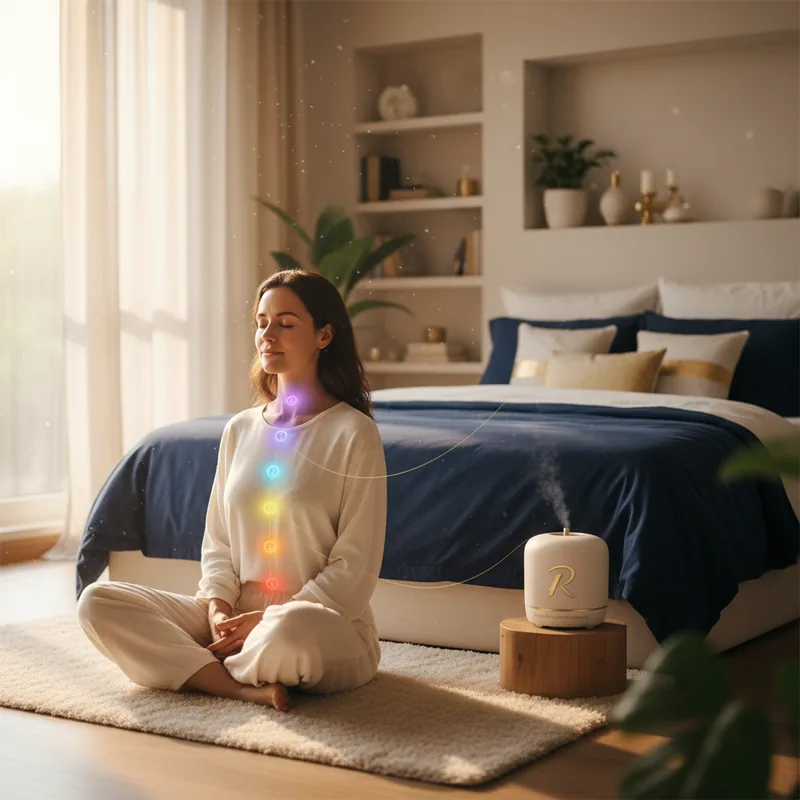
In a world increasingly demanding our attention and energy, finding practices that restore balance is more crucial than ever. As we navigate the complexities of modern life in 2025, ancient wisdom offers powerful solutions for well-being. This Qigong 101: beginner’s guide introduces you to a transformative practice that cultivates vital energy, fostering harmony of body, mind, and spirit.
Qigong, pronounced “chee-gong,” is an ancient Chinese meditative movement practice that involves slow, deliberate movements, controlled breathing, and focused intention to enhance the flow of “qi” (life force) throughout the body. Developed thousands of years ago, its core purpose is to improve overall health and vitality by nurturing this intrinsic energy. This introductory guide to Qigong will help you understand its origins, elements, benefits, and how to seamlessly integrate it into your daily routine.
The Ancient Roots of Qigong
The practice of Qigong is deeply embedded in ancient Chinese Taoist philosophy, a rich tradition that has been passed down through countless generations. Its origins are intertwined with traditional Chinese medicine (TCM), where it emerged as a fundamental healing method. Dr. Gary Soffer, director of integrative medicine at Smilow Cancer Hospital, highlights Qigong’s historical significance within this holistic healing system.
Qigong stands as one of the four foundational branches of traditional Chinese medicine, alongside acupuncture, Chinese massage (Tui Na), and Chinese herbology. This classification underscores its integral role in maintaining health and preventing illness in classical Chinese thought (Harvard, 2024). Practitioners like Christopher Apodaca, a certified medical Qigong practitioner, emphasize this historical context.
The term “Qigong” itself offers insight into its purpose: “qi” translates to “life force” or “vital energy,” and “gong” means “cultivation” or “skill.” Thus, Qigong is literally the “skill of cultivating life force.” This ancient art has evolved over millennia, with early forms dating back thousands of years, demonstrating its enduring relevance and profound impact on well-being. Its development was often spurred by observations of nature, animal movements, and the subtle energies within the human body.
Over the centuries, Qigong was adopted and adapted by various philosophical and spiritual traditions, including Buddhism and Confucianism, each infusing the practice with their unique perspectives. This rich lineage means that while the core principles remain, the expressions of Qigong are incredibly diverse. Understanding these ancient roots helps appreciate Qigong not just as an exercise, but as a profound cultural and healing art. For anyone starting their Qigong basics journey, recognizing this deep history enriches the experience.
Fundamental Elements of Qigong Practice
At the heart of Qigong lies a set of core elements that work synergistically to cultivate vital energy and promote holistic balance. Understanding these fundamentals is key to unlocking the full potential of this ancient practice. Each element contributes to the harmonious flow of “qi” throughout the body, mind, and spirit.
Qi, or Life Force: This is the central concept in Qigong. Qi is the invisible energy that animates all living things and flows through specific pathways, or meridians, in our bodies. Christopher Apodaca explains that “Where there is pain, qi doesn’t flow. Qigong is the skill of cultivating and maintaining the free flow of qi in the body.” This means that by enhancing qi flow, we can address physical discomfort and improve overall vitality.
Mindful Movement: Qigong involves slow, gentle, and deliberate movements that are precisely coordinated with deep breathing and focused attention. Unlike strenuous exercises, these movements are fluid and graceful, designed to gently stretch muscles, lubricate joints, and open energy pathways. The coordination of mind, breath, and body in these movements is crucial for syncing internal systems.
Breath Control: Conscious and regulated breathing is a cornerstone of Qigong. Practitioners learn to breathe deeply and rhythmically, often employing diaphragmatic breathing techniques. This controlled breathing not only calms the nervous system but also directly influences the flow and quality of qi, enhancing energy and vitality throughout the body (Harvard, 2024).
Alignment: Specific postures and movements in Qigong are designed to improve physical alignment. Correct alignment is essential for efficient energy flow, as it helps remove physical blockages that might impede qi circulation. This focus on posture contributes to better balance, stability, and a sense of groundedness.
Intention and Visualization: Qigong goes beyond mere physical movement; it actively engages the mind through focused intention and visualization. Practitioners learn to direct the flow of qi to specific areas of the body, or to achieve particular physical, mental, or emotional states. This mental engagement amplifies the practice’s healing potential. For instance, one might visualize healing light flowing to an area of discomfort.
Relaxation: A state of deep relaxation is highly valued in Qigong. When the body and mind are calm and peaceful, qi flows more freely and effectively. Tension, whether physical or mental, constricts energy pathways. Qigong exercises gently guide practitioners into a relaxed state, allowing for optimal energy cultivation and distribution.
Yin and Yang Balance: Qigong inherently emphasizes the balance of yin and yang, the opposing yet complementary forces in Chinese philosophy. This principle applies to everything from movement (active yang, passive yin) to internal states (calm yin, energetic yang). The practice seeks to harmonize these forces within the individual, leading to a state of equilibrium and well-being. This holistic understanding is fundamental to the Qigong 101: beginner’s guide philosophy.
Exploring Diverse Qigong Styles and Forms
The world of Qigong is incredibly rich and varied, boasting hundreds of different schools, styles, traditions, forms, and lineages. This diversity means there’s a Qigong practice suitable for almost everyone, regardless of their preferences or health objectives. Exploring these different expressions is an exciting part of the Qigong for beginners journey.
Some styles are deeply rooted in specific historical or philosophical contexts. For instance, Shaolin Qigong originated in the legendary Shaolin temple, emphasizing martial prowess and spiritual discipline. Other forms are infused with the principles of Zen, Daoist, Confucian, or Buddhist philosophies, each offering a unique pathway to energy cultivation and inner peace. These philosophical underpinnings often dictate the specific movements, breathing patterns, and meditative focus of the practice.
Many Qigong styles draw inspiration from the natural world, mimicking the movements of animals or natural phenomena. Wild Goose Qigong, also known as Dayan Qigong, is a beautiful example, characterized by graceful, flowing movements that imitate the serene and agile movements of a wild goose. Another popular animal-inspired form is Five Animal Frolics Qigong (Wu Qin Xi), which teaches strength and agility by imitating the distinct movements of the tiger, deer, bear, monkey, and bird. This style not only enhances physical capabilities but also connects practitioners with the primal energies of nature.
Perhaps one of the most widely practiced and accessible forms is Eight Brocades Qigong, or Ba Duan Jin. This style consists of eight simple, yet powerful, exercises that focus on different areas of the body, promoting overall health, flexibility, and internal organ function. It’s often recommended as an excellent starting point for those new to Qigong due to its straightforward nature and comprehensive benefits.
Christopher Apodaca further categorizes Qigong into three broad schools, providing a useful framework for understanding its diverse applications:
- Martial Qigong: This school focuses on developing endurance, agility, and physical prowess. It’s often practiced by martial artists to enhance strength, power, and resilience, improving internal energy for combat applications.
- Spiritual Qigong: Dedicated to spiritual development and transformation, this school emphasizes practices that foster deeper consciousness, inner peace, and connection to higher states of being. It often involves more intensive meditation and visualization.
- Medical Qigong: This school is specifically geared towards healing and health maintenance. It’s further divided into Qigong for personal healing, where individuals practice to address their own health concerns, and medical Qigong, which involves trained practitioners treating clients in a clinical setting.
The beauty of this diversity is the freedom it offers. As a beginner’s guide to Qigong, we encourage you to explore different styles. Try a few classes or watch various instructional videos to find a form that resonates with your personal preferences and health goals. Whether you seek physical vitality, spiritual growth, or therapeutic healing, there’s a Qigong style waiting for you.
Profound Benefits of Practicing Qigong
The consistent practice of Qigong offers a wide array of profound benefits that span physical, mental, and emotional well-being. While often gentle in nature, its impact on the body’s internal systems is significant, making it an invaluable practice for modern life, especially as we look towards proactive health in 2025.
From a physical perspective, Qigong can dramatically improve circulation, ensuring that blood and vital nutrients reach all parts of the body more efficiently (Harvard, 2024). It also enhances balance and flexibility, reducing the risk of falls, particularly in older adults, and improving overall mobility. Regular practice strengthens muscles and joints, contributing to better posture and structural integrity.
A major, often understated, benefit of Qigong is its ability to calm the central nervous system. Christopher Apodaca explains that chronic stress triggers the ‘fight-or-flight’ response (sympathetic nervous system), a survival mechanism that, when prolonged, can severely wear down our physical and mental health. Qigong actively helps shift the body out of this high-alert state and into the ‘rest-and-digest’ system (parasympathetic nervous system), promoting deep relaxation and recovery. This physiological shift is critical for long-term health.
Preliminary research on Qigong, while still evolving, shows promising results across numerous health indicators (Harvard, 2024). It may significantly improve mood, acting as a natural buffer against the pressures of contemporary life. Studies suggest its potential in alleviating symptoms of depression and anxiety, offering a gentle yet effective complementary therapy for mental health challenges. Furthermore, Qigong has been linked to enhanced cognitive functioning, including improvements in attention and memory, which are vital in our increasingly demanding information age.
Beyond mental clarity, Qigong may bolster the immune system, making the body more resilient against illness. It has shown potential in reducing inflammation, a root cause of many chronic diseases, and in managing various types of pain, including headaches and arthritis. Respiratory benefits include improved lung function, which is particularly relevant for those seeking to enhance their overall respiratory health. The practice can also positively influence cardiovascular health, potentially lowering blood pressure and supporting heart function. For individuals dealing with substance use issues, Qigong may offer supportive benefits in recovery. Ultimately, the cumulative effect of these benefits often leads to a significantly improved quality of life.
Dr. Soffer aptly summarizes that “The benefits of Qigong are vast and compared to many other health interventions the risk is minimal.” While more extensive research continues to firm up these findings, the existing evidence strongly supports its value for both disease prevention and as a complementary therapy for those managing existing illnesses. Christopher Apodaca eloquently states, “Qigong gives us the opportunity to find inner peace through the breath, movement, and focused intention. It is healing on physical, emotional, and mental levels, as it is holistic in its philosophies and teachings.” This holistic approach makes Qigong an essential practice in any Qigong 101: beginner’s guide to wellness.
Embarking on Your Qigong Journey: A Beginner’s Guide
Starting a new practice can feel daunting, but Qigong is remarkably accessible, making it an ideal choice for anyone seeking to cultivate vital energy. This Qigong 101: beginner’s guide outlines practical steps to help you confidently embark on your journey. Remember, consistency and patience are key to experiencing its full benefits.
Educate Yourself: Before you begin, take some time to learn about Qigong. Read articles, watch introductory videos, or explore books on the subject. Understanding the basic philosophy, movements, and benefits will help set your expectations and deepen your appreciation for the practice. Familiarize yourself with terms like “qi” and “mindful movement” to better grasp the core principles.
Find a Qualified Instructor: The experts unanimously recommend learning Qigong from a qualified instructor rather than attempting to self-teach solely from videos or books. Michelle Loy, MD, emphasizes that proper guidance ensures you perform movements correctly and safely. An instructor can provide personalized feedback, correct your form, and help you overcome initial challenges, such as awkward-feeling postures, as Dr. Soffer notes. Look for certified practitioners in your local area or reputable online platforms offering live classes.
Wear Comfortable Attire: Qigong involves gentle, flowing movements, so it’s essential to wear loose, comfortable clothing that allows for a full range of motion. Avoid anything restrictive or tight that might impede your breathing or movement. Barefoot practice or soft, flat-soled shoes are often preferred to enhance grounding and balance.
Warm Up Gently: Before diving into your Qigong session, take a few minutes for a gentle warm-up. Simple stretches, joint rotations (neck, shoulders, wrists, hips, knees, ankles), or light walking can help loosen your muscles, improve circulation, and prepare your body for the practice. This reduces the risk of strain and enhances your overall experience.
Start Simple and Be Patient: Begin with basic Qigong movements that are easy to follow and focus on mastering the coordination of breath, movement, and intention. Don’t try to do too much too soon. Start with shorter sessions, perhaps 15 to 30 minutes, as Dr. Soffer suggests. Gradually increase the duration and intensity as your comfort and skill improve. Apodaca advises that even short, focused sessions are highly beneficial.
Explore Different Styles: As you progress, don’t hesitate to experiment with the various styles of Qigong available. As discussed earlier, there are hundreds of forms, from the gentle Eight Brocades to the more dynamic Five Animal Frolics. Trying different styles can help you discover what resonates best with your body, mind, and personal goals. This exploration is a natural part of any introductory guide to Qigong.
Integrating Qigong Seamlessly into Daily Life
Making Qigong a consistent part of your daily routine is crucial for reaping its long-term benefits. It’s not just about what you do in a dedicated session, but how you weave its principles into the fabric of your everyday existence. This Qigong 101: beginner’s guide offers strategies to help you integrate this powerful practice effortlessly.
Prioritize Consistent Practice: Christopher Apodaca stresses that continuous practice is the only way to solidify Qigong as a permanent habit. Even on busy days, committing to a short session helps reinforce the neurological pathways and energetic patterns you’re cultivating. Think of it as a non-negotiable appointment with yourself.
Designate a Fixed Time: Establishing a consistent time for your Qigong practice can significantly improve adherence. Whether it’s first thing in the morning to set a positive tone for the day, during a lunch break to re-center, or in the evening to unwind before bed, choose a slot that fits your schedule. Performing it at the same time daily helps it become an ingrained part of your routine.
Embrace Micro-Sessions: Life in 2025 is often fast-paced, and finding large blocks of time can be challenging. This is where micro-sessions come in. Even 10 to 20 minutes of focused Qigong several times a week can be remarkably effective for health improvement and disease prevention, according to Dr. Loy. Apodaca emphasizes quality over quantity, stating that “A 10-minute session of rich, vital, and focused Qigong is more beneficial than an hour of distracted, crappy Qigong.” These short, intentional bursts can be easily incorporated throughout your day. For example, a quick 5-minute Qigong flow during a work break can refresh your mind and body.
Take Your Practice Outdoors: Whenever possible, move your Qigong practice outside. Connecting with nature—feeling the sun, breathing fresh air, and grounding yourself on the earth—can significantly enhance the overall experience. Outdoor sessions amplify the sense of peace and connection, making your practice even more rejuvenating and powerful (Harvard, 2024).
Cultivate Community: Connecting with other Qigong practitioners, whether through local classes or online communities, can provide invaluable support and encouragement. Sharing insights, experiences, and challenges with like-minded individuals can deepen your understanding and commitment to the practice. A sense of belonging makes it feel less like a chore and more like a shared lifestyle.
Involve Friends and Family: If you’re comfortable, invite friends or family members to join your Qigong sessions. Group practice can be a wonderful bonding activity, fostering shared well-being and creating a supportive environment. Teaching or practicing with others can also solidify your own understanding and technique. Incorporating Qigong into daily life is a journey, not a destination. As Apodaca reminds us, “Qigong is not a quick fix or a magic pill—it takes determination and time. But when you take the time to invest in yourself, the benefits are remarkable.” This Qigong basics approach emphasizes sustainable integration.
Important Safety Considerations for Qigong
Qigong is widely celebrated for its gentle nature and minimal risk, making it generally safe and accessible for people of all ages and fitness levels. However, like any physical activity, certain precautions ensure a safe and beneficial experience, especially if you have existing health conditions. This Qigong 101: beginner’s guide emphasizes listening to your body and seeking professional advice when needed.
Inform Your Instructor: If you live with any mental or physical health conditions, it is crucial to inform your Qigong instructor before starting. A qualified instructor can modify the practice to meet your specific needs and abilities. Christopher Apodaca notes that Qigong can be adapted to various positions—sitting, lying down, or standing—ensuring it accommodates individual limitations. This personalized approach is vital for maximizing benefits and minimizing risks.
Consult Your Healthcare Provider: For individuals with pre-existing health conditions, Dr. Michelle Loy strongly recommends consulting your healthcare providers before beginning Qigong. If you have multiple providers, ensure all of them are informed to facilitate coordinated and safe care. This step is particularly important for conditions such as severe cardiovascular issues, uncontrolled high blood pressure, balance disorders, or recent surgeries (Harvard, 2024). Your doctor can advise on any specific movements or intensities to avoid.
Listen to Your Body: Qigong’s slow and deliberate movements make it inherently safe, but paying close attention to your body’s signals is paramount. Dr. Gary Soffer advises, “If you feel any discomfort or pain, modify the movements accordingly and don’t force anything.” Pain is your body’s crucial warning system, signaling that something is amiss. Ignoring it and pushing through can lead to injury and hinder your progress, as Apodaca highlights. Respecting your body’s limits is a cornerstone of mindful practice.
Allow for Rest and Recovery: Rest is an often-overlooked but vital component of any healing and wellness practice, including Qigong. Apodaca emphasizes the importance of allowing time for rest and recovery, especially if you experience any pain or discomfort. Adequate rest decreases the likelihood of overuse injuries and allows your body to integrate the energetic shifts promoted by Qigong. This mindful approach to self-care is integral to a holistic introductory guide to Qigong.
Frequently Asked Questions About Qigong
What is the difference between Qigong and Tai Chi?
Qigong and Tai Chi are closely related ancient Chinese practices, both rooted in traditional Chinese medicine and focused on cultivating qi. Qigong primarily emphasizes gentle, meditative movements and breath control to enhance overall health and well-being. Tai Chi, while also promoting health, incorporates martial arts elements into a specific sequence of slow, continuous movements, serving as both a form of exercise and self-defense, often with a more complex choreography.
What is the ideal duration and frequency of Qigong sessions?
The ideal duration and frequency of Qigong sessions can vary based on your age, fitness level, and specific health goals. As a general guideline for a Qigong 101: beginner’s guide, novices can start with 15- to 20-minute sessions, two to three times per week, focusing on mastering basic movements. Intermediate or advanced practitioners may benefit from 30- to 60-minute sessions, three to five times a week, or even daily, to deepen their practice and enhance benefits (Harvard, 2024).
Is Qigong suitable for all ages?
Yes, Qigong is widely considered safe and beneficial for people of all ages, including older adults, children, and individuals living with chronic health conditions. Its gentle, low-impact nature makes it highly adaptable. However, if you have any significant health concerns, it’s always recommended to consult your healthcare provider before starting and to inform your Qigong instructor, who can modify the practice to suit your specific needs and ensure your safety and comfort.
Can Qigong be practiced by people with limited mobility?
Absolutely. One of the remarkable aspects of Qigong is its adaptability. Many forms can be performed while seated or even lying down, making it highly accessible for individuals with limited mobility, chronic pain, or those recovering from injury. A qualified instructor can provide modifications to ensure everyone can participate safely and effectively, allowing them to experience the benefits of energy cultivation regardless of physical limitations.
Qigong offers a timeless pathway to cultivating vital energy and achieving holistic harmony in an increasingly demanding world. By integrating this ancient practice into your routine, you embark on a journey of self-discovery, enhanced well-being, and profound inner peace. Take the first step today with this complete beginner’s guide to Qigong and unlock your full potential.