Liam used to tell himself it was just harmless fun. Late nights, after his partner Sarah was asleep, he'd slip into a world of online forums and chat rooms. It started innocently enough--shared interests, playful banter. But then came the private messages, the increasingly intimate conversations, the feeling of being truly 'seen' by someone new. He wasn't physically touching anyone, wasn't even meeting up, but a knot of guilt tightened in his stomach every time he closed his laptop. He knew he was hiding something, that he was investing emotional energy elsewhere. The question gnawed at him: is online infidelity really cheating, even if it's just words on a screen?
Yes, absolutely. Online infidelity can inflict as much, if not more, damage on a relationship as a traditional physical affair. It siphons away emotional energy, trust, and intimacy from your committed partner, creating a secret life that undermines the very foundation of your bond. The lack of physical contact often leads people to dismiss its severity, but the emotional betrayal and deception are undeniably present, leaving a trail of hurt and broken trust.
The Digital Deception: Why Online Affairs Count
In an age where our lives are increasingly lived online, the boundaries of fidelity can feel blurry. It's not about clandestine meetings in dimly lit restaurants anymore. Now, emotional and even sexual intimacy can bloom behind a screen, sometimes without ever a single physical touch. We call this online infidelity, often involving cybersex or deep emotional connections formed exclusively in digital spaces.
Think about it this way: your partner is spending hours each day sharing their deepest thoughts, fantasies, and even sexually charged conversations with someone else, all while you believe they're simply 'browsing the internet.' This isn't just a harmless pastime. This digital diversion steals precious time and attention from your real-life relationship, leaving you feeling neglected and questioning your place.
The consequences of online cheating mirror those of traditional affairs, often leading to a cascade of pain:
- Profound loss of trust
- Crushing feelings of betrayal
- Gnawing insecurity and self-doubt
- Intense anger and resentment
- Overwhelming jealousy
- Ultimately, relationship breakdowns and even divorce
Like any form of infidelity, the core issue is the secrecy and the lies. These acts chip away at the bedrock of trust that every healthy relationship relies on. Even if the truth never surfaces, the act of being unfaithful, even online, creates a chasm in the relationship, undermining the very bonds that hold it together. Sometimes, the guilt and anger from these hidden online interactions can even spill over, causing unexplained conflict and tension at home (Digital Ethics Institute, 2024).
One study revealed that while many define online cheating by explicit sexual behavior, the digital realm often blurs lines, leading people to perceive a wider range of online actions as infidelity compared to real-life scenarios (University of Routinova, 2023).
Spotting the Red Flags: Signs of Online Infidelity
If you're wondering if your partner might be engaging in online infidelity, certain behavioral shifts can act as significant indicators. While everyone deserves privacy, a sudden or marked change in digital habits, especially coupled with increased secrecy, can be a cause for concern.
Here are some signs you might notice:
- Excessive Screen Time: Your partner spends an unusual amount of time glued to their phone or computer, particularly late at night or when you're not around.
- Emotional or Physical Distance: You notice a growing chasm between you, a lack of intimacy, or a general feeling of being shut out.
- Sudden Behavioral Changes: They might become unusually irritable, defensive, or withdrawn, especially when questions about their online activity arise.
- Guarded Devices: They change passwords on shared accounts, move their devices to secluded areas, or quickly close screens when you approach.
- Cleared Histories: You might notice their browser history is consistently cleared, or they use incognito mode frequently.
- New Obsessions: A sudden, intense interest in a new online community, game, or social platform that they don't involve you in, spending hours engrossed.
- Defensiveness and Evasiveness: When confronted, they become overly defensive, deflect questions, or accuse you of being paranoid.
Remember, needing personal space is normal. But when privacy morphs into secretive behavior, and your instincts tell you something is off, it's a signal worth exploring. If you feel the need to hide your own online interactions from your partner, it's a powerful sign that your digital relationships might be impacting your primary one.
Beneath the Surface: What Fuels Digital Betrayal
There's rarely a single, simple reason behind online infidelity. Often, it's a complex interplay of factors that, while seemingly innocent at first, can quickly escalate. A casual online connection can morph into something deeply problematic. So, why do people cross this digital line?
Here's what's interesting: many instances of online infidelity stem from a desire to escape. Life can be tough, and the internet offers a tempting refuge. Whether it's the daily grind, underlying relationship issues, or even personal insecurities, the digital world can feel like a safe space to explore different facets of oneself without immediate real-world consequences (Relationship Dynamics Journal, 2022).
Other common drivers include:
- Escapism: A craving to flee from the monotony or stress of daily life and relationship responsibilities.
- Unresolved Relationship Problems: Poor communication, lack of emotional intimacy, or unresolved conflicts can push partners to seek connection elsewhere.
- Fantasy Exploration: A desire to pursue specific sexual or emotional fantasies that they feel can't be fulfilled in their current relationship.
- Avoiding Distress: Using online connections to sidestep difficult conversations or emotional pain within the primary relationship.
- Self-Esteem Issues: Seeking validation, attention, or a sense of desirability from external sources to boost flagging self-worth.
- Compulsive Behavior: For some, the pursuit of cybersex can become an addiction, consuming more and more time and attention, much like any other compulsive behavior (Snagowski & Brand, 2015).
The danger here is that once cybersex begins, the ease and accessibility of online platforms can quickly lead to addiction. This siphons away increasing amounts of time and emotional energy, leaving little left for a spouse, partner, or family. And that's exactly the problem: the line between online and physical can easily blur, turning digital betrayal into an in-person affair.
Building Digital Walls: Preventing Online Infidelity
In our hyper-connected world, staying faithful to your partner and relationship demands more than just avoiding obvious temptations. It requires proactive effort, clear boundaries, and unwavering commitment. The sheer number of ways to interact online means it's easier than you might think to accidentally cross a line without even realizing it. So, what can you do to safeguard your relationship?
Here's the thing: open, honest conversations are your strongest defense. Don't wait for problems to emerge. Instead, proactively discuss what you both consider acceptable and unacceptable online behavior. This creates a shared understanding and reinforces trust.
Consider these proactive steps:
- Define Expectations: Talk openly with your partner about what constitutes emotional or sexual fidelity in the digital space. Where do you both draw the line?
- Set Online Boundaries: Agree on guidelines for social media, computer, and phone usage. This might include not having secret accounts or sharing passwords for transparency.
- Prioritize Real-Life Connections: Consciously limit online interactions to established friends and family. Avoid engaging in overly intimate or flirtatious conversations with new online acquaintances.
- Practice Transparency: Don't keep secrets from your partner about your online activities. Share your experiences, good and bad, to foster openness.
- Avoid Dating Sites: This might seem obvious, but even 'harmless browsing' can be a slippery slope. Steer clear of any platforms designed for romantic connection.
- Invest in Quality Time: Make a deliberate effort to spend meaningful, undistracted time with your partner. Turn off notifications, put away devices, and truly connect.
Ultimately, a strong relationship thrives on openness, honesty, and clear boundaries. These aren't just rules; they're acts of love that protect the sanctity of your bond in the digital age.
Rebuilding Trust: Coping with Online Betrayal
Discovering or admitting to online infidelity is a painful, often devastating, experience. It's crucial to understand that, much like real-life infidelity, it's often a symptom of deeper, unresolved issues within the relationship or even within an individual. Simply ending the online affair won't erase the damage or prevent it from recurring. So, where do you begin the arduous journey of healing?
The first step, if you've been the one engaged in online cheating, is to accept full responsibility. Acknowledge your actions without excuses and understand the profound hurt you've caused. Earning back trust is a marathon, not a sprint, and it begins with genuine accountability.
For both partners, the path forward involves:
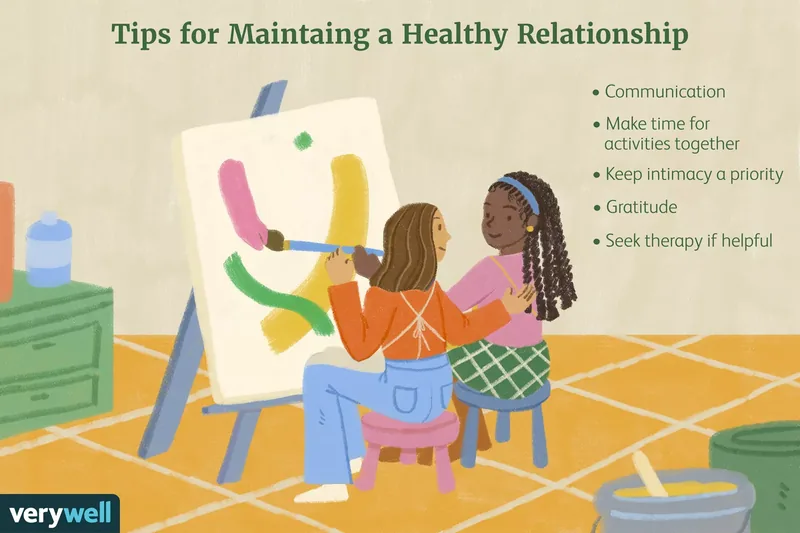
- Open Communication: Instead of seeking solace or excitement online, turn towards your partner. Express your feelings, needs, and concerns openly and honestly. This is a chance to rebuild the communication channels that may have eroded.
- Addressing Underlying Issues: Dig deeper. Was it poor communication, a lack of trust, or unfulfilled emotional needs that contributed to the infidelity? Sometimes, individual struggles like anxiety, depression, or low self-esteem also play a significant role and need to be addressed.
- Seeking Professional Help: Navigating the aftermath of infidelity is incredibly challenging. Couples counseling can provide a safe space to process emotions, improve communication, and rebuild trust. If compulsive sexual behavior was a factor, individual therapy can offer strategies for managing it.
It's a difficult truth, but healing from online infidelity is possible. It demands immense effort, unwavering commitment from both sides, and often, the guidance of a professional. Accepting responsibility, committing to change, and improving communication are the bedrock upon which a stronger, more honest relationship can be rebuilt.