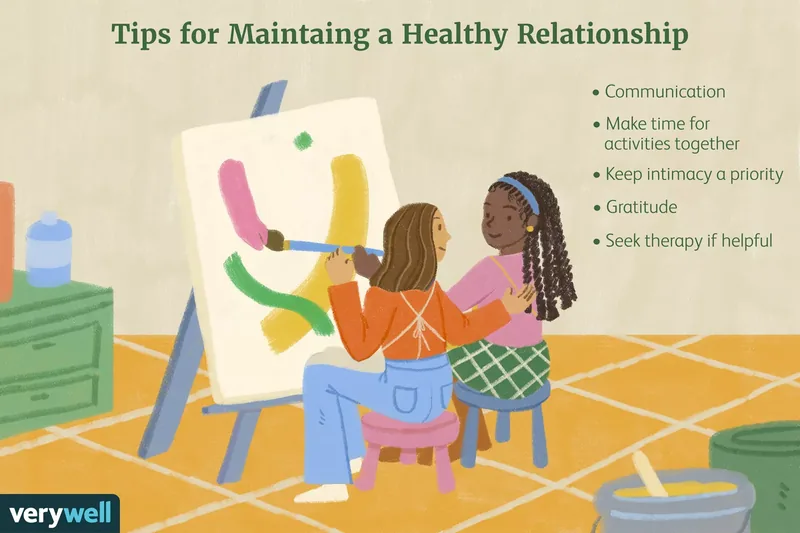
Our connections with others are fundamental to our well-being. But how can you truly know if your relationships are healthy? Here’s a comprehensive guide to help you assess and cultivate thriving bonds in your life. Healthy relationships are characterized by mutual trust, open communication, genuine respect, and consistent affection, allowing both individuals to flourish while maintaining their unique identities. These foundational elements are crucial for mental and physical health, contributing to a longer, more fulfilling life (Harvard, 2024). This article will explore the core pillars of healthy interactions, identify potential red flags, and provide actionable strategies for nurturing stronger, more resilient connections in the year 2025 and beyond.
1. Understanding Healthy Relationships: The Core Pillars
The bedrock of any fulfilling human connection, be it romantic, familial, or platonic, rests upon several indispensable pillars. These aren’t just abstract concepts; they are daily practices and underlying attitudes that define the quality and sustainability of your interactions. Understanding what makes relationships healthy? Here’s a breakdown of the core components that foster genuine connection and mutual growth. At its heart, a healthy relationship enables you to be your authentic self, celebrating individuality while fostering deep interdependence.
Firstly, a sense of trust is paramount. This isn’t just about believing someone won’t betray you; it’s about having faith in their intentions, reliability, and commitment. When trust is present, you feel secure enough to be vulnerable, knowing your partner has your best interests at heart. Secondly, openness and clear communication are vital. This means being able to express your thoughts, feelings, hopes, and fears without judgment, and actively listening when your partner does the same. It’s a two-way street where both parties feel heard and understood.
Thirdly, mutual respect forms the ethical framework of the relationship. This involves valuing each other’s opinions, boundaries, and personal space, even when they differ from your own. It means building each other up, not tearing each other down, and supporting individual pursuits. Fourthly, affection and fondness provide the emotional warmth. While the intensity of initial passion may evolve, a deep, compassionate love and consistent expressions of care are crucial for intimacy and bonding. This can manifest in various ways, from physical touch to thoughtful gestures.
Finally, fairness and equality ensure a balanced dynamic. This isn’t about keeping a strict score, but rather ensuring that both partners feel their needs are met, their contributions are valued, and there’s a reciprocal give-and-take. No relationship is perfect, and each will have its unique blend of these characteristics, but a strong foundation built on these pillars significantly contributes to overall well-being and longevity (Harvard, 2024). Regularly assessing these areas can provide valuable insights into the health of your connections.
2. Key Characteristics of Thriving Connections
For relationships healthy? Here’s a closer look at the defining characteristics that differentiate flourishing connections from those that struggle. These elements are not static; they require ongoing effort and adaptation from everyone involved. Cultivating these traits actively contributes to deeper intimacy, resilience, and mutual satisfaction, laying the groundwork for enduring bonds in an increasingly interconnected world.
Trust: This is the invisible glue holding relationships together. It’s built through consistent reliability, honesty, and demonstrating that you will be there for the other person, especially during challenging times. Research suggests that early life experiences and attachment styles significantly influence our capacity for trust in adult relationships. When you feel you need to conceal aspects of yourself or your life, it often signals a deficiency in this fundamental trust, creating distance and insecurity. Conversely, a strong sense of trust fosters comfort and security, allowing both individuals to truly relax and be themselves.
Openness and Self-Disclosure: Healthy relationships are spaces where you feel safe enough to reveal your authentic self. While the degree of sharing varies between individuals and couples, the comfort in knowing you can share your thoughts, beliefs, interests, and memories is crucial. Initially, people might be more guarded, but as intimacy grows, so does the willingness to disclose more personal details. This reciprocal sharing deepens connection and reinforces trust, as observed in studies on communication patterns. This doesn’t necessitate sharing every single detail; respecting individual privacy and personal space boundaries remains vital.
Healthy Boundaries: Boundaries are essential for maintaining individuality and respect within a relationship. They are agreements, often unspoken but sometimes explicit, about what is acceptable and unacceptable behavior. Healthy boundaries ensure that each person’s needs and expectations are acknowledged and honored. Examples include respecting personal time, not scrutinizing private communications like phones, or allowing space for friendships outside the relationship. In contrast, a lack of boundaries can lead to codependency or controlling behaviors, such as demanding constant updates on your whereabouts or restricting your social circle. These personal lines are unique to every individual and couple, and their establishment strengthens mutual respect.
Mutual Respect: In close and healthy relationships, respect is consistently demonstrated through actions and words. This means actively listening, valuing opinions, and refraining from demeaning or belittling the other person. Respect also involves supporting each other’s aspirations and passions, celebrating successes, and offering understanding during failures. For example, taking an interest in your partner’s hobbies, allowing them space for personal growth, and expressing gratitude for their efforts are all signs of profound respect. It’s about building each other up and creating an environment where both individuals feel valued and secure.
Love and Affection: While initial passionate love may evolve, healthy relationships sustain a deep, compassionate love characterized by affection, trust, intimacy, and commitment. The expression of this love is diverse and highly personal. What matters most is that both partners are content with the level of physical and emotional affection they share. This can include regular expressions of care, thoughtful gestures, and physical intimacy that meets both individuals’ needs. A nurturing partnership consistently finds ways to convey genuine love and affection, ensuring emotional closeness and warmth are sustained over time.
Good Communication: The ability to communicate effectively is a hallmark of enduring relationships. This doesn’t imply an absence of conflict, but rather the capacity to navigate disagreements constructively and respectfully. When conflicts arise, individuals in healthy relationships avoid personal attacks, focus on the issue at hand, and work collaboratively towards a resolution. Research highlights that conflict, when handled with empathy and respect, can even serve as an opportunity to strengthen a connection by addressing underlying issues and fostering positive change. Effective communication ensures both partners feel heard, understood, and capable of working through life’s inevitable challenges together.
Give-and-Take: Strong relationships are marked by a natural reciprocity where individuals genuinely want to contribute to each other’s well-being. This isn’t about keeping a meticulous score or feeling indebted, but rather a spontaneous desire to support and care for one another. While the balance of give-and-take might not always be perfectly equal – one partner might need more support during a crisis, or one might naturally prefer a caregiver role – the key is that both individuals are comfortable with the dynamic and feel their essential needs are consistently met. This mutual generosity fosters a sense of partnership and shared responsibility.
3. Recognizing the Red Flags: Signs of Unhealthy Dynamics
Even the strongest connections can face periods of strain, but persistent patterns of unhealthy behaviors can erode a relationship’s foundation. If you’re wondering, are your relationships healthy? Here’s what to watch out for. An unhealthy dynamic arises when negative interactions consistently outweigh positive ones, or when certain behaviors cause harm, distress, or diminish one or both individuals. Recognizing these red flags early is crucial for self-preservation and for determining if the relationship can be salvaged or if it’s time to move on.
One significant red flag is attempts to control your behavior. This might manifest as dictating who you can see, what you can wear, or how you spend your time. It strips away your autonomy and indicates a lack of trust and respect. Another warning sign is avoiding one another or consistently choosing to spend time apart rather than together, suggesting a fundamental disconnect or unresolved issues. Similarly, being afraid to share your opinions or thoughts for fear of judgment, criticism, or retaliation points to an environment lacking psychological safety and openness.
Being pressured to quit the things you enjoy or to change who you are fundamentally are clear indicators of an unhealthy dynamic. Your partner should encourage your growth and individuality, not suppress it. Constant criticism of your actions, appearance, friends, or life choices can severely damage self-esteem and create an atmosphere of walking on eggshells. When spending time together feels like an obligation rather than a joy, it suggests the emotional connection has significantly weakened.
Other concerning signs include a lack of fairness when settling conflicts, where one person always gets their way or avoids taking responsibility. A lack of privacy or feeling pressured to share every detail of your life, such as your phone or social media passwords, crosses essential boundaries. Neglecting your own needs to constantly put your partner first leads to resentment and emotional exhaustion, creating an unsustainable imbalance. Poor communication, characterized by stonewalling, yelling, or passive aggression, prevents effective problem-solving and deepens misunderstandings. Finally, unequal control over shared resources like money or transportation can be a form of financial abuse and power imbalance.
It’s important to distinguish between temporary stressors that can be addressed and persistent, harmful patterns. While some issues might be resolved with mutual effort, more serious concerns, particularly those involving abusive behaviors, necessitate prioritizing your safety and well-being above all else. If you or a loved one are experiencing domestic violence, please seek confidential assistance immediately.
4. Actionable Steps to Nurture Stronger Bonds
Identifying the strengths and weaknesses in your relationships is the first step; the next is actively working to cultivate healthier, more fulfilling connections. To ensure your relationships healthy? Here’s how to actively nurture them through consistent effort and intentional practices. Building stronger bonds isn’t a one-time fix but an ongoing journey that requires commitment from everyone involved. These actionable steps can help transform existing dynamics and foster deeper appreciation and connection.
First and foremost, commit to the work. Relationships, like gardens, require consistent tending. If only one person is investing effort into improvement, the relationship becomes one-sided, leading to resentment and emotional burnout. Both partners must be willing to engage in honest self-reflection, communicate openly about issues, and actively participate in finding solutions. This shared commitment creates a foundation of mutual investment, ensuring that both individuals feel valued and supported in the journey towards a stronger partnership.
Secondly, show appreciation regularly. Expressing gratitude for your partner and their contributions significantly enhances relationship satisfaction and personal well-being. Studies indicate that genuinely conveyed gratitude can profoundly improve relationship quality, acting as a protective factor even during times of stress. This isn’t about grand gestures every day, but consistent, heartfelt recognition. For example, you could take on a chore they usually do, write a simple thank-you note, cook their favorite meal, or plan an activity you know they’d enjoy. These small acts reinforce positive feelings and remind both partners of their value to each other.
Thirdly, keep things interesting and prioritize shared experiences. The routines of daily life, work, and family responsibilities can sometimes lead to complacency and boredom in relationships. To counteract this, actively seek ways to inject novelty and excitement. Schedule regular date nights, even if it’s just a cozy evening at home with a new recipe or a board game. Try new activities together, such as taking a dance class, exploring a new hiking trail, or starting a shared hobby. Surprise each other with thoughtful gestures, like a spontaneous “thinking of you” text or a small gift. Prioritize intimacy and create opportunities for connection, reminding each other of the joy and adventure you share. These efforts keep the spark alive and prevent the relationship from becoming stagnant.
5. Navigating Challenges and Seeking Professional Support
Even the healthiest relationships encounter obstacles. Life’s inevitable challenges – financial stress, parenting dilemmas, career changes, or personal growth – can introduce friction. While many couples navigate these “bumps in the road” independently, there are times when external, professional guidance can be incredibly beneficial. Recognizing when to seek help is a sign of strength, not weakness, and can prevent minor issues from escalating into major crises.
If you find yourselves repeatedly stuck on the same arguments, struggling to communicate effectively, or feeling a growing emotional distance, it might be time to consider professional support. A qualified counselor or therapist specializing in interpersonal and relationship issues can provide a neutral space for discussion and equip both partners with healthier communication and coping strategies. They can help uncover underlying issues, mediate conflicts, and guide you toward mutual understanding and resolution. For example, a therapist might teach active listening techniques, help identify unhelpful behavioral patterns, or facilitate conversations about sensitive topics that are difficult to approach alone.
It’s also crucial to understand that therapy isn’t solely for relationships in crisis. Many couples seek counseling proactively to strengthen their bond, improve communication, or navigate significant life transitions more smoothly. If one partner is hesitant to attend couples therapy, remember that you can always attend individual therapy to focus on your own needs, coping mechanisms, and personal growth within the relationship dynamic. This can still lead to positive changes, as one person’s growth often influences the relationship as a whole.
However, if the relationship involves serious issues such as abuse, infidelity, or persistent emotional harm, the primary focus should be on personal safety and well-being. In such cases, professional help can assist in creating safety plans, setting firm boundaries, and evaluating the long-term viability of the relationship. It’s a critical step to remember that you cannot force someone else to change; if a partner is unwilling to address harmful behaviors, prioritizing your own health and considering ending the relationship may be the healthiest path forward. Building a strong social support system outside the relationship is also vital during challenging times, providing additional emotional resilience and perspective.