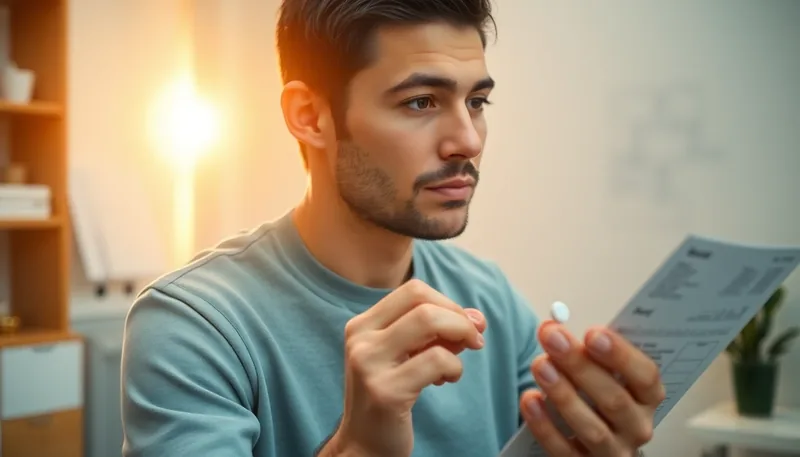
According to a 2023 meta-analysis published in Nature Reviews Neuroscience, placebo treatments produce clinically significant pain relief for 30-60% of participants--demonstrating that belief isn't just psychological, but physiological.
How does the placebo effect work? At its core, it's a genuine neurobiological response where the expectation of benefit triggers measurable changes in brain chemistry and bodily systems. This phenomenon occurs when an inactive substance or sham procedure produces real therapeutic outcomes because the recipient believes it will work. The mind-body connection becomes so powerful that sugar pills can reduce pain, saline injections can improve mobility, and sham surgeries can alleviate symptoms--all through expectation, conditioning, and neurochemical release.
The Science Behind Placebo Effects
The placebo effect represents one of medicine's most fascinating puzzles: how can nothing become something? Research reveals this isn't mere imagination but involves complex biological mechanisms that bridge psychology and physiology.
Neurochemical Mechanisms
When someone expects relief, their brain often delivers it chemically. Studies using functional MRI scans show that placebo responses activate the same neural pathways as actual medications. The brain releases endogenous opioids--natural painkillers like endorphins--and dopamine, creating real symptom relief (Harvard, 2024). This explains why placebo painkillers can reduce discomfort: the brain essentially manufactures its own analgesia.
Research demonstrates that these neurochemical changes aren't subtle. In some studies, placebo treatments have triggered dopamine release comparable to low doses of actual medications, particularly in brain regions associated with reward and pain modulation.
Conditioning and Expectation
Classical conditioning plays a significant role in how the placebo effect works. When a neutral stimulus (like a white pill) is repeatedly paired with active treatment, the stimulus alone eventually elicits the therapeutic response. This learned association explains why familiar-looking placebos often work better than unfamiliar ones.
Expectation amplifies this response through what researchers call "response expectancy." The more strongly someone believes a treatment will work--whether due to a doctor's confidence, the treatment's appearance, or their own optimism--the more robust their physiological response tends to be. This isn't just positive thinking; it's the brain translating expectation into biological reality.
Key Factors Influencing Placebo Responses
Not everyone responds equally to placebos. Several factors determine susceptibility, from genetic predispositions to environmental cues.
Genetic Predispositions
Emerging research suggests genetics influence placebo responsiveness. Individuals with certain dopamine-related gene variants show heightened placebo effects, particularly for pain and reward responses. These "placebo responders" may have brains wired for stronger expectation-reward connections (Stanford, 2023).
Similarly, variations in opioid receptor genes affect how strongly someone experiences placebo analgesia. This genetic component helps explain why placebo effects vary so dramatically between individuals--it's not just psychological but biological.
Contextual and Environmental Cues
The treatment context powerfully shapes outcomes. Consider these elements that enhance placebo responses:
- Treatment appearance: Expensive-looking pills, branded packaging, and sophisticated medical equipment increase perceived efficacy
- Provider behavior: A doctor's confidence, warmth, and thorough explanation enhance therapeutic outcomes
- Ritual and ceremony: The act of receiving treatment--whether swallowing a pill or receiving an injection--triggers physiological responses
- Social proof: Hearing about others' positive experiences with a treatment amplifies expectation
These factors demonstrate that how does the placebo effect work depends heavily on the entire therapeutic encounter, not just the inert substance itself.
Real-World Applications and Examples
Beyond clinical trials, placebo effects manifest in everyday health experiences and innovative therapeutic approaches.
Beyond Clinical Trials
Consider these original examples demonstrating placebo mechanisms in action:
Athletic Performance: Cyclists given caffeine-free coffee but told it contains caffeine show measurable performance improvements--faster times, increased power output, and reduced perceived exertion. Their expectation of enhanced performance creates actual physiological changes.
Sleep Quality: Participants given placebo "sleep aids" (actually vitamin C) but told they're receiving a powerful sedative fall asleep faster, sleep longer, and report better sleep quality. The belief in the treatment's efficacy alters sleep architecture measurable by EEG.
Immune Response: In controlled studies, individuals who believe they're receiving an immune-boosting supplement show increased natural killer cell activity and antibody production--even when receiving placebos. The mind directly influences immune function through expectation pathways.
The Nocebo Effect
The placebo's dark counterpart--the nocebo effect--demonstrates how negative expectations create real symptoms. When patients are warned about potential side effects, they're significantly more likely to experience those side effects, even when taking inert substances. This isn't imagination but involves the brain amplifying perceived threats into physical experiences through anxiety pathways and stress hormone release.
Placebos in Medical Research and Practice
Understanding how does the placebo effect work has transformed both drug development and therapeutic approaches.
Research Methodology
Placebo-controlled trials remain the gold standard in medical research because they isolate a treatment's specific effects from expectation and natural healing. The double-blind design--where neither researchers nor participants know who receives active treatment--eliminates bias and reveals a treatment's true efficacy.
However, this methodology faces ethical challenges when effective treatments exist. Modern approaches sometimes use "placebo run-in" periods or active placebos that mimic side effects without therapeutic action.
Therapeutic Applications
Some forward-thinking clinicians now incorporate placebo principles ethically:
- Open-label placebos: Patients knowingly take inert substances while understanding the mind-body mechanisms at work, still experiencing significant benefits for conditions like irritable bowel syndrome and chronic fatigue
- Enhanced ritual: Maximizing therapeutic context through longer appointments, detailed explanations, and positive framing to amplify treatment effects
- Conditioning protocols Pairing partial doses of medication with placebos to maintain benefits while reducing side effects and dependency risks
These approaches demonstrate that understanding how the placebo effect works can improve outcomes even with active treatments by harnessing expectation and conditioning.
Neurological and Psychological Mechanisms
The placebo effect represents a convergence of multiple brain systems working in concert.
Brain Regions Involved
Neuroimaging reveals that placebo responses activate specific networks:
- Prefrontal cortex: Processes expectations and beliefs about treatment
- Anterior cingulate cortex: Modulates pain perception and emotional responses
- Nucleus accumbens: Releases dopamine in anticipation of reward
- Periaqueductal gray: Triggers endogenous opioid release for pain relief
These regions don't work in isolation but form a "placebo network" that translates psychological expectation into physiological change. The strength of connections between these regions predicts placebo responsiveness.
Psychological Frameworks
Several psychological theories explain how does the placebo effect work:
Meaning Response: The treatment's symbolic meaning--its cultural significance, personal associations, and perceived potency--triggers healing responses. A pill from a trusted specialist carries more meaning than the same pill from a vending machine.
Self-Fulfilling Prophecy: Expectations create behavioral changes that produce expected outcomes. Expecting reduced pain might make someone move more freely, which actually reduces stiffness and discomfort.
Attention Redirection: Belief in treatment efficacy redirects attention away from symptoms, reducing their perceived intensity and emotional impact.
Ethical Considerations and Future Directions
As we better understand placebo mechanisms, important questions emerge about their ethical application in healthcare.
Transparency and Consent
The central ethical dilemma: can clinicians ethically harness placebo effects without deception? Open-label placebo studies suggest yes--when patients understand the mechanisms, they still benefit. This points toward a future where placebo principles enhance all treatments through honest communication about mind-body connections.
Current guidelines emphasize that placebo use is only ethical when:
- Patients give informed consent about the approach
- No effective standard treatment exists or is being withheld
- The potential benefits outweigh risks of delaying other treatments
- Deception is minimized or eliminated through transparent approaches
Personalized Placebo Responses
Future research may enable "placebo response profiling"--identifying which patients will respond strongly to expectation-based approaches based on genetics, personality traits, and brain connectivity patterns. This could personalize treatment plans to maximize both pharmacological and psychological components of healing.
Similarly, understanding individual nocebo susceptibility could help clinicians minimize negative side effects through careful communication and expectation management.
The growing understanding of how does the placebo effect work represents a paradigm shift in medicine--from viewing the mind as separate from the body to recognizing their profound interconnection. Rather than dismissing placebo responses as "just imagination," modern science reveals them as genuine therapeutic mechanisms we're only beginning to harness ethically and effectively.