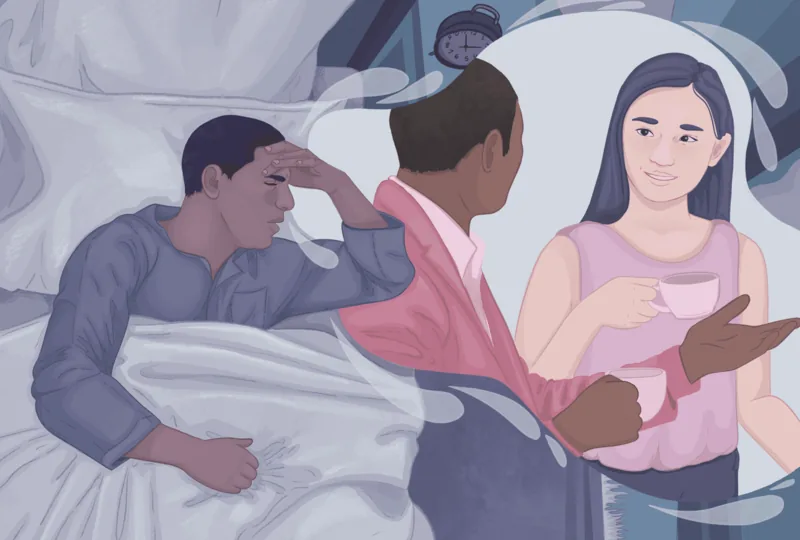
If you've ever wondered about the true depth of human motivation, beyond just basic urges, you're tapping into a concept central to psychological understanding: libido. While often associated solely with sexual desire, the term 'libido' holds a much broader and more profound meaning within the field of psychology. Understanding how the field of psychology defines libido illuminates not only our primal drives but also the complex interplay of forces that shape our personality and everyday actions. This foundational understanding showcases how the field of psychology initially approached the complex drivers of human existence.
In the field of psychology, particularly within Freudian psychoanalytic theory, libido is understood as the psychic energy that drives all human behavior, encompassing not only sexual instincts but also survival instincts and the motivation for various life pursuits. It is the fundamental force powering the human psyche, influencing everything from creative endeavors to daily tasks. This comprehensive guide will delve into its origins, evolution, and practical implications for your well-being, exploring its nuanced interpretations from classical psychoanalysis to modern perspectives on sexual health.
The Broader Definition of Libido in Psychology
In its most encompassing psychological context, particularly within the framework laid by Sigmund Freud, libido is defined as the psychic energy generated by our fundamental survival and sexual instincts. This energy is not solely confined to sexual urges; rather, it serves as the underlying force for all human behavior and motivation. While contemporary usage often narrows 'libido' to mean sexual appetite, its psychoanalytic roots reveal a much broader scope. This foundational understanding showcases how the field of psychology initially approached the complex drivers of human existence.
To Freud, this psychic energy was intrinsic to the 'id,' the primitive and instinctual component of personality. It drives everything from the basic need for sustenance to complex creative endeavors. For instance, the motivation to pursue a challenging career, the drive to master a new skill like playing a musical instrument, or even the dedication required to build a charitable organization--all, according to Freud, could be traced back to this fundamental libidinal energy (Rosario-Perez & Munday, 2020). It is the very fuel for our ambitions, our curiosity, and our will to live and thrive.
Libido's Roots in Freudian Psychoanalytic Theory
Sigmund Freud's psychoanalytic theories are foundational to understanding the original psychological definition of libido. He posited that the id, the most primitive and entirely unconscious part of our personality, is the primary reservoir for this powerful, primal energy. The id operates entirely on the pleasure principle, relentlessly demanding immediate gratification of all desires and impulses without regard for external realities or consequences.
This "inner wild child" is unfiltered by social norms or logical reasoning, seeking only to maximize pleasure and avoid pain at all costs. Since the id is largely unconscious, many of these powerful urges operate outside our conscious awareness, yet profoundly influence our feelings and actions (Boag, 2014). It represents our most basic, instinctual drives for survival and reproduction.
The Id: Reservoir of Primal Energy
Freud believed the id was the only personality component present at birth, a chaotic and unorganized part of the personality. It acts as a deep well of unconscious, instinctual energy, constantly striving for immediate satisfaction of biological and instinctual needs. If the id were unchecked, individuals would simply take what they desired, whenever they desired it, regardless of the situation or potential repercussions, leading to a state of perpetual chaos. This raw, unfiltered drive is purely focused on instinctual fulfillment, operating purely on impulse.
The Ego: The Reality Principle's Influence
What prevents us from acting purely on these basic, often inappropriate, instincts and impulses? The ego steps in as the rational, reality-oriented part of the personality. It's responsible for channeling the id's powerful libidinal energy into acceptable and realistic expressions. Governed by the reality principle, the ego helps individuals achieve their goals in socially appropriate and pragmatic ways, balancing desires with societal expectations and practical constraints (Rosario-Perez & Munday, 2020).
For example, while the id might impulsively urge you to grab a tempting pastry from a bakery display and eat it immediately, the ego intervenes. It directs you to the socially acceptable actions of purchasing the pastry, waiting until you've paid, and then enjoying it in an appropriate setting. This demonstrates how the field of psychology conceptualizes our internal regulatory systems that allow us to navigate the complex social world effectively.
The Superego: Morals and Ideals
Further complicating this internal dynamic is the superego, which develops later in childhood and represents the internalized ideals and moral standards absorbed from parents, societal norms, and authority figures (Patrick & Diamond, 2017). The superego strives for perfection, judging our actions and intentions, leading to feelings of pride or guilt. Consequently, the ego constantly mediates between the impulsive demands of the id's libido, the constraints of external reality, and the idealistic, often restrictive, standards imposed by the superego. This intricate balance is crucial for a well-adjusted personality and for navigating ethical dilemmas.
Psychosexual Stages and Fixation
Freud also proposed that the expression of libidinal energy evolves through a series of distinct psychosexual stages during childhood, each characterized by a focus on a specific erogenous zone (Mistry et al., 2024). Successful navigation through these stages, where conflicts are resolved and needs are met appropriately, leads to healthy adult development and the ability to form mature relationships. However, if conflicts arise or needs are excessively indulged or frustrated, a person's libidinal energy might become 'fixed' at an earlier stage.
This fixation means a significant portion of the libido's energy remains tied to that developmental phase, potentially manifesting in specific adult behaviors, personality traits, or psychological difficulties (Tsuman, 2017). For instance, in the oral stage (birth to 1 year), the libido centers on the mouth, and activities like sucking and feeding are paramount. An oral fixation in adulthood might lead to habits like excessive nail-biting, persistent gum chewing, overeating, or a persistent need for oral stimulation through constant snacking, reflecting an unresolved desire from this early stage.
The Limited Nature of Libidinal Energy
A key Freudian concept is that each individual possesses a finite amount of libidinal energy, often referred to as psychic energy. This limited resource means that various mental processes must compete for its allocation. Freud suggested that intense psychological efforts, such as repression--the unconscious act of keeping distressing memories, thoughts, or desires out of conscious awareness--can consume a substantial amount of this precious psychic energy.
When too much energy is diverted to maintaining such defense mechanisms, it can deplete the mind's overall capacity to function optimally, impacting cognitive processes, emotional regulation, and even physical well-being. This illustrates how the field of psychology, particularly psychoanalysis, views the economy of mental resources and the potential costs of unresolved internal conflicts.
Libido's Role in Psychoanalysis
The core objective of psychoanalysis, as conceived by Freud, was to bring these unconscious libidinal urges and their associated conflicts into conscious awareness. By understanding and confronting these deeper, often hidden, drives and their historical roots, individuals could address them more directly and resolve longstanding psychological issues. This process aims to reduce their reliance on less adaptive ego defense mechanisms, thereby freeing up psychic energy for more constructive and conscious pursuits, promoting greater self-awareness and personal growth.
The Modern Understanding: Libido and Sexual Desire
Beyond its complex Freudian origins, the term 'libido' in contemporary discourse is predominantly used to describe a person's sex drive or sexual desire. This modern interpretation acknowledges that libido encompasses more than just biological urges; it integrates psychological and social factors that collectively influence sexual activity and satisfaction (Dosch et al., 2016). While Freud's initial concepts of libido were broad, his later elaborations did increasingly focus on its sexual components, laying the groundwork for its modern, more specific usage.
This evolution in understanding reflects how the field of psychology adapts its terminology to scientific advancements and societal changes, moving from a purely theoretical construct to one that incorporates neurobiology, social dynamics, and individual experiences. However, it's crucial to remember that its psychological foundation remains rooted in a broader life instinct that includes survival and general motivation, not just procreative or pleasure-seeking sexual drives, even as its popular usage narrows.
Key Factors Influencing Sexual Libido
A person's sexual libido is a dynamic aspect of their overall well-being, subject to a wide array of interconnected influences. Understanding these factors is crucial for both individuals and healthcare professionals in addressing concerns about sexual desire and promoting holistic health. Here's a breakdown of the primary categories that can impact libido:
- Medical and Health Conditions: A range of physical ailments, chronic illnesses, persistent fatigue, and various medications can significantly diminish sexual desire. Specific conditions such as hypoactive sexual drive disorder (HSDD), characterized by a persistent lack of sexual fantasies and desire for sexual activity, or female sexual arousal disorder, directly impact libidinal drive. Even common health issues like thyroid imbalances or anemia can temporarily lower interest in sexual activity, highlighting the body's intricate connection to sexual function.
- Psychological Factors: Mental and emotional states play a profound and often underestimated role. High levels of chronic stress, anxiety disorders, depression, underlying personality traits, age-related changes, dynamics within a relationship, lifestyle choices, and past traumatic experiences (such as sexual abuse or assault) can all significantly influence libido. Issues like poor body image, low self-esteem, or unresolved emotional conflicts are also frequently linked to reduced sexual desire, creating a complex web of psychological inhibitors (Dosch et al., 2016).
- Sex Hormones: Biologically, hormones such as testosterone and estrogen are fundamental regulators of sexual desire in both men and women. These hormones create the physiological urge for sex, influence arousal, and are central to maintaining a healthy libido. Fluctuations in these levels, often due to natural aging processes, pregnancy, menopause, or specific medical conditions, can have a noticeable impact on a person's sex drive. Hormonal imbalances can manifest as a significant decrease or, less commonly, an increase in libido.
- Social and Relationship Issues: The quality of one's relationships and social connections can profoundly affect libido. Feelings of loneliness, a lack of emotional intimacy with a partner, unresolved conflicts, poor communication, or general relationship dissatisfaction can dampen sexual interest. Conversely, a strong, communicative, and supportive relationship, characterized by mutual respect and affection, often correlates with a healthier, more robust sex drive and greater sexual satisfaction.
If you find that low libido is causing significant distress, impacting your quality of life, or affecting your relationships, it is highly advisable to consult a healthcare professional. They can help identify any underlying medical conditions, psychological factors, or lifestyle issues and recommend appropriate interventions or specialist referrals.
Strategies to Enhance Your Libido
Experiencing fluctuations in libido is a common human experience, influenced by countless internal and external factors. Research indicates that a notable percentage of both men (around 8%) and women (nearly 10%) report experiencing low sexual desire that can cause distress (Ertl et al., 2024). If you suspect your libido is low--evidenced by minimal interest in sex, infrequent sexual fantasies, or difficulty finding pleasure in sexual activity--there are several proactive steps you can explore to potentially boost your desire and improve your overall sexual well-being.
Consulting a Healthcare Professional
Hormonal changes, often linked to certain birth control methods, can sometimes lead to decreased libido (American Academy of Family Physicians, n.d.). Discussing your contraceptive options with your doctor can be beneficial, as switching methods or medications might help alleviate this side effect. Additionally, various other medications, including certain antidepressants, antihistamines, and blood pressure drugs, are known to affect sex drive. A comprehensive review of all your current prescriptions with your physician is a wise first step to identify any pharmaceutical culprits and explore alternatives or dosage adjustments.
Managing Stress Effectively
Chronic or excessive stress is a well-documented inhibitor of libido, as it can elevate cortisol levels and disrupt hormonal balance (Mües et al., 2025). Finding effective strategies to relax and cope with daily stressors can significantly improve both sexual desire and intimacy. Techniques such as mindfulness meditation, deep breathing exercises, yoga, spending time in nature, or engaging in enjoyable hobbies can reduce stress hormones and foster a more receptive, relaxed mindset conducive to sexual activity. Prioritizing mental well-being is paramount for a healthy libido.
Embracing Regular Physical Activity
Regular exercise offers a multitude of physical and psychological benefits, including a significant positive impact on sex drive. It is considered one of the most effective natural ways to boost sexual libido. Physical activity enhances blood circulation throughout the body, which is vital for both sexual arousal and performance in both men and women. Furthermore, exercise helps regulate hormones, reduces stress, elevates mood through endorphin release, and improves self-confidence and body image, all contributing to enhanced sexual wellness (Almuqahwi et al., 2023). Aim for a balanced routine that includes cardiovascular exercise and strength training.
Prioritizing Quality Sleep
Inadequate or poor-quality sleep can severely undermine both mental well-being and sexual interest. Difficulties with sleep are consistently associated with a decreased libido, emphasizing the critical importance of securing sufficient, restorative rest each night. Sleep deprivation can disrupt hormone production, increase fatigue, and elevate stress levels, all of which negatively impact sex drive. Establishing good sleep hygiene, such as maintaining a consistent sleep schedule, creating a conducive sleep environment, and avoiding screens before bed, can make a significant difference. If sleep problems persist, consulting a doctor is recommended to rule out underlying sleep disorders like sleep apnea.
Adopting a Nutrient-Rich Diet
A balanced and nutrient-rich diet plays a vital role in overall health, including sexual function. Certain foods, often referred to as aphrodisiacs, are believed to enhance sex drive. Incorporating foods rich in zinc, such as red meat, oysters, nuts, and legumes, may be beneficial for hormone production. Foods that promote healthy circulation, like whole grains, fresh fruits, and vegetables (especially those rich in antioxidants and nitrates), can also positively impact sexual desire and performance. Conversely, it's prudent to limit foods high in saturated fat, excessive sodium, and refined sugar, which can negatively affect cardiovascular health, energy levels, and, by extension, libido.