Sarah traced the condensation ring on her glass, the silence in the room amplifying the unspoken distance growing between her and Mark. It had been weeks since they’d last shared an intimate moment, and the quiet guilt was a heavy blanket. She loved Mark deeply, but the spark, the desire, seemed to have faded into a dull ache. “Help! My low libido is ruining our relationship,” she whispered to herself, the words a desperate plea.
This isn't an uncommon scenario. For many women, a dip in sex drive can feel isolating and deeply concerning, impacting not just personal well-being but the very fabric of a relationship. If you find yourself asking, "Help! My low libido is affecting my partner and me," know you're not alone, and there are paths toward understanding and rekindling that vital connection.
Understanding the Nuances of Desire
Libido, or sex drive, isn't a constant dial; it fluctuates naturally throughout life. However, when a persistent lack of sexual interest causes distress or strain, it’s often referred to as hypoactive sexual desire disorder (HSDD). It's characterized by a persistent deficiency in sexual thoughts, fantasies, or desire, coupled with a lack of response to sexual stimulation, leading to significant personal upset (Laumann et al., 1999). It's crucial to distinguish this from natural variations in desire or temporary lulls caused by life events.
For women, desire often stems from a complex interplay of emotional, physical, and psychological factors. Unlike the more physically driven desire often associated with men, female desire can be more spontaneous or responsive, meaning it might be ignited by connection, intimacy, or even a specific mood (Friedmann & Cwikel, 2021).
Signs You Might Be Experiencing Low Libido
The most apparent sign is simply a lack of interest in sex. This can manifest in several ways:
- A noticeable absence of sexual thoughts or fantasies.
- Feeling little to no urge to initiate sexual activity.
- Difficulty experiencing arousal or pleasure during sexual encounters.
- A general disinterest in sexual touch or intimacy.
Beyond these direct indicators, the distress these symptoms cause is a key component. If this lack of desire is causing you significant emotional turmoil or negatively impacting your relationships for six months or more, it warrants a closer look (Faubion & Rullo, 2015).
What's Driving Your Low Libido?
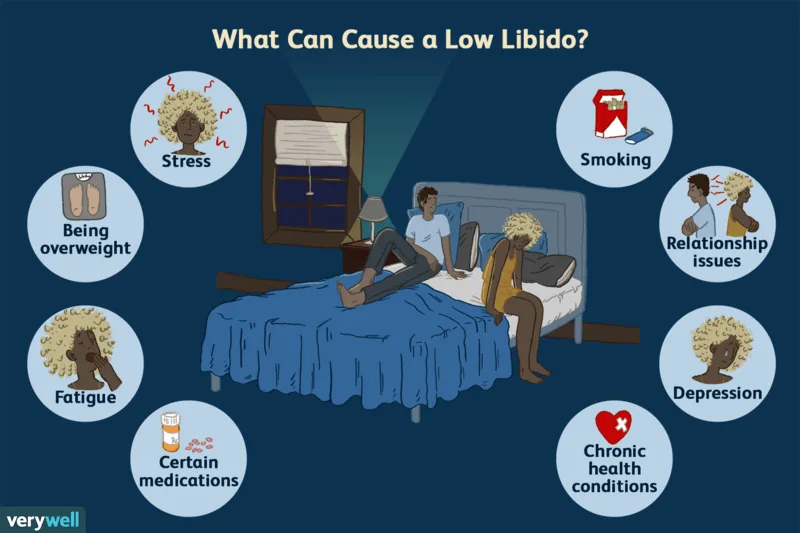
When you’re asking, "Help! My low libido is impacting my relationship," the first step is to explore the underlying causes. These are often multifaceted, weaving together physical, emotional, and relational threads.
Physical and Medical Contributors
Your body plays a significant role. Hormonal shifts are common culprits:
- Menopause and Perimenopause: Declining estrogen and testosterone levels can directly impact sex drive (Ganz & Greendale, 2007).
- Pregnancy and Breastfeeding: Fatigue, body image changes, and hormonal fluctuations during and after pregnancy can significantly lower libido (Gałązka et al., 2015).
- Chronic Illness: Conditions like diabetes, thyroid disorders, arthritis, or cardiovascular disease can drain energy and affect sexual function.
- Painful Sex: Conditions such as vulvodynia can make intercourse physically uncomfortable, leading to avoidance (Sadownik, 2014).
- Medications: Certain antidepressants, blood pressure medications, and hormonal contraceptives can have a dampening effect on libido. It's vital not to stop prescribed medication without consulting your doctor.
- Substance Use: Excessive alcohol or drug use can interfere with sexual response.
Psychological and Emotional Factors
Our minds are powerful drivers of desire:
- Stress and Anxiety: High levels of daily stress—from work, family, or finances—can consume mental energy, leaving little room for sexual thoughts. Your body's fight-or-flight response can also inhibit arousal.
- Depression: This mood disorder often significantly lowers libido, alongside other symptoms like fatigue and loss of interest in enjoyable activities.
- Past Trauma: Previous sexual trauma or negative sexual experiences can create deep-seated emotional barriers to intimacy.
- Body Image Concerns: Feeling self-conscious about your body can make you less inclined to be vulnerable and sexual.
Relationship Dynamics
The connection you share with your partner is paramount:
- Lack of Emotional Intimacy: Feeling disconnected, unheard, or unappreciated can erode sexual desire.
- Unresolved Conflicts: Lingering resentment, frequent arguments, or a sense of unfairness can create emotional distance that kills the mood.
- Communication Breakdowns: Difficulty discussing needs, desires, or concerns openly makes it hard to foster a satisfying sexual connection.
- Infidelity or Trust Issues: Betrayal can shatter intimacy and make sexual connection feel unsafe.
- Routine and Boredom: When sex becomes predictable or feels like a chore, desire can wane.
Consider Sarah and Mark. Sarah’s low libido stemmed from feeling overwhelmed by work stress and a nagging resentment over household chores Mark rarely helped with. She felt more like a roommate than a partner, and that emotional distance translated directly into a lack of desire.
Reigniting Desire: Treatment and Lifestyle Strategies
Addressing low libido is a journey, not a quick fix. The most effective approach often involves a combination of strategies tailored to the individual's unique circumstances.
Therapeutic Approaches
Talking it through can be incredibly powerful:
- Individual Therapy: A therapist can help you explore underlying psychological issues like stress, anxiety, depression, or past trauma that may be impacting your desire.
- Couples Counseling: This is invaluable for addressing relationship dynamics. A therapist can facilitate open communication, help resolve conflicts, and guide you and your partner in rebuilding emotional and physical intimacy (Nappi et al., 2014). For example, a couple might learn to schedule 'connection time'—not necessarily for sex, but for talking, cuddling, or sharing experiences—to rebuild their bond.
- Sex Therapy: A specialized therapist can offer practical tools and techniques to enhance sexual pleasure and communication.
Lifestyle Adjustments
Small changes can make a big difference:
- Prioritize Sleep: Chronic fatigue is a libido killer. Aim for 7-9 hours of quality sleep per night.
- Manage Stress: Incorporate stress-reducing activities like mindfulness, meditation, yoga, or deep breathing exercises. Even 10 minutes a day can help.
- Regular Exercise: Physical activity boosts mood, energy levels, and circulation, all of which can positively influence sex drive.
- Nourish Your Body: A balanced diet supports overall health, including hormonal balance.
- Mindful Intimacy: Schedule dedicated time for intimacy—this might involve non-sexual touch like massages, extended foreplay, or simply focused conversation, creating a space for desire to grow.
- Explore with Your Partner: Try new things together, whether it's reading erotic literature, using a new lubricant, or exploring toys. Openly discussing fantasies can also be exciting.
Medical and Pharmacological Interventions
When other avenues aren't enough, medical options can be considered:
- Hormone Therapy: For postmenopausal women experiencing low estrogen, vaginal estrogen creams, rings, or tablets can help alleviate dryness and discomfort, indirectly supporting desire.
- Prescription Medications: For diagnosed HSDD in premenopausal women, medications like Addyi (flibanserin) or Vyleesi (bremelanotide) are FDA-approved options that work on brain chemistry to increase desire (English et al., 2017; U.S. FDA, 2019). These come with potential side effects and require careful medical supervision.
- Testosterone Therapy: In some cases, low-dose testosterone therapy might be considered, particularly if low testosterone is confirmed by blood tests.
- Clitoral Stimulation Devices: Devices like the Eros-CTD use vacuum therapy to improve blood flow to the clitoris, potentially enhancing arousal and orgasm (FDA, 2000).
It's important to remember that medical interventions are most effective when underlying psychological and relational issues are also being addressed. They are tools, not magic bullets.
Moving Forward With Compassion
Facing a low libido can feel vulnerable, but it can also be a powerful catalyst for deeper self-understanding and stronger relationships. The key is to approach the situation with gentleness, compassion, and open curiosity—both for yourself and your partner.
When you're asking, "Help! My low libido is a problem," remember that seeking solutions is an act of self-care and relationship care. By understanding the complex factors at play and exploring a range of strategies, you can navigate this challenge and work towards a more fulfilling intimate life.
For Sarah, the journey involved couples counseling and a renewed commitment to open communication. She and Mark started scheduling weekly 'date nights' at home, focusing on connection. Slowly, the resentment faded, replaced by understanding. And as their emotional bond strengthened, so did their physical intimacy. It wasn't an overnight fix, but a conscious, collaborative effort that rekindled their spark.