Imagine waking up feeling genuinely refreshed, your mind clear and ready to tackle the day. For many, the thought of quitting marijuana feels like a monumental task, fraught with anxiety and uncertainty. But what if you could navigate this transition with a clear plan and emerge stronger on the other side? Research suggests that while quitting can be tough, understanding the process and employing the right strategies dramatically increases your chances of success. This guide will walk you through how to quit smoking marijuana, step-by-step.
Understanding Marijuana Dependence
While often perceived as less harmful than other substances, marijuana can lead to dependence and even addiction for a significant portion of users. The National Institute on Drug Abuse (NIDA) estimates that around 30% of individuals who use marijuana develop what's known as Cannabis Use Disorder (Hasin DS, 2018). This dependence can manifest as an inability to cut back, experiencing withdrawal symptoms when you try to stop, and continuing use despite negative consequences on your health, relationships, or responsibilities.
The path to quitting marijuana isn't one-size-fits-all. Your journey will depend on your individual relationship with the substance. Some people find it easier to stop abruptly, while others benefit from a gradual reduction in use. The key is to choose an approach that feels manageable and sustainable for you.
Choosing Your Quitting Strategy
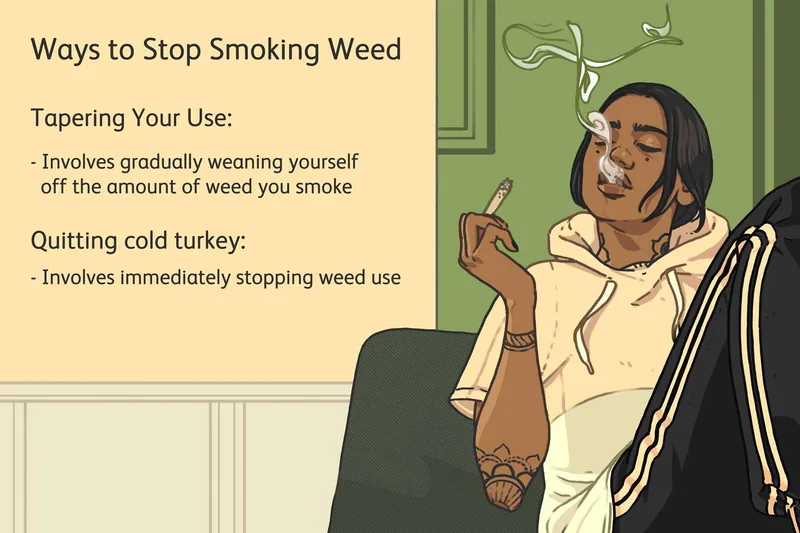
Deciding how you'll stop is the crucial first step. Two primary methods are commonly recommended: tapering your use or quitting cold turkey. Both require preparation, but they offer different routes to freedom from marijuana.
Tapering Your Use
Tapering involves gradually reducing how much marijuana you use over a set period. This approach allows your body and mind to adjust more slowly, often minimizing the intensity of withdrawal symptoms. It's like easing out of a pool rather than jumping out all at once.
If you opt for tapering, consider these steps:
- Set a Quit Date: Choose a specific date in the future when you aim to be completely smoke-free. This gives you a target and allows you to plan your reduction strategy.
- Develop a Tapering Plan: Decide how you'll cut back. You might aim to reduce your daily or weekly consumption by a specific amount. Alternatively, you could switch to lower-potency cannabis products over time. The American Society of Addiction Medicine (ASAM) often favors gradual reduction to ease withdrawal (Herron AJ, Brennan TK., 2015).
- Track Your Progress: Keep a log of your usage to stay accountable and see how far you've come.
Quitting Cold Turkey
This method means stopping marijuana use entirely and immediately. While it can be more challenging due to potentially more intense withdrawal symptoms, some individuals find it more effective. For those who struggle with moderation or doubt their ability to taper effectively, going cold turkey can offer a definitive break and a sense of a fresh start.
If you choose to quit cold turkey, be prepared for a more abrupt onset of withdrawal symptoms. This approach demands significant mental fortitude and a robust support system. It's crucial to have coping strategies in place from day one.
Preparing for Withdrawal Symptoms
Quitting marijuana often comes with withdrawal symptoms, and being prepared can make a significant difference in your ability to stick with your decision. Up to 90% of people dependent on marijuana experience some form of withdrawal (Bahji A, et al., 2020). Understanding what to expect is the first line of defense.
Common withdrawal symptoms can include:
- Anxiety and irritability
- Changes in appetite
- Cravings for marijuana
- Depression or low mood
- Difficulty sleeping (insomnia)
- Flu-like symptoms (fever, chills, sweating)
- Headaches
- Mood swings
- Sleep disturbances
These symptoms typically last one to two weeks, though some individuals may experience post-acute withdrawal syndrome (PAWS) for longer. Reminding yourself that these feelings are temporary and a sign your body is healing can be incredibly helpful. Think of them as hurdles, not roadblocks.
Understanding and Managing Your Triggers
Your environment and habits are often intertwined with your marijuana use. Identifying and managing your triggers is essential for successful quitting, whether you're tapering or going cold turkey. A trigger is anything--a person, place, feeling, or situation--that sparks a craving or the urge to use.
Clearing Your Space: The first step is to remove all marijuana-related paraphernalia. Get rid of pipes, bongs, vapes, and any remaining cannabis. Having these items readily available makes it far too easy to succumb to a craving. Imagine trying to eat healthy while a box of donuts sits on your kitchen counter--same principle.
Identifying Your Triggers: Reflect on when, where, and why you typically smoke. Are certain times of day more challenging? Do specific social situations or emotions lead you to reach for marijuana? Perhaps it's stress from work, boredom on weekends, or hanging out with certain friends. Be honest with yourself.
Developing Coping Mechanisms: Once you know your triggers, you can plan how to manage them:
- Avoidance: If a particular friend or location consistently triggers cravings, it might be necessary to limit contact or avoid those situations temporarily. This isn't forever, but it's a smart strategy during the initial quitting phase.
- Healthy Distractions: When a craving hits, have a plan ready. Call a supportive friend, go for a brisk walk, listen to uplifting music, or engage in a hobby you enjoy. For example, if you usually smoke in the evening, plan to start a new TV series or try a new recipe.
- Mindfulness and Relaxation: Techniques like deep breathing exercises, meditation, or progressive muscle relaxation can help calm your nervous system when urges arise.
Don't beat yourself up if you slip up. Relapse is common, and it doesn't erase your progress. View it as a learning opportunity to refine your strategy.
Tips for Staying on Track
Beyond managing withdrawal and triggers, several proactive strategies can bolster your efforts to quit smoking marijuana and build a healthier lifestyle.
Stay Busy and Distracted
Idle time can be your enemy when you're quitting. Filling your schedule with engaging activities can divert your attention from cravings and withdrawal symptoms. Consider taking up a new hobby, volunteering, or reconnecting with old friends who don't use marijuana. For instance, if you used to spend your evenings watching TV and smoking, try joining a local book club or a recreational sports league instead.
Incorporate Regular Exercise
Physical activity is a powerful tool for quitting. Exercise can serve as a natural mood booster, helping to combat feelings of depression or anxiety associated with withdrawal. It also provides a healthy outlet for stress and can reduce cravings. Studies have suggested that exercise can complement treatments for cannabis use disorder by helping to regulate stress and reward systems (Brezing CA, Levin FR., 2018). Aim for at least 150 minutes of moderate-intensity aerobic activity per week, such as brisk walking, cycling, or swimming (Centers for Disease Control and Prevention, 2023).
Prioritize Self-Care
Quitting is demanding, so treating yourself with kindness is paramount. Ensure you're getting adequate sleep, eating nutritious meals, and staying hydrated. Practice stress-management techniques like mindfulness or journaling. Creating a balanced routine that prioritizes your well-being sends a clear message to your brain that you are capable of managing life's challenges without marijuana.
Build a Strong Support System
You don't have to go through this alone. Lean on friends, family, or support groups. If some relationships are centered around marijuana use, it might be time to set boundaries or seek out new connections with supportive individuals. Openly communicating your goals to trusted loved ones can provide the encouragement and accountability you need.
Seeking Professional Help
While self-help strategies are valuable, professional support can significantly enhance your chances of successfully quitting marijuana. Don't hesitate to reach out to healthcare providers or therapists specializing in addiction.
Therapy Options:
- Cognitive Behavioral Therapy (CBT): This therapy helps you identify and change negative thought patterns and behaviors associated with marijuana use. It equips you with coping skills to manage triggers and cravings (Sabioni P, Le Foll B., 2018).
- Motivational Interviewing: This client-centered approach helps strengthen your internal motivation for change, making the decision to quit feel more empowering.
- Contingency Management: This involves using rewards to reinforce abstinence. For example, you might earn privileges or tangible rewards for maintaining sobriety, often verified through drug testing.
Medication: While there are no FDA-approved medications specifically for marijuana use disorder, certain medications may be prescribed to manage co-occurring conditions like anxiety or depression, or to help reduce cravings (Brezing CA, Levin FR., 2018). Your doctor can discuss these options.
If you or someone you know is struggling with substance use, resources like the Substance Abuse and Mental Health Services Administration (SAMHSA) National Helpline (1-800-662-4357) can provide confidential support and treatment referrals.
Taking the step to quit smoking marijuana is a significant act of self-care. By understanding your triggers, preparing for withdrawal, utilizing coping strategies, and seeking support, you can successfully navigate this journey and build a healthier, more fulfilling life.