As winter blankets your surroundings in pristine white, the task of clearing snow often looms large. While it offers an unexpected workout, improper technique can quickly turn this chore into a painful ordeal. Learning how to shovel snow effectively and safely is crucial to prevent back injuries, muscle strain, and even cardiovascular risk. By understanding your body's limits, preparing adequately, and employing smart techniques, you can tackle even the heaviest snowfall without post-shoveling soreness.
Prepare Your Body and Mind
Before you even step outside, acknowledge that snow shoveling is a physically demanding activity. It's not just a common chore; it's a significant workout that many bodies aren't regularly conditioned for. Just as you wouldn't attempt a marathon without training, approach shoveling with a realistic assessment of your physical readiness.
Physical Readiness is Key
To prepare your body for the demands of shoveling, consider incorporating core and back strengthening exercises into your routine. Activities like planks, bird-dog exercises, and controlled deadlifts (with proper form) can build the necessary strength in your back, core, and legs. Understanding how to shovel snow effectively begins with a body ready for the task. Even a general full-body fitness regimen will leave you far better prepared than doing nothing at all (Mayo Clinic, 2023).
Beyond muscle strength, assess your cardiovascular health. Shoveling can significantly elevate your heart rate, especially in cold temperatures. If you're unaccustomed to strenuous exercise, are older, or have a pre-existing heart condition, consult your doctor about the potential risks. The American Heart Association (2024) strongly advises caution, as heart attacks are more common during or after snow removal.
Time Your Shoveling Strategically
One of the most impactful strategies for safe snow removal is to shovel early and often. Don't wait for a foot of snow to accumulate. Instead, tackle smaller amounts as they fall.
It is significantly easier on your body to clear three inches of snow four times throughout the day than to confront a daunting twelve-inch accumulation all at once. This approach reduces the weight of each shovelful and minimizes overall strain. Think of it as managing the workload in manageable chunks.
If you miss the initial window and face deeper snow, you can still apply this principle by shoveling in layers. Take a thin slice off the top, then another deeper layer, and repeat. Each individual load will be lighter and more manageable, even if the total number of shovelfuls increases.
Master Your Technique for Back Health
The image of repetitive bending and lifting often defines shoveling, but there are smarter ways to move snow that minimize strain on your back. Adopting proper technique is paramount when learning how to shovel snow without injury.
Push, Don't Lift Whenever Possible
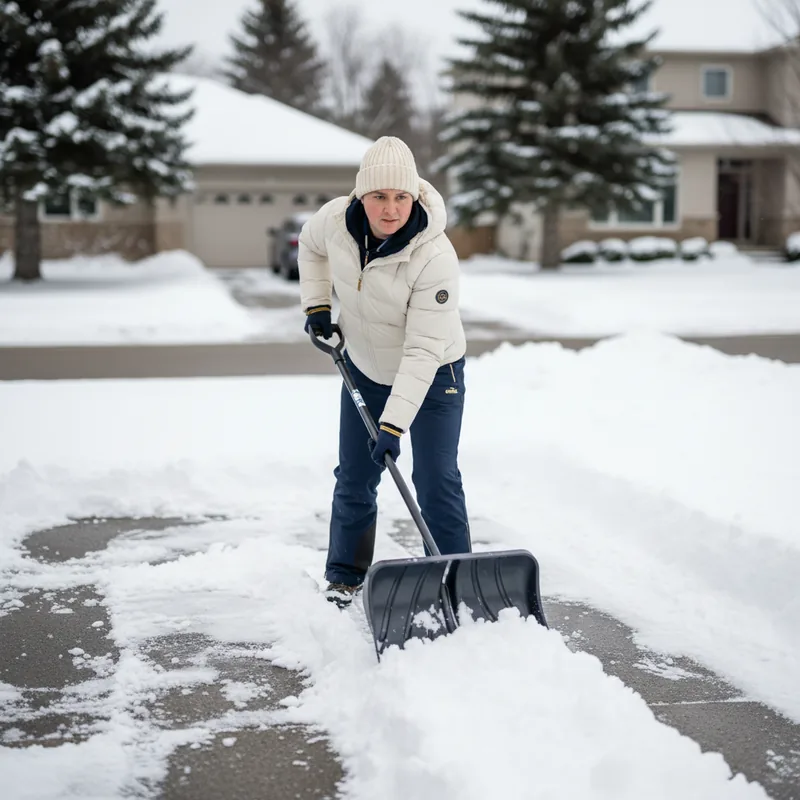
Consider your shovel not just as a lifting tool, but also as a snowplow. Pushing snow across your driveway is far less strenuous than repeatedly lifting and throwing it. Many specialized shovels are even designed for this pushing motion, making an upgrade a worthwhile investment for frequent snow clearers.
This pushing technique is most effective with lighter, thinner layers of snow, aligning perfectly with the advice to shovel early. However, even with deeper snow, you can still incorporate pushing. Create a pile by pushing snow, then slice off manageable layers from the pile rather than attempting to lift the entire mass.
The Straight Back Principle
The age-old advice to "lift with your legs, not your back" fundamentally means keeping your back straight and stable during the lift. A rounded back is highly vulnerable to injury, especially under load. If you feel your back starting to round, it's a clear signal to take a break or adjust your technique.
Ideally, you want to mimic a deadlift motion: hinge from your hips with a relatively straight back, engaging your glutes and hamstrings. While this does involve your lower back muscles, it's safe as long as they are strong enough to maintain a straight, stable torso. Remember to keep the shovel's load as close to your body as possible to reduce leverage on your spine (National Safety Council, 2023).
As fatigue sets in, maintaining a perfect hinge might become challenging. This is where the "lift with your legs" (squat) motion becomes more practical. Keep your back more upright, bend your knees deeply, and use your powerful leg muscles to drive the lift. Choking up on the shovel handle further minimizes the strain on your back.
Prioritize Self-Care and Recovery
Treat snow shoveling as the intense workout it is. Just like any exercise regimen, proper warm-up, strategic breaks, and mindful movement are essential to prevent injury and ensure a quicker recovery.
Warm Up, Take Breaks, and Stretch
Begin with a brief warm-up, such as a brisk walk or light stretching, for 5-10 minutes to prepare your muscles for activity. The first 10 to 15 minutes of shoveling will often feel the hardest; start with smaller, lighter shovelfuls during this period. Don't hesitate to take frequent breaks, even short ones, to allow your body to rest and recover. Hydration is also key, so keep water nearby.
To distribute the physical strain evenly, alternate your shoveling technique and body position. For instance, shovel half your driveway with the shovel on your right side, then switch to your left. This prevents overuse of specific muscle groups and reduces the risk of imbalances or localized fatigue. Consider wearing layers of clothing that can be removed as you warm up, preventing overheating while staying protected from the cold.
After you've finished, a gentle cool-down and stretching routine can help prevent muscle stiffness and promote recovery. Focus on stretches for your back, shoulders, and legs. Remember, mastering how to shovel snow safely is as much about smart technique as it is about listening to your body and prioritizing its well-being.
Shoveling snow doesn't have to be a dreaded chore that leaves you incapacitated. By adopting a proactive mindset, preparing your body, utilizing efficient techniques like pushing instead of lifting, and prioritizing self-care through warm-ups and breaks, you can confidently clear your driveway. These strategies are key to understanding how to shovel snow effectively and maintaining your health throughout the winter season. Stay safe, stay strong, and enjoy the beauty of winter without the pain.