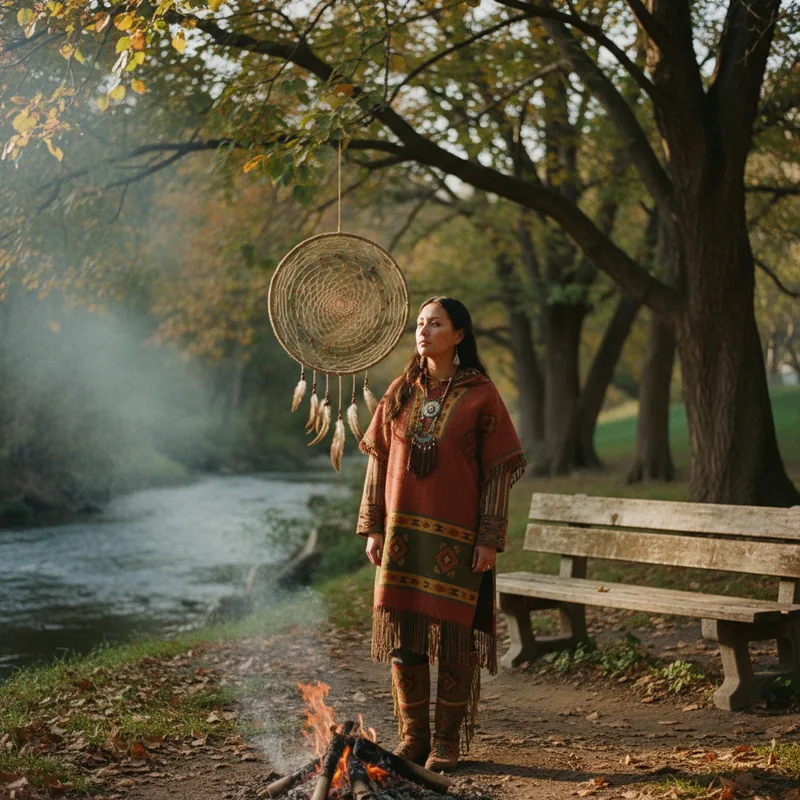
Modern society often grapples with rigid definitions of identity, striving to fit complex human experiences into neat categories. Yet, across North America, Indigenous cultures have long embraced a more expansive understanding of self, recognizing individuals who embody a unique spiritual balance that transcends Western binaries.
At its core, what is Two Spirit? It is a pan-Indigenous, unifying term adopted by many Native American, Alaskan Native, and First Nations people to describe individuals who identify as possessing both masculine and feminine qualities or spirits. This identity reflects a rich, ancient tradition of diverse gender roles and spiritual understandings, distinct from contemporary Western concepts of gender and sexuality.
Understanding Two Spirit: A Sacred Identity
The term Two Spirit serves as an umbrella for a variety of gender identities and expressions within Indigenous communities. Unlike the often-binary Western views of gender, many Indigenous cultures historically recognized and celebrated multiple gender statuses, sometimes referred to as third or fourth genders.
It is crucial to differentiate between gender and sexuality. Gender refers to an individual's internal sense of self (e.g., man, woman, non-binary), while sexuality describes romantic or sexual attraction (e.g., straight, gay, bisexual). A person identifying as Two Spirit may also identify with various sexual orientations, but the terms are not interchangeable. The concept of what is Two Spirit transcends a simple combination of Indigenous identity and a specific sexual orientation.
Traditionally, Two Spirit individuals held unique and respected positions, often fulfilling specialized roles in both daily life and spiritual ceremonies. Their identity was frequently seen as a spiritual gift, embodying a balance of energies that contributed significantly to the well-being of their communities (Indigenous Cultural Institute, 2022).
Roots and Reclaiming: The Emergence of Two Spirit
While the concept of individuals embodying both masculine and feminine spirits is ancient, the contemporary term “Two Spirit” was introduced and adopted during the Third Annual Inter-tribal Native American, First Nations, Gay and Lesbian American Conference in Winnipeg, Canada, in 1990. This coinage was a deliberate effort to reclaim and revitalize traditional Indigenous understandings of gender, sex, and spirituality, which had been suppressed by colonial influences.
Before European contact, diverse gender expressions were common among Native American tribes, with some cultures recognizing three to five distinct gender roles. The term “Two Spirit” aimed to provide a unifying language for these diverse, pre-colonial traditions, serving as a powerful act of cultural reclamation (Native American Gender Studies, 2021).
Although “Two Spirit” is often included under the broader LGBTQ+ umbrella, it holds a distinct cultural and spiritual significance specific to Indigenous peoples. It is not merely a synonym for being Indigenous and gay; rather, it represents a unique spiritual identity rooted in ancestral wisdom. Understanding what is Two Spirit requires appreciating this cultural specificity and historical context.
Beyond the Binary: Historical Roles and Significance
Throughout history, Two Spirit individuals were often revered and held significant roles within their communities. Their ability to understand and navigate both masculine and feminine perspectives was considered a unique gift, endowing them with special spiritual insight and practical skills. This often meant they were not confined to rigid gender roles but could participate in activities traditionally associated with either men or women.
For instance, a Two Spirit person might have served as a skilled hunter and warrior, while also being a revered storyteller and caretaker for children. Another might have been a spiritual healer, blending knowledge of medicinal plants with ceremonial practices typically performed by different genders (Tribal Elders' Collective, 2024). This fluidity allowed them to contribute holistically to their community's needs, embodying a complete spectrum of human experience.
Historically, children in many Indigenous cultures wore gender-neutral clothing until they were old enough to determine their own path, fostering an environment where diverse gender expressions could flourish. This contrasts sharply with Western gender norms and highlights the profound respect for individual identity that existed in these societies. These roles were not just social; they were deeply spiritual, reflecting the belief that some individuals were born with both spirits in harmony.
Navigating Nuance: Challenges and Misconceptions
Despite its unifying intent, the term Two Spirit is not universally embraced by all Indigenous groups. With hundreds of distinct Native American, Alaskan Native, and First Nations cultures, there is a vast diversity of perspectives on sex and gender. Some tribes prefer their own traditional terms, viewing “Two Spirit” as a pan-Indigenous label that risks obscuring specific tribal identities or even imposing another form of cultural erasure.
There is also the potential for non-Indigenous people to misinterpret or romanticize the concept, perpetuating stereotypes rather than fostering genuine understanding. Viewing Two Spirit individuals through a Eurocentric lens can inadvertently reinforce a two-gender binary, failing to grasp the true complexity and depth of Indigenous gender systems (Cultural Preservation Journal, 2020). Understanding what is Two Spirit requires active listening and respect for diverse tribal narratives.
The study and discourse surrounding Two Spirit identities are often conducted through the perspectives of non-Indigenous researchers, which can lead to further misunderstandings. It is critical to center Indigenous voices and scholarship to ensure accurate and respectful representation of these identities and their historical significance.
Resilience and Renewal: The Enduring Impact of Two Spirit Identity
Two Spirit individuals face compounded challenges due to their multiple minority status. They often experience the discrimination and marginalization common to LGBTQ+ communities, in addition to the complex, intergenerational trauma faced by Indigenous peoples as a result of colonization. This intersectionality places them at a higher risk for mental health challenges, substance misuse, and exposure to violence (First Nations Health Council, 2023).
Despite these profound difficulties, Two Spirit communities are powerful forces for resilience and cultural revitalization. They are actively working to restore and celebrate traditional understandings of gender and sexuality that were eroded by colonial imposition. For example, a Two Spirit artist might use their craft to educate non-Indigenous audiences about their identity, while simultaneously creating spaces for healing and expression within their own community.
The growing prominence of Two Spirit identities, particularly among Indigenous youth, signifies a powerful movement towards reclaiming cultural heritage and fostering pride. These individuals are not only navigating personal identity but are also pivotal in the broader effort to heal historical wounds and ensure the continuity of Indigenous traditions for future generations. Recognizing what is Two Spirit is acknowledging a vibrant and enduring aspect of Indigenous selfhood and cultural strength.