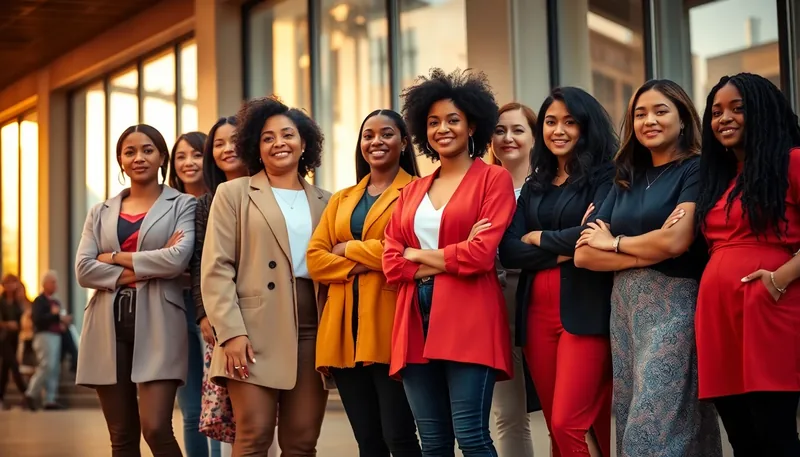
In an era that celebrates sexual liberation and body positivity, we simultaneously witness a persistent cultural reflex to police and punish sexual expression. This paradox lies at the heart of slut-shaming--a social phenomenon that continues to harm individuals while revealing deep-seated societal contradictions about gender, sexuality, and autonomy.
So what is slut-shaming? At its core, it's the act of condemning someone for behavior perceived as sexually inappropriate or excessive. This judgment can target actual sexual behavior, clothing choices, makeup, or even mannerisms, and while anyone can experience it, women, LGBTQ+ individuals, and gender-expansive people face it most frequently. The consequences extend far beyond momentary embarrassment, creating lasting psychological damage and reinforcing harmful power dynamics.
Historical Roots and Modern Manifestations
The concept of policing female sexuality dates back centuries, with historical records showing similar patterns across cultures. Ancient Roman orators criticized women's virtue based on clothing choices (Harvard, 2023), while Victorian England created elaborate social codes to control women's behavior. What's remarkable is how these historical patterns persist in contemporary forms.
Today, what is slut-shaming looks different but follows similar patterns. Consider these modern examples not mentioned in the original article:
- Workplace dress codes that disproportionately target women's attire while allowing men more flexibility
- Social media comment sections policing women's vacation photos or party pictures
- Celebrity culture where male stars are celebrated for sexual conquests while female stars face criticism for similar behavior
The digital age has amplified slut-shaming through new channels. Online harassment, revenge porn, and viral shaming campaigns demonstrate how technology has weaponized these attitudes, creating permanent digital records of what might once have been private judgments.
The Psychology of Sexual Judgment
Understanding why people engage in slut-shaming requires examining deeper psychological and social mechanisms. Research suggests several factors contribute to this behavior:
Internalized misogyny plays a significant role, where individuals--including women themselves--police others based on patriarchal standards they've internalized. This creates a cycle where victims sometimes become perpetrators, reinforcing the very systems that harm them.
Social bonding through exclusion represents another factor. Groups often strengthen their cohesion by defining who doesn't belong, and sexual behavior provides a convenient boundary marker. This explains why teenage social dynamics frequently involve slut-shaming as a way to establish social hierarchies.
The male gaze theory helps explain why what is slut-shaming disproportionately affects women. When society trains people to view women primarily as sexual objects for male consumption, any deviation from approved sexual presentation becomes threatening to established power structures.
Measurable Impacts on Mental Health
The damage caused by slut-shaming isn't merely theoretical--it's quantifiable and severe. Multiple studies document specific psychological consequences:
Adolescent girls experiencing slut-shaming show significantly higher rates of depression, anxiety, and suicidal ideation (Journal of Adolescent Health, 2024). The social isolation that often accompanies this bullying compounds these effects, creating what researchers term "minority stress"--the chronic psychological strain of navigating hostile social environments.
In young adults, the impacts continue. Women who report experiencing slut-shaming demonstrate:
- Higher rates of sexual dysfunction and avoidance
- Increased body image issues and disordered eating patterns
- Greater difficulty forming trusting intimate relationships
- Professional consequences, including workplace discrimination
Perhaps most insidiously, slut-shaming creates what psychologists call "sexual self-silencing"--where individuals learn to hide or deny their authentic sexual selves to avoid judgment. This disconnection from one's own desires and boundaries creates long-term psychological harm that can take years to unravel.
The Double Standard Persists
What makes slut-shaming particularly pernicious is its gendered application. Consider how society labels sexual behavior:
Men with multiple partners become "players" or "studs," often receiving social approval or at least tolerance. Their behavior might be framed as natural, biological, or even admirable. Women with similar behavior patterns, however, face dramatically different judgments.
This double standard extends beyond sexual activity to appearance and self-presentation. A man wearing revealing clothing might be considered confident or fashionable, while a woman in similar attire risks being labeled as seeking inappropriate attention. These judgments aren't merely personal opinions--they reflect and reinforce broader power imbalances.
The economic dimensions of this double standard deserve attention. Industries from fashion to entertainment profit from sexualizing women while simultaneously punishing them for being "too sexual." This creates impossible contradictions where women must navigate narrow bands of acceptable expression.
Reclamation and Resistance Movements
Despite these challenges, powerful movements have emerged to challenge slut-shaming culture. The global SlutWalk protests, beginning in 2011, transformed public conversation about victim-blaming and sexual autonomy. These events created spaces for survivors to share experiences and challenge the notion that clothing or behavior justifies harassment or assault.
Language reclamation represents another strategy. Just as marginalized communities have reclaimed other derogatory terms, some individuals and groups have embraced "slut" as a badge of sexual autonomy and pride. This linguistic reappropriation seeks to drain the word of its shaming power while celebrating sexual agency.
Legal and policy changes also contribute to resistance. Schools implementing comprehensive anti-bullying policies, workplaces addressing dress code discrimination, and social media platforms improving harassment reporting systems all represent institutional responses to slut-shaming culture.
On a personal level, individuals develop various resistance strategies:
- Creating supportive communities that reject judgmental attitudes
- Practicing radical self-acceptance regarding sexuality and appearance
- Challenging slut-shaming comments when they occur in social settings
- Educating others about the harms of sexual judgment
Toward a More Compassionate Future
Addressing slut-shaming requires both individual and collective action. On a personal level, it begins with examining our own judgments and assumptions about others' sexuality and self-presentation. Are we applying different standards based on gender? Are we confusing personal preference with moral judgment?
Educational initiatives play a crucial role. Comprehensive sexuality education that goes beyond biology to address consent, respect, and diversity can help create generations less prone to slut-shaming. Media literacy programs can teach critical thinking about how popular culture reinforces harmful stereotypes.
Institutional changes matter too. Schools, workplaces, and online platforms need clear policies against sexual harassment and bullying that include specific protections against slut-shaming behaviors. These policies must be consistently enforced and accompanied by education about why such behaviors are harmful.
Ultimately, moving beyond slut-shaming culture requires reimagining how we think about sexuality itself. Rather than viewing it through lenses of morality, purity, or shame, we might instead frame it through values of consent, respect, and autonomy. This shift won't happen overnight, but each conversation, each challenged assumption, and each act of support moves us closer to a world where what is slut-shaming becomes a historical curiosity rather than a present reality.
If you've experienced slut-shaming or sexual harassment, remember that support is available. Talking with trusted friends, seeking professional counseling, or connecting with support organizations can help process these experiences. Your worth isn't defined by others' judgments, and your right to bodily autonomy and self-expression remains fundamental, regardless of what anyone else might say.