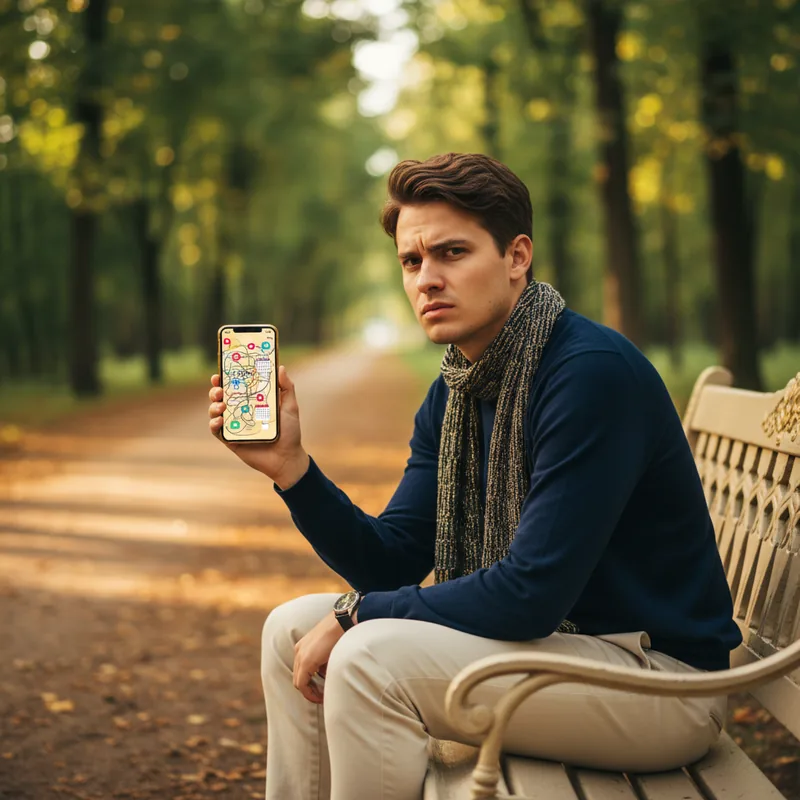
The pervasive narrative suggests that social media is inherently detrimental to our mental well-being, especially for younger generations. Indeed, prominent figures like U.S. Surgeon General Vivek H. Murthy have even considered warning labels for platforms due to perceived harm to adolescents (Murthy, 2024). But is social media really the villain it’s often portrayed to be? The answer, as we look to the evolving digital landscape of 2025, is more nuanced than a simple yes or no.
Social media truly isn’t inherently bad; its impact largely hinges on how we choose to engage with it. When approached with intention and media literacy, these platforms can be powerful tools for fostering connection, education, and inspiration. This guide will explore how social media can genuinely enhance mental health, offering practical strategies to maximize its benefits while mitigating potential risks.
No, social media isn’t really bad for mental health across the board. While it carries risks like social comparison and information overload, when used mindfully and with proper media literacy, social media can genuinely foster community, provide educational resources, and offer vital social support, especially for isolated or marginalized individuals.
The Dual Impact of Social Media on Mental Well-being
Social media platforms exert both positive and negative influences on our mental health. The crucial aspect lies in understanding these effects to embrace the beneficial elements and minimize exposure to the detrimental ones. As Dianne Mani, PsyD, a therapist and senior clinical director at Octave, aptly notes, social media is an integral part of our modern world. Its pervasive nature means “Even if you don’t use [it], our world is impacted by it,” she emphasizes.
Therefore, cultivating a deep understanding of how social media can enrich lives, while simultaneously recognizing its inherent risks, is paramount for everyone. As we move further into 2025, the digital landscape continues to evolve, making this awareness even more critical for digital citizens of all ages. This balanced perspective allows us to proactively shape our online experiences rather than passively react to them.
Research consistently highlights that the impact isn’t uniform; individual resilience, existing mental health conditions, and usage patterns all play significant roles (Harvard, 2024). Some individuals might find solace and support, while others might experience heightened anxiety. It’s not about whether social media really is good or bad, but rather how its diverse functionalities interact with individual psychology and societal structures.
Harnessing Social Media for Connection and Education
Let’s begin by exploring the undeniable advantages. Social media platforms excel at providing invaluable social support and fostering a sense of community. Lauren Auer, a licensed clinical professional counselor at Steadfast Counseling, underscores the importance of the connections social media can facilitate. These digital bridges are incredibly vital for human well-being.
Jared Boot-Haury, PsyD, a licensed clinical psychologist, echoes this sentiment, highlighting its particular value for those who might experience isolation. This includes individuals in rural areas or those with marginalized identities, such as LGBTQ+ and BIPOC communities. Finding a supportive online community can significantly reduce feelings of loneliness and instill a profound sense of belonging. Social media truly is a lifeline for many.
Beyond connection, social media serves as a powerful educational resource for mental health. Users can readily access educational content, self-help strategies, and coping mechanisms shared by qualified mental health professionals and reputable organizations. Furthermore, these platforms can be a wellspring of inspiration, offering motivational quotes, stories of resilience, and content focused on personal growth. Kamini Wood, a certified professional coach, adds that social media can amplify individual voices, enabling users to share their narratives, advocate for causes they care about, and ensure their perspectives are heard. These collective actions contribute significantly to positive mental health outcomes. For instance, specific online communities dedicated to chronic illness support, rare hobbies, or neurodiversity offer spaces where individuals can find understanding and practical advice that might be scarce in their immediate physical environments.
Navigating the Pitfalls: Negative Aspects of Digital Life
Not every aspect of the digital world shines brightly, and unfortunately, several negative facets warrant attention. A primary concern is social comparison. As Wood explains, social media often presents highly curated “highlight reels” of others’ lives. This can lead to feelings of inadequacy when individuals inevitably compare their everyday realities to these idealized online portrayals. Such comparisons can severely erode self-esteem and provoke self-doubt about one’s achievements and intrinsic worth.
This constant bombardment of seemingly perfect lives often triggers negative self-talk and pervasive feelings of insufficiency. Seeing others perpetually flaunt positive experiences, including successes or unrealistic beauty standards, can make individuals feel like they are constantly falling short. This phenomenon has been extensively studied, with findings suggesting a direct link between frequent social comparison on platforms and increased symptoms of depression and anxiety (Harvard, 2024).
Another significant issue is information overload. Lauren Auer, a licensed clinical professional counselor, notes that “The sheer volume of content can sometimes be overwhelming, contributing to anxiety and stress.” The relentless stream of updates and posts can lead to mental exhaustion and fatigue, leaving users feeling lost in a sea of digital noise.
Furthermore, cyberbullying remains a grave concern, particularly for teenagers. Harassment and toxic comments can severely impact mental health, especially if adequate support systems are not in place. The insidious nature of cyberbullying, which can occur anywhere—even in places traditionally considered safe like home—has led to tragic consequences, including an increase in suicidal ideation among adolescents. Understanding these risks is vital for promoting safer online environments.
Practical Strategies for Mindful Social Media Use
You don’t need to abandon social media entirely; the key is to cultivate mindful and intentional usage. Implementing specific safety tips can transform your digital experience. Firstly, actively limit your time online. Pay close attention to how screen time impacts your mood. If you notice a negative shift, it’s a clear signal to reduce your social media consumption. Many apps and phone settings offer built-in tools to help manage and restrict screen time effectively, as Auer points out.
Secondly, thoughtfully curate your feed. Boot-Haury advises tailoring your feed to prioritize positive content. This means actively unfollowing or muting accounts that consistently trigger stress, negative moods, or feelings of inadequacy. By proactively shaping your online environment, you create a more uplifting and supportive digital space. Thirdly, consciously avoid the comparison trap. When scrolling, it’s easy to compare yourself to friends, influencers, or celebrities. Mani cautions that “Comparison can lead to cognitive distortions, which restrict you from thinking about life realistically and rationally.” It can fuel low self-esteem and exacerbate mental health challenges like anxiety or depression. To counteract this, regularly remind yourself of your unique strengths and consistently practice self-compassion.
Engage with purpose. Before opening any social media app, pause and ask yourself your intention. Are you seeking connection, information, or merely passing time? Being intentional helps you avoid mindless scrolling and ensures your online activity serves a positive purpose, as Wood suggests. Finally, consistently monitor your time and take regular breaks. If you feel overwhelmed or find social media encroaching on real-life relationships, work, or hobbies, set firm time limits. Better yet, take a complete break. Mani highlights that many platforms offer easy ways to pause your profile rather than deleting it, allowing for temporary disengagement without permanent loss of content. Regularly check in with your feelings to ensure your social media use remains a positive force. If these strategies, including asking “is social media really helping or harming me?”, don’t yield improvement, Boot-Haury recommends seeking professional help from a licensed mental health expert.
Leveraging Platforms for Mental Health Support in 2025
Many social media platforms, when utilized thoughtfully, can truly have a positive impact on mental health. As we look towards 2025, the integration of mental wellness resources into digital spaces is becoming even more sophisticated. Wood recommends platforms like Calm, Headspace, and Happify, which are specifically designed to cultivate meditation, mindfulness, and happiness. These apps also host vibrant online communities where users share tips and tools for reducing stress and enhancing positive emotions.
The digital landscape offers a wealth of mental health resources, including individual therapists, support groups, and educational pages. For example, Lauren Auer is highly active on TikTok and Instagram, where she freely shares coping strategies, practical tips, and psychoeducation. Similarly, Kamini Wood leverages Instagram to offer actionable advice on self-care, establishing healthy boundaries, and developing emotional intelligence. While these accounts are not substitutes for one-on-one therapy or counseling, they provide invaluable guidance and support to a wide audience. Auer wisely advises users to always verify creators’ credentials before blindly accepting information, particularly given the prevalence of misinformation online.
Beyond individual practitioners, numerous support groups thrive on social media. Organizations like the National Alliance on Mental Illness (NAMI) and Mental Health America (MHA) maintain robust online presences. These groups provide essential education, promote mental health campaigns, raise awareness, and guide users on understanding mental health conditions and accessing help when needed, explains Boot-Haury. In 2025, we are also seeing a rise in specialized online virtual therapy groups and workshops, allowing greater accessibility to structured support from licensed professionals, regardless of geographic location. This expansion means social media genuinely provides a new frontier for mental health care.
Some Mental Health Social Media Accounts to Follow
Several successful mental health campaigns have leveraged social media effectively. Here are a few notable examples:
- #ItsOkayToTalk (Andys Man Club): Active across Facebook, Instagram, TikTok, and X since 2016, this powerful campaign consistently encourages men to openly discuss their mental health struggles, fostering a culture of vulnerability and support.
- #HereForYou (Instagram): Launched in 2017, Instagram’s #HereForYou campaign aims to encourage users to share their mental health journeys. Auer explains that this initiative connects individuals with vital mental health resources when they search specific hashtags, such as those related to eating disorders or depression.
- #TalkToMe and #YouMatter (The Trevor Project): The Trevor Project has spearheaded numerous influential social media campaigns to support LGBTQ+ youth. Mani notes that #TalkToMe promotes open conversations about mental health within this community, while #YouMatter emphasizes suicide prevention and reinforces the inherent worth of LGBTQ+ youth. These campaigns also provide direct access to crucial resources and crisis hotlines.
- #TheHolisticPsychologist (Dr. Nicole LePera): Dr. Nicole LePera, known as The Holistic Psychologist, has built a massive following across Instagram and TikTok. She offers daily insights into self-healing, emotional intelligence, and conscious living, providing accessible psychoeducation and practical tools for mental wellness to millions.
Cultivating a Balanced Digital Lifestyle
The cornerstone of balancing social media use with robust mental health is intentionality. As Auer eloquently puts it, “Just like with food, it’s essential to be mindful of what you consume online. Choosing content that nourishes your mental health is key.” This deliberate approach ensures that your digital interactions contribute positively to your well-being. This requires asking, “is social media really serving me right now?”
Here are additional strategies for achieving a harmonious balance between your digital and offline lives:
- Balance Social Media Use with Offline Activities: It is crucial to complement your social media engagement with meaningful offline activities. Wood emphasizes that “These offline moments are crucial for maintaining a healthy perspective and ensuring that social media is just one part of a balanced life, not the whole picture.” Engage in hobbies, spend time in nature, connect with loved ones in person, or pursue new skills.
- Avoid Doom Scrolling: Falling into the trap of doom scrolling—mindlessly consuming negative or anxiety-inducing content—is all too easy. However, little good can come from this habit. Mani advises, “If you find yourself feeling hopelessness, anxiety, or dread, put down your phone.” Remember that excessive screen time, especially when engaging with negative content, can exacerbate feelings of isolation and contribute to emotional distress.
- Notice How Social Media Makes You Feel: Regularly check in with your emotions during and after social media use. Wood suggests, “If you notice feelings of stress, anxiety, or inadequacy creeping in, it’s a sign that you may need to take a break or reassess who and what you’re following.” Your feelings are valuable indicators of your digital health. In 2025, with increasing integration of AI, personalized wellness nudges from platforms might even help guide users towards healthier patterns, but personal awareness remains paramount.
Wrapping Up
Social media holds the potential to profoundly and positively transform our lives and overall well-being. However, realizing this potential requires us to be intentional, realistic, and discerning in our approach to digital engagement. Sometimes, this means consciously putting down your phone and immersing yourself in an alternative activity—perhaps a rejuvenating walk in nature, engaging in a creative pursuit, or simply enjoying quiet reflection.
It also means being acutely conscious about the content you consume and the underlying reasons for your engagement. Social media isn’t our adversary; while it certainly presents its share of negative aspects, it also offers a wealth of genuinely positive opportunities for connection, learning, and support. By embracing a mindful, balanced perspective, we can harness its power for good and ensure it truly contributes to a healthier, happier life in 2025 and beyond.