If you’ve found yourself consistently struggling to keep focus, manage impulsivity, or simply sit still, you might be wondering, “I think I have ADHD.” It’s a valid thought, especially when everyday tasks feel like an uphill battle. The good news is that recognizing these patterns is the first, most powerful step toward understanding yourself better and finding effective strategies. This isn't about a lack of willpower; it's about understanding how your brain works and what support is available.
What Does ADHD Look Like?
Attention-deficit hyperactivity disorder (ADHD) is a neurodevelopmental condition that affects how your brain regulates attention, impulse control, and activity levels. While often associated with childhood, it frequently persists into adulthood, sometimes in ways that are only recognized later in life. If you suspect I think I have ADHD, paying attention to specific patterns is key. These symptoms generally fall into two main categories: inattention and hyperactivity-impulsivity.
Signs of Inattention
Difficulty concentrating on tasks, whether it's a work project, household chores, or even a conversation, is a hallmark of inattention. This can manifest as:
- Making careless mistakes because you miss crucial details.
- Trouble following through on instructions or finishing what you start.
- Forgetting appointments, losing track of items like your keys or phone, or struggling to meet deadlines.
- Being easily distracted, finding it hard to sustain focus on mentally demanding activities.
- Poor time management and difficulty staying organized, leading to a feeling of constant overwhelm.
Imagine trying to prepare a complex meal but getting sidetracked by every notification, leaving ingredients out, and forgetting steps. That’s just one example of how inattentive symptoms can play out.
Signs of Hyperactivity and Impulsivity
These symptoms often involve a feeling of restlessness or an urge to move. You might experience:
- Fidgeting, squirming, or finding it hard to stay seated for extended periods.
- Feeling an inner restlessness or a constant need to be on the go.
- Talking excessively or blurting out answers before a question is fully asked.
- Interrupting others or having difficulty waiting for your turn in conversations or activities.
- Struggling to engage in quiet leisure activities.
Think about sitting through a long meeting, feeling an almost physical urge to get up and pace, or finding yourself cutting people off mid-sentence because the thought is already out of your head. This is where hyperactivity and impulsivity can become disruptive.
Where to Turn for Help
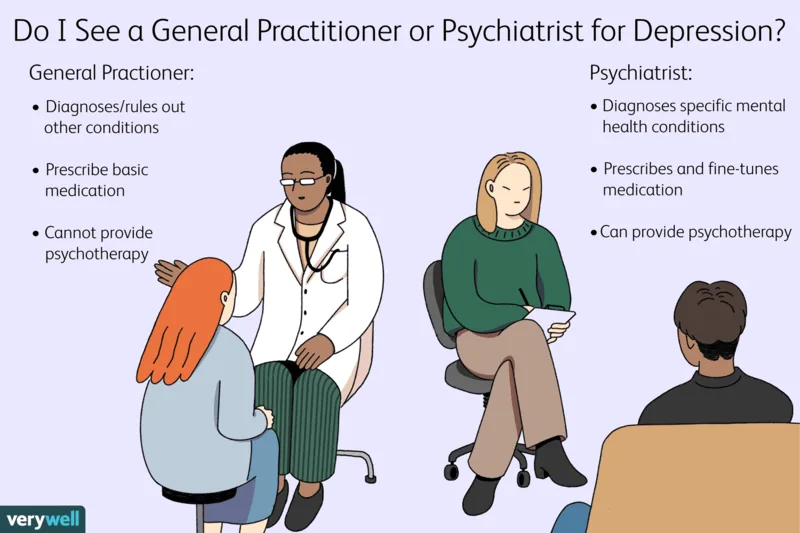
If these symptoms resonate deeply, it's crucial to seek professional evaluation. The journey to understanding I think I have ADHD often begins with connecting with the right healthcare provider. Mental health professionals like psychologists or psychiatrists are trained to assess these symptoms. It’s vital to remember that ADHD symptoms can overlap with other conditions, such as anxiety or depression, making a professional diagnosis essential (Harvard, 2024).
To find a specialist, consider these avenues:
- Ask for referrals: Friends, family, or your primary care physician can often provide recommendations.
- Check directories: Professional organizations may offer online directories to find practitioners specializing in ADHD.
- Local institutions: Hospitals or university medical centers often have departments that can guide you.
- Support groups: Local or online ADHD support groups can be a treasure trove of advice and referrals.
Remember, finding the right fit is important. You want a provider who listens, understands, and has experience with ADHD.
What to Expect During Testing
Once you connect with a healthcare provider, they will conduct an evaluation to determine if you have ADHD. This process typically involves several components:
- Symptom assessment: You’ll likely complete questionnaires detailing your experiences and their impact on your daily life.
- Medical and personal history: A thorough review of your personal and family medical background will be conducted.
- Ruling out other conditions: Sometimes, blood tests, imaging, or other psychological assessments might be used to confirm the diagnosis or exclude other possibilities (Mayo Clinic, 2023).
The provider will compare your experiences against the diagnostic criteria outlined in the Diagnostic and Statistical Manual of Mental Disorders (DSM-5). Key criteria include the persistence of symptoms (over six months), their presence before age 12, their occurrence in multiple settings (like home, work, or social situations), and the significant impairment they cause in functioning.
Understanding the Types of ADHD
Based on the evaluation, a diagnosis will specify the type of ADHD, if present:
- Predominantly Inattentive Type: Characterized by significant symptoms of inattention, but fewer symptoms of hyperactivity-impulsivity.
- Predominantly Hyperactive-Impulsive Type: Marked by significant symptoms of hyperactivity-impulsivity, with fewer symptoms of inattention.
- Combined Type: Individuals experience a substantial mix of both inattentive and hyperactive-impulsive symptoms.
Recognizing which type you might have can provide clarity and help tailor support strategies. This is a critical step when you realize, “I think I have ADHD.”
Your Next Steps After Diagnosis
Receiving an ADHD diagnosis is not an endpoint, but a starting point for effective management. If a provider confirms that I think I have ADHD, they will work with you to create a personalized treatment plan. This plan often involves a combination of approaches tailored to your specific needs.
Common treatment strategies include:
- Medication: Stimulant and non-stimulant medications can help manage core ADHD symptoms by affecting neurotransmitters in the brain.
- Therapy: Cognitive Behavioral Therapy (CBT) and other forms of talk therapy can equip you with coping mechanisms for organizational challenges, emotional regulation, and time management.
- Coaching: An ADHD coach can provide practical strategies and accountability for daily tasks, helping you build routines and achieve your goals.
For example, a therapist might help you develop systems for managing email overload, while a coach could assist in structuring your week to ensure important projects get done. Medication can help improve focus, making these strategies more effective. It’s about building a toolkit that works for you, transforming challenges into manageable steps.