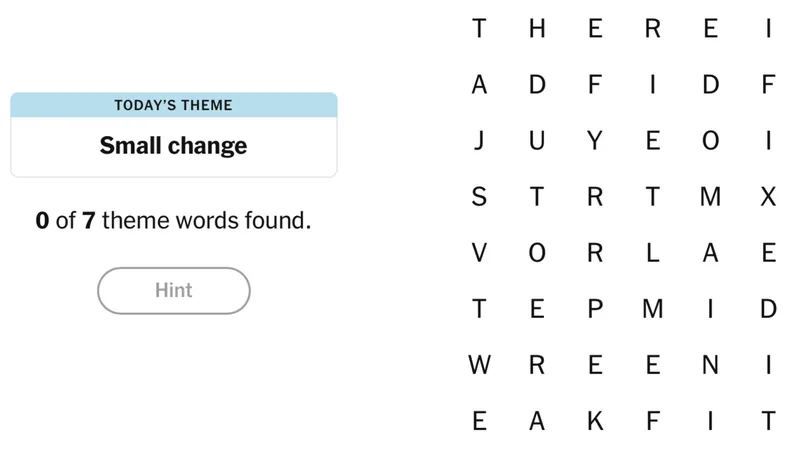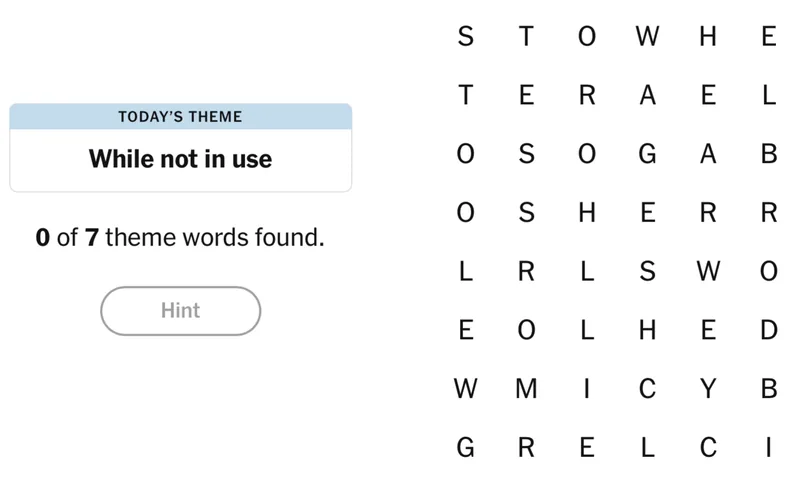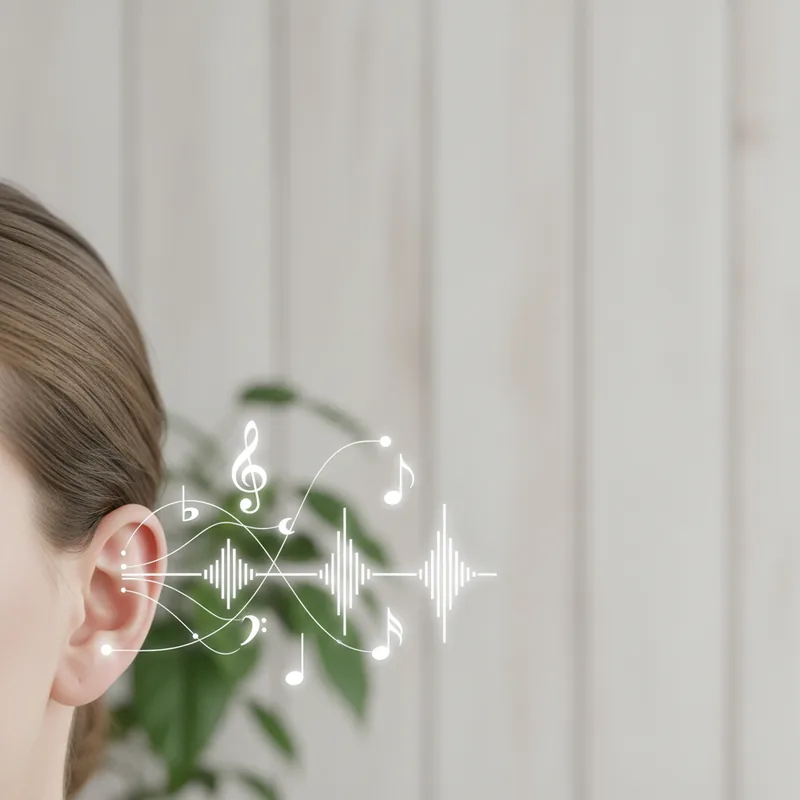
Picture this: You're staring at a grid of letters, a familiar sense of mild frustration creeping in as you search for hidden words. The New York Times Games are a daily ritual for many, and today's Strands puzzle, themed "The ears have it!," is no exception. If you're seeking a little guidance to conquer the challenge, you've come to the right place. We're diving into today's NYT Strands hints, offering clues, and ultimately revealing the solution for Thursday, January 15, 2026, so you can finally master the puzzle.
Today's NYT Strands Hints and Clues
The New York Times Strands puzzle presents a unique blend of word search and crossword, challenging players to connect themed words within a letter grid. The goal is to identify the central theme, find the 'spangram' (a word that spans the entire grid and defines the theme), and then locate all the associated theme words. For January 15, 2026, the theme is "The ears have it!" This suggests words related to hearing and the anatomy of the ear.
To help you along, we'll provide subtle hints. Remember to scroll down only as far as you need to avoid spoilers. Finding today's NYT Strands hints can be the key to unlocking the entire puzzle.
Spangram Hint
Think of a phrase you might exclaim to show strong agreement or support during a speech or a toast. It's a two-word exclamation that echoes the sentiment of affirmation.
Theme Words Hint
The theme words are all directly related to the human anatomy responsible for perceiving sound. Consider the different parts involved in the process of hearing, from the outer structures to the microscopic components within.
The Answer to Today's NYT Strands Puzzle
If you've scrolled this far, you're ready for the full reveal. The puzzle for Thursday, January 15, 2026, centers around the intricate workings of our ears.
The spangram, which encapsulates the theme, is HEARHEAR. This phrase is a classic interjection used to express enthusiastic agreement.
The theme words that connect to "The ears have it!" are:
- DRUM
- CANAL
- STIRRUP
- HAMMER
- ANVIL
- CARTILAGE
- LOBE
These words represent various parts of the ear and the ossicles (small bones) within the middle ear, crucial for transmitting sound. For instance, the malleus, incus, and stapes are commonly known as the hammer, anvil, and stirrup, respectively (Smithsonian Magazine, 2023). When sound waves reach the eardrum, these tiny bones vibrate, amplifying the sound before it travels to the inner ear for processing by the brain.
How to Solve the Puzzle
Solving Strands involves identifying words that fit the day's theme. The spangram, highlighted in yellow once found, provides a strong clue to the overall subject. Once the spangram is located, finding the other theme words becomes significantly easier.
Words can be formed by connecting letters horizontally, vertically, diagonally, or even in reverse. Each letter can only be used once per word. When you correctly identify a theme word, it's highlighted in blue. The game mechanics are designed to be forgiving; there's no penalty for incorrect guesses, and you can't technically 'lose'. The game is won when all letters on the board have been used to form the spangram and all theme words.
If you get stuck, submitting any valid word of four letters or more (that isn't a theme word) earns you credit towards a hint. After three such submissions, the 'Hint' button becomes active, revealing one of the theme words by highlighting its letters. This can be a game-changer when you're close but can't quite see the solution.
Understanding the Ear Anatomy
The theme words themselves offer a mini-lesson in audiology. The LOBE is the soft, fleshy lower part of the external ear. CARTILAGE forms the structure of the outer ear. The CANAL (ear canal) directs sound waves inward. The DRUM refers to the eardrum (tympanic membrane), which vibrates upon receiving sound.
Inside the middle ear, the three tiny bones - the hammer (malleus), anvil (incus), and stirrup (stapes) - work in sequence to transmit these vibrations. The stirrup, the smallest bone in the human body, connects to the oval window of the cochlea. This chain reaction, from eardrum vibration to fluid movement within the cochlea, ultimately generates nerve signals interpreted by the brain as sound (National Institute on Deafness and Other Communication Disorders, 2022). Understanding this process illuminates why these specific words are chosen for today's NYT Strands hints and answers.
Playing Strands Daily
The New York Times Strands is available on their website and through the NYT Games app. Each day brings a new puzzle with a fresh theme, offering a consistent challenge for word game enthusiasts. It's a fantastic way to exercise your vocabulary and cognitive skills.
Unlike some other timed or limited-guess games, Strands allows for a more relaxed approach. The satisfaction comes from uncovering the connections and completing the entire grid. It's a rewarding mental workout that fits perfectly into a daily routine, much like other productive habits.
For those who enjoy a daily dose of brain teasers, exploring today's NYT Strands hints and solutions can be an integral part of the experience, helping you learn the patterns and strategies employed by the puzzle creators. It's a delightful way to engage with language and a bit of anatomy, all before your morning coffee.