Change is an undeniable constant in life, bringing with it both challenges and opportunities. Learning how to get better dealing change is crucial for maintaining mental well-being and achieving personal growth. By proactively preparing, reframing your mindset, maintaining routines, seeking social support, and prioritizing self-care, you can navigate life’s transitions with greater ease and resilience. This guide offers a comprehensive approach to mastering change, helping you not just cope, but truly thrive.
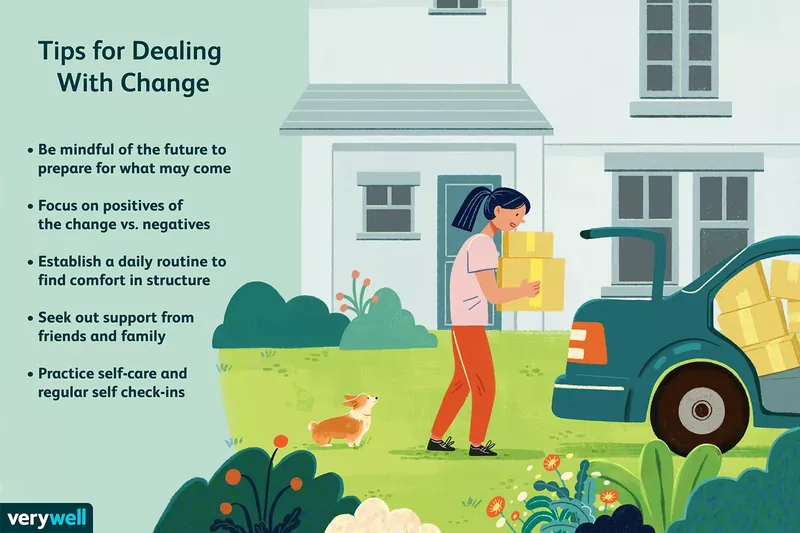
- Prepare proactively
- Reframe your mindset
- Maintain routines
- Seek social support
- Prioritize self-care
1. Understanding Why Change is Challenging
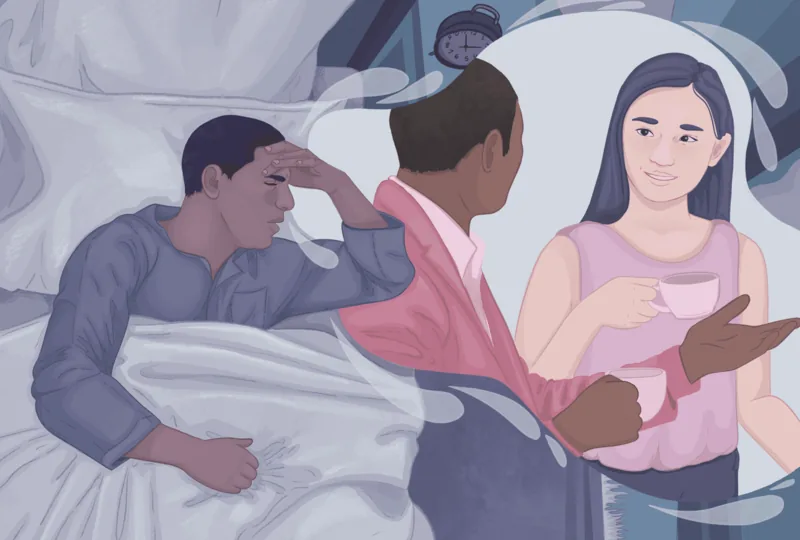
Change, whether anticipated or sudden, can profoundly disrupt our sense of equilibrium and comfort. Our brains are wired for predictability, and deviations from established patterns can trigger a stress response. This innate resistance makes better dealing change a universal struggle for many. Even positive life events, like a new job or a move to a dream city, can induce stress because they demand adaptation and push us beyond our familiar comfort zones.
The inherent difficulty in adapting stems from several factors. Firstly, change often brings uncertainty, which can be frightening. We naturally fear the unknown, and a lack of clear expectations can breed anxiety. Secondly, changes can dismantle established routines and habits, forcing us to expend more mental and emotional energy to create new ones. This cognitive load can be exhausting. Thirdly, significant life changes, such as job loss, divorce, or the death of a loved one, come with profound emotional weight, including grief, fear, and sadness. These emotions are challenging to process, further complicating our ability to adapt effectively. The accumulation of these factors makes mastering change a complex psychological process, impacting both our mental and physical health. Symptoms like anxiety, irritability, sleep disturbances, and physical tension are common indicators that we are struggling to adjust to new circumstances.
2. Preparing Proactively for Life’s Shifts
While many changes in life are unexpected, a significant number can be anticipated. Proactive preparation is a powerful strategy for better dealing change and minimizing its potential stress. By mentally and practically bracing yourself for upcoming transitions, you can reclaim a sense of control and reduce feelings of overwhelm. This forward-thinking approach allows you to build a buffer against the inevitable disruptions that change brings.
To prepare effectively, start by identifying potential future events that might lead to significant shifts. For example, if you foresee a career transition in the next year, you might begin updating your resume, networking, or even taking new courses to enhance your skills. If an aging parent might soon require more care, discussing care options and financial planning ahead of time can alleviate future pressure. Creating checklists of necessary actions, saving money to mitigate financial strain during uncertain periods, or consulting with professionals like financial advisors or career coaches are all valuable preparatory steps. Avoidance coping, where you ignore or delay dealing with impending changes, might offer temporary relief but often leads to increased stress and unhappiness in the long run. Embracing a proactive stance empowers you to approach change from a position of strength, rather than being reactive to circumstances. This foresight allows you to make conscious choices about how you want to shape your future, rather than feeling like a passive participant in your own life.
3. Shifting Your Mindset Through Cognitive Reframing
The way you perceive change profoundly influences your ability to cope. Negative thinking patterns can sabotage your efforts to adapt, making even minor shifts feel insurmountable. Learning to shift your mindset through cognitive reframing is a cornerstone of better dealing change. This powerful psychological technique helps you challenge and alter unhelpful thoughts, fostering a more realistic and hopeful outlook on challenging situations.
Cognitive reframing involves consciously altering the perspective from which you view a situation. Instead of seeing change as a threat that disrupts your life, you can reframe it as an opportunity for growth, learning, or a fresh start. For instance, a job loss could be reframed not as an end, but as a chance to explore a new career path or pursue a long-held passion. This doesn’t mean ignoring the difficulties, but rather focusing on your inherent strengths and capacities to overcome obstacles. To practice cognitive reframing, first, become aware of your automatic negative thoughts. Are you engaging in cognitive distortions like catastrophizing (“This is the worst thing ever!”) or all-or-nothing thinking (“If this isn’t perfect, it’s a complete failure!”)? Second, critically examine the evidence for and against these thoughts. How realistic are they? What alternative explanations or outcomes are possible? (Harvard Health, 2024). Finally, practice self-compassion. Treat yourself with the same kindness and understanding you would offer a friend. By actively challenging and reshaping your internal narrative, you can cultivate a more positive, resilient mindset, making you far more capable of navigating transitions effectively.
4. Cultivating Stability with Consistent Routines
When significant changes are unfolding around you, maintaining a sense of normalcy can be an anchor in turbulent times. Establishing and adhering to consistent routines provides structure and predictability, which are invaluable for better dealing change. Research consistently shows that routines can significantly reduce symptoms of stress and anxiety, offering a psychological buffer against the chaos of transition (Eilam et al., 2011).
Your daily routine doesn’t need to be rigid, but incorporating a few non-negotiable habits can provide a much-needed sense of control. Simple actions, like waking up and going to bed at the same time each day, can regulate your circadian rhythm and improve sleep quality, which is vital during stressful periods. Similarly, scheduling regular physical activity, even just a 30-minute walk, releases endorphins and reduces stress hormones. Eating balanced meals at consistent times ensures your body is well-nourished, preventing dips in energy and mood swings. Beyond these basics, consider integrating activities that bring you comfort and peace. This could be a daily meditation practice, reading a chapter of a book, listening to music, or dedicating time to a hobby. For example, if you’re moving to a new city, maintaining your morning coffee ritual or evening journaling practice can create a familiar rhythm amidst the unfamiliarity. The goal is to create pockets of stability that you can rely on, allowing you to conserve mental energy for adapting to the new aspects of your life. Consistent routines help to ground you, making the overall process of adapting to change more manageable and less overwhelming.
5. Leveraging Your Social Support Network
Human beings are inherently social creatures, and strong social connections are critical for mental well-being, especially when navigating significant life changes. Actively leveraging your social support network is an incredibly effective strategy for better dealing change. Friends, family, colleagues, and community groups can provide multifaceted assistance, offering comfort, encouragement, and practical help during challenging times.
Social support manifests in various forms. Emotional support involves having someone listen empathetically, validate your feelings, and offer comfort without judgment. This can be invaluable when you’re feeling overwhelmed or sad about a change. Informational support comes from connections who can offer advice, share experiences, or provide practical knowledge relevant to your situation. For instance, if you’re switching careers, talking to someone already in that field can offer crucial insights. Tangible support refers to direct practical assistance, such as help with moving, preparing meals during a difficult period, or childcare. Asking for help can sometimes feel difficult, but it’s important to remember that your loved ones often want to support you. Be specific about your needs: “I’m feeling really stressed about this move; would you be free to chat for a bit?” or “I could really use an extra pair of hands unpacking boxes this weekend.” (Smith et al., 2021). Building and maintaining these connections requires effort, but the return on investment in terms of resilience and emotional strength is immense. In 2025, with increasing digital connectivity, online support groups and virtual meet-ups can also supplement in-person interactions, ensuring you have a diverse and accessible network to lean on.
6. Prioritizing Holistic Self-Care for Resilience
Beyond mental preparation and external support, actively prioritizing holistic self-care is fundamental for better dealing change. During periods of transition and heightened stress, it’s common to neglect basic physical and emotional needs, which can exacerbate feelings of overwhelm and reduce your capacity to adapt. Nurturing your body and mind fosters resilience, allowing you to navigate challenges from a position of strength.
Holistic self-care encompasses a range of practices that support your overall well-being. Ensuring adequate rest is paramount; chronic fatigue makes everything feel worse and impairs cognitive function. Aim for 7-9 hours of quality sleep each night. Nutrition also plays a critical role; consuming balanced, nutrient-rich meals provides the energy your body and brain need to function optimally. Avoid relying heavily on comfort foods or excessive caffeine, which can lead to energy crashes and anxiety. Physical activity, as mentioned, is a powerful stress reliever, but also consider activities that bring you joy and relaxation. This could be a creative hobby, spending time in nature, practicing mindfulness or deep breathing exercises, or simply taking a warm bath. For example, if you’re adjusting to a new work schedule, consciously blocking out time for a favorite pastime, even for 30 minutes, can prevent burnout. Making self-care a non-negotiable part of your routine, even during the busiest times, sends a powerful message to yourself that your well-being matters. This deliberate attention to your physical and emotional health builds a strong foundation, enabling you to face adversity with greater stamina and a more positive outlook, truly mastering change.
7. Recognizing When Professional Help is Needed
While the strategies outlined above can significantly improve your ability to cope with change, there are times when the stress of transition becomes overwhelming. Recognizing when to seek professional help is a crucial aspect of better dealing change and protecting your long-term mental health. Sometimes, the emotional and behavioral symptoms caused by change can be severe or persistent, indicating a need for expert intervention.
If you find yourself experiencing symptoms that significantly disrupt your daily life, relationships, work, or school, it might be more than just stress. These could include prolonged periods of intense sadness, anxiety, hopelessness, pervasive irritability, extreme difficulty concentrating, or changes in appetite and sleep patterns that last for several weeks. In some cases, individuals may develop an adjustment disorder, a condition characterized by an unhealthy or excessive reaction to a stressful life event (O’Donnell et al., 2019). A mental health professional, such as a therapist or counselor, can provide a safe space to process your feelings, develop personalized coping mechanisms, and offer evidence-based treatments. Psychotherapy, particularly cognitive-behavioral therapy (CBT), can be highly effective in helping you reframe negative thoughts and develop healthier responses to change. In certain situations, medication might be recommended to manage symptoms like severe anxiety or depression, often in conjunction with therapy. Reaching out for help is a sign of strength, not weakness. A healthcare provider or mental health professional can assess your situation accurately and guide you toward the most appropriate treatments and support, ensuring you have all the tools necessary to navigate even the most challenging life transitions.