It’s a universal truth: ending a relationship is rarely easy. Many individuals cling to partnerships long past their expiration date, often due to fear of loneliness, the allure of past investments (the “sunk cost fallacy”), or simply the comfort of familiarity. Yet, ignoring the subtle — and sometimes not-so-subtle — indicators it’s time to break up can lead to prolonged unhappiness and emotional drain. Recognizing these critical signs early can empower you to make healthier choices for your future.
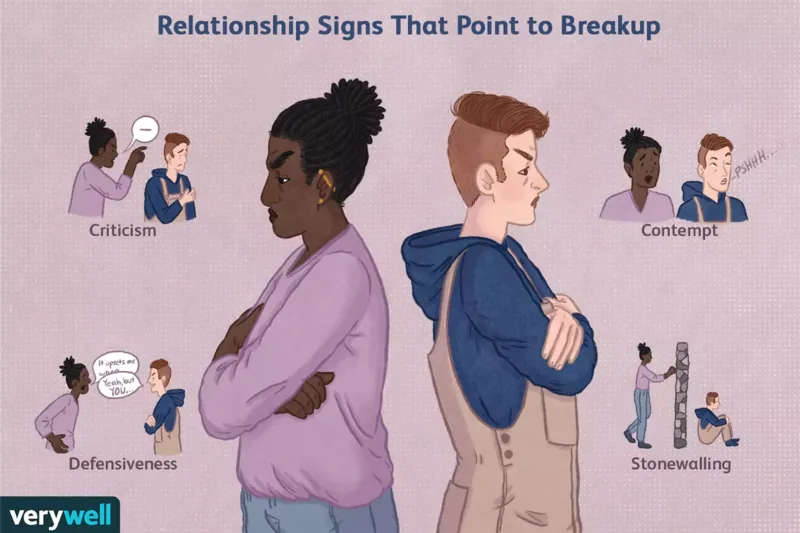
Understanding when a relationship has reached its breaking point is a deeply personal journey. However, extensive research points to consistent patterns of communication that signal significant trouble. Dr. John Gottman, a renowned relationship expert, identified four destructive communication styles, famously dubbed “The Four Horsemen of the Apocalypse,” which serve as powerful indicators it’s time to break up or seek professional intervention. This guide delves into these crucial red flags, offering clarity and actionable insights for navigating such challenging times.
1. Understanding Relationship Red Flags
For decades, relationship researchers have sought to identify the core dynamics that lead to a couple’s demise. Dr. John Gottman’s groundbreaking work stands out, offering a predictive model based on observable communication patterns. His research, conducted over many years, revealed that certain negative interactions are potent indicators it’s time to break up, often paving the way for eventual separation. These patterns aren’t just occasional disagreements; they represent deeply ingrained habits that erode trust and intimacy over time.
Gottman’s “Four Horsemen of the Apocalypse” provide a clear framework for understanding these destructive forces. These aren’t merely bad habits, but rather systemic flaws in how partners interact and address conflict. When these communication styles become prevalent, they signal a profound breakdown in respect, understanding, and emotional connection, making them undeniable breakup indicators. Modern relationship dynamics, often complicated by digital communication and differing societal expectations in 2025, can sometimes mask these issues, making their identification even more critical. Research from institutions like Harvard (2024) continues to underscore the importance of healthy communication as the bedrock of enduring partnerships, highlighting how its absence can be a definitive sign of trouble. Recognizing these foundational issues is the first step toward deciding whether to work on the relationship or acknowledge that it might be time to move on.
2. The First Horseman: Destructive Criticism
What is criticism in a relationship? Criticism attacks a person’s character or personality rather than addressing specific behaviors or issues. Unlike a simple complaint, which focuses on an action, criticism is a global assault on who your partner is as a person, often using generalizations like “always” or “never.”
This destructive communication style goes far beyond merely expressing dissatisfaction. While it’s natural to have complaints in any relationship, criticism transforms these grievances into personal attacks, questioning your partner’s core identity or intentions. For instance, instead of saying, “I wish you’d help more with the household chores,” a critical statement would be: “You’re so lazy and inconsiderate; you always leave your clothes everywhere, never thinking about anyone else.” This shift from behavior to character is a crucial distinction.
When criticism becomes a pervasive pattern, it signals a deeper problem than just unmet needs. It suggests a lack of respect and a tendency to view the partner through a negative lens. While occasional lapses into criticism can occur during heated arguments, its constant presence is a significant indicator it’s time to break up, as it erodes self-esteem and fosters resentment. Partners subjected to constant criticism often feel devalued and misunderstood, leading them to withdraw or retaliate. This cycle can quickly escalate into more damaging interactions, making it difficult to salvage the relationship without significant intervention. If your conversations are dominated by character assassinations rather than constructive feedback, it’s a potent signal that the relationship is in serious trouble.
3. The Second Horseman: Pervasive Defensiveness
What is defensiveness in a relationship? Defensiveness is a counter-attack or an attempt to shift blame onto your partner when confronted with a complaint, rather than taking responsibility for your actions. It often manifests as excuses, cross-complaining, or playing the victim.
This response typically arises when one partner feels attacked, even if the initial complaint was valid and gently delivered. Instead of acknowledging their role in a problem, the defensive partner deflects, often turning the tables back on the accuser. For example, if one partner says, “I’m concerned about our finances; you’ve been spending a lot this month,” a defensive response might be: “Well, you never plan any fun dates, so I had to find my own entertainment!” This example clearly illustrates the blame-shifting and refusal to take accountability.
Constant defensiveness creates an environment where problems are never truly resolved. If neither partner is willing to own their contributions to issues, genuine communication and problem-solving become impossible. This pattern makes partners feel unheard and unseen, as their concerns are consistently invalidated. It suggests an unwillingness to self-reflect or make necessary adjustments for the relationship’s health. When defensiveness becomes the default response, it indicates a significant breakdown in trust and mutual respect, making it a powerful indicator it’s time to break up. A relationship cannot thrive if one or both partners are constantly shielding themselves from responsibility, preventing any real progress or deeper connection.
4. The Third Horseman: Corrosive Contempt
What is contempt in a relationship? Contempt is treating your partner with disrespect, disdain, or disgust. It can manifest through insults, sarcasm, mocking, eye-rolling, scoffing, or a general air of superiority.
Contempt is considered the most destructive of the Four Horsemen, as it signifies a profound lack of respect for one’s partner. When contempt is present, partners actively seek to diminish each other, making them feel worthless or inferior. It goes beyond simple anger; it’s a deep-seated negativity that poisons the emotional climate of the relationship. Imagine a partner responding to an idea with a dismissive scoff, rolling their eyes, and saying, “Oh, that’s your brilliant idea? How original – you always come up with the most basic thoughts.” This type of interaction is designed to belittle and hurt.
The presence of contempt is a massive red flag and a strong indicator it’s time to break up. It implies that the emotional bonds have severely weakened, replaced by animosity and resentment. When partners treat each other with such scorn, it’s nearly impossible to foster love, empathy, or connection. Studies even link contempt to poorer physical health outcomes for the receiving partner, highlighting its toxic nature. If you find yourself consistently being treated with contempt, or if you are the one expressing it, it’s crucial to question the viability of the relationship. Without mutual respect, the foundation for a healthy partnership collapses, leaving little hope for recovery.
5. The Fourth Horseman: Silent Stonewalling
What is stonewalling in a relationship? Stonewalling occurs when a listener shuts down, withdraws, or stops responding to their partner during a conversation, often avoiding eye contact and disengaging completely. It’s typically a response to feeling overwhelmed or emotionally flooded.
While it might seem less aggressive than criticism or contempt, stonewalling is profoundly damaging because it signals a complete breakdown in communication. When a partner stonewalls, they physically or emotionally withdraw from the interaction, creating an impenetrable wall. This can look like walking away mid-sentence, giving silent treatment, changing the subject abruptly, or simply staring blankly without acknowledging the other person’s words. It’s the feeling that you would rather do anything else than engage in a vulnerable or difficult conversation.
Stonewalling often happens when one partner feels so emotionally overwhelmed that they can no longer process information or respond constructively. However, its effect on the other partner is devastating: they feel ignored, invalidated, and utterly alone. When communication reaches this stage, it becomes incredibly difficult to resolve conflicts or connect on an emotional level. The relationship effectively grinds to a halt, as vital conversations are avoided or shut down. This persistent avoidance of engagement is a very strong indicator it’s time to break up, suggesting that the emotional connection has frayed to a point where meaningful interaction is no longer possible. While not entirely irreversible, it requires significant effort and potentially professional help to re-establish open lines of communication.
6. Navigating Your Next Steps
Recognizing these powerful indicators it’s time to break up can be a painful but ultimately liberating experience. While all couples may occasionally exhibit one or more of Gottman’s Four Horsemen, their consistent and pervasive presence signals deep-seated issues that threaten the very existence of the relationship. It’s crucial to differentiate between isolated incidents and entrenched patterns. If these destructive communication styles define your interactions, it’s a clear sign that something fundamental needs to change.
In 2025, with increasing awareness around mental health and relationship well-being, there are more resources available than ever before. If both partners are willing to commit to change, couples therapy can be an incredibly effective tool. A skilled therapist can help identify these destructive patterns, teach healthier communication strategies, and provide a safe space to rebuild trust and respect. However, if one or both partners are unwilling to acknowledge these issues or put in the necessary work, these persistent breakup indicators should prompt serious self-reflection. Ultimately, you are the best judge of your own relationship and situation. Empowering yourself with this knowledge allows you to make an informed decision, whether that means fighting for the relationship with new tools or choosing to move forward towards a healthier, happier future alone. Prioritizing your emotional well-being is paramount, and sometimes, letting go is the bravest and most self-compassionate choice.