Sexual assault is a deeply traumatic experience that can leave profound and lasting effects sexual assault survivors. Immediately following such an event, individuals often grapple with intense distress, including overwhelming fear, anger, guilt, and profound sadness. The societal stigma sometimes associated with sexual assault can further compound these feelings, leading to additional embarrassment or shame. Crucially, surviving sexual assault significantly increases the likelihood of developing Post-Traumatic Stress Disorder (PTSD), a serious mental health condition. This article delves into the complex impacts of sexual assault, the symptoms of PTSD, and effective strategies for healing and recovery in 2025.
1. The Challenge: The Widespread Reality of Sexual Assault
Sexual assault encompasses a broad spectrum of unwanted sexual behaviors, ranging from non-consensual touching to attempted or completed rape. This pervasive issue affects millions globally, with alarming statistics highlighting its widespread occurrence. According to the Centers for Disease Control and Prevention (CDC), a significant portion of the population will experience some form of sexual violence involving unwanted physical contact during their lifetime (CDC, 2024). Specifically, one in three women and one in four men are estimated to face such violence.
The societal prevalence of sexual assault presents a formidable challenge, impacting individuals across all demographics and age groups. Beyond the immediate trauma, the long-term consequences of sexual assault can manifest in various aspects of a survivor’s life. This includes not only mental health challenges like PTSD but also physical ailments, difficulties in relationships, and altered perceptions of safety and trust. Moreover, individuals who experience childhood sexual assault face an increased vulnerability to subsequent assaults in adulthood, creating a devastating cycle of trauma. Addressing this widespread issue requires not only support for survivors but also comprehensive prevention efforts and a deeper understanding of its lasting effects sexual assault.
2. The Root Cause: Understanding PTSD and Its Link to Sexual Trauma
Post-Traumatic Stress Disorder (PTSD) is a mental health condition that can develop in some individuals after experiencing or witnessing a terrifying event. For survivors of sexual assault, the trauma can be particularly profound, directly contributing to the onset of PTSD. This disorder is not a sign of weakness; rather, it is a complex psychological response to an overwhelming traumatic experience that impacts the brain’s ability to process and recover from danger. The violation inherent in sexual assault fundamentally undermines a person’s sense of safety, autonomy, and trust, making it a powerful catalyst for PTSD.
Research consistently shows a strong correlation between sexual assault and PTSD development. One study revealed that nearly 75% of sexual assault survivors met the diagnostic criteria for PTSD within a month following the assault, with almost half still meeting those criteria a year later (Dworkin et al., 2023). This highlights the acute and persistent nature of the trauma. The brain, attempting to protect itself, can become hyper-alert, constantly scanning for threats, or conversely, it might try to suppress or avoid any reminders of the event. This internal conflict forms the core of many PTSD symptoms, making daily life incredibly challenging for those affected by the trauma of sexual assault.
2.1 Common Symptoms of PTSD After Sexual Assault
The symptoms of PTSD after sexual assault are diverse and can significantly impair a survivor’s quality of life. These symptoms are typically categorized into four main clusters:
- Intrusive Symptoms: These involve unwanted and distressing memories of the assault. Survivors may experience recurrent, involuntary, and intrusive thoughts or images of the event. Nightmares, often vivid and terrifying, are common, replaying aspects of the trauma. Flashbacks, where a person feels as if the traumatic event is happening again, can be particularly disorienting and terrifying, making it difficult to differentiate past from present reality. For example, a survivor might suddenly feel the same fear and physical sensations they experienced during the assault while performing a routine task, triggered by a sound or smell.
- Avoidance: To cope with the overwhelming distress, survivors often engage in efforts to avoid anything associated with the trauma. This can include avoiding thoughts, feelings, or conversations about the sexual assault (emotional avoidance). They might also steer clear of external reminders such as people, places, objects, or situations that trigger memories of what happened. This avoidance can lead to social isolation, as survivors might avoid social gatherings or intimate relationships that feel too risky or trigger past trauma. For instance, a survivor might avoid certain neighborhoods or public transport if the assault occurred there, or change their daily routines to minimize potential triggers.
- Negative Changes in Thoughts and Mood: Sexual assault can drastically alter a survivor’s beliefs about themselves, others, and the world. This can manifest as persistent, distorted beliefs, such as feeling personally responsible for the assault or believing that no one can be trusted. Recurrent feelings of fear, horror, anger, guilt, shame, or hopelessness are common. Survivors may experience a diminished interest in activities they once enjoyed, feel detached from others, or struggle to maintain close relationships. A pervasive inability to experience positive emotions like joy or satisfaction can also set in, leaving them feeling numb or emotionally flat.
- Changes in Arousal and Reactivity: Survivors often experience heightened states of arousal and reactivity. This includes trouble falling or staying asleep, leading to chronic insomnia. They may be easily startled or fearful, reacting intensely to sudden noises or movements. Difficulty concentrating on tasks and hypervigilance—a constant state of being on guard for potential threats—are also common. This perpetual state of alert can be exhausting and contribute to chronic stress, making it hard to relax or feel safe even in secure environments. For example, a survivor might jump at the sound of a doorbell or be constantly scanning their surroundings in public places.
While some of these reactions are a normal part of processing trauma in the immediate aftermath, their persistence and severity, significantly impacting a person’s daily functioning and quality of life, are indicative of PTSD. Recognizing these symptoms is the first step toward seeking appropriate help and beginning the healing journey from the profound effects sexual assault can have.
3. Failures: The Far-Reaching Effects of Sexual Assault on Well-being
The effects sexual assault extends far beyond the immediate psychological trauma, permeating various aspects of a survivor’s physical, sexual, and behavioral health. Without adequate support and treatment, these impacts can become chronic, persisting for months or even years, profoundly altering a person’s life trajectory. The body, mind, and spirit are all affected, creating a complex web of challenges that require comprehensive and compassionate care.
3.1 Physical Health Consequences
Sexual assault can be a precursor to a range of chronic physical conditions, many of which are also frequently observed in individuals with PTSD. The chronic stress and physiological changes associated with trauma can manifest physically. For example, women who have experienced rape have been shown to have a higher likelihood of developing conditions such as arthritis, persistent digestive issues, and intense premenstrual symptoms (Panisch & Tam, 2020). Chronic pelvic pain is another significant concern, often linked to sexual trauma. In severe cases, some survivors may experience non-epileptic seizures, a physical manifestation of psychological distress. Beyond these chronic conditions, the immediate physical impacts of sexual assault can include injuries, and critically, an increased risk of contracting sexually transmitted infections (STIs), which can lead to further health complications and emotional distress.
3.2 Sexual Health Challenges
Enjoying healthy sexual contact can become profoundly difficult after experiencing sexual trauma. Survivors may grapple with low sexual desire, reduced sexual activity, and a general aversion to intimacy. The act of sex itself can trigger memories or feelings associated with the assault, leading to pain, fear, or intense anxiety during sexual encounters. Feelings of shame and guilt stemming from the trauma are powerful deterrents to sexual desire and satisfaction, creating a barrier to healthy sexual expression. The severity of these sexual problems often correlates with the age at which the assault occurred, with childhood sexual assault survivors frequently experiencing more profound and long-lasting difficulties. Furthermore, assaults involving penetration can significantly increase the risk for future sexual dysfunction and distress (Mohammed & Hashish, 2015).
3.3 Behavioral Health Impacts
There is no single behavioral response to sexual assault; reactions can vary widely. While some survivors may completely avoid sexual contact, others might engage in risky sexual behaviors, such as inconsistent use of protection or having a greater number of sexual partners (O’Callaghan et al., 2019). These behaviors can sometimes be a subconscious attempt to regain control, or a manifestation of emotional detachment. Many survivors also turn to unhealthy coping mechanisms in an effort to manage the intense and unpleasant emotions that arise from being assaulted. This can include substance use, such as alcohol or drugs, as well as self-harm behaviors, which offer a temporary but ultimately damaging release from psychological pain. Furthermore, survivors may go to great lengths to avoid situations perceived as dangerous, or shy away from media content (television shows, articles) or conversations that discuss sexual assault, leading to social withdrawal and isolation. These behavioral consequences of sexual assault can disrupt daily life and hinder the healing process if left unaddressed.
3.4 Co-occurring Mental Health Conditions
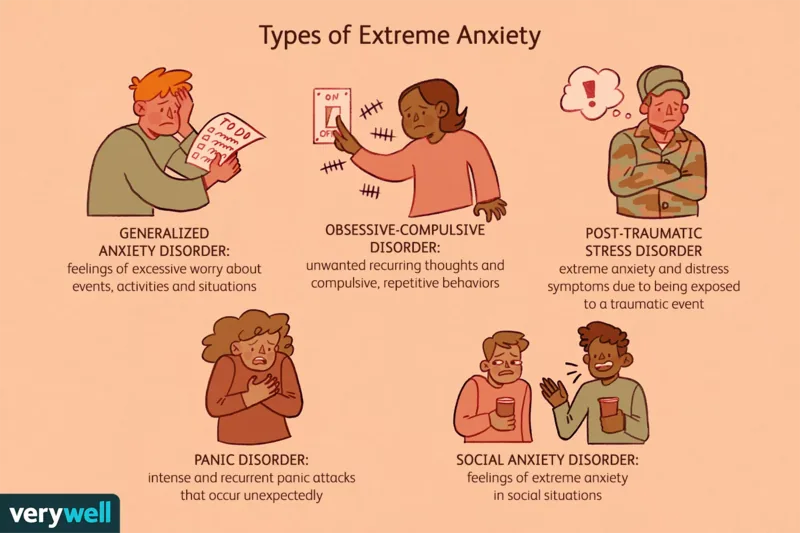
PTSD is rarely an isolated condition after sexual assault; it frequently co-occurs with other mental health disorders. The immense stress and trauma can predispose individuals to a range of additional psychological challenges. Survivors may develop major depression, characterized by persistent sadness, loss of interest, and feelings of hopelessness (Au et al., 2013). Generalized Anxiety Disorder (GAD), marked by excessive and uncontrollable worry, is also common. Other conditions include eating disorders, where individuals use food or eating behaviors to cope with overwhelming emotions, and obsessive-compulsive disorder (OCD). Substance use disorders are also a significant risk, as individuals may self-medicate to numb the pain or escape the intrusive thoughts associated with the trauma (Ullman et al., 2018). The risk for these related conditions is often heightened for those who experienced sexual assault at a younger age, underscoring the critical need for early intervention and comprehensive mental health support to mitigate the cascade of negative effects sexual assault can trigger.
4. Solutions: Proven Treatments for PTSD After Sexual Assault
While the effects sexual assault can be devastating and persistent, it is crucial to understand that recovery is possible. For many survivors, symptoms may gradually subside over time. However, for others, these symptoms can linger or even intensify, necessitating professional intervention. Fortunately, a range of evidence-based treatments has been developed and proven effective in helping survivors manage PTSD and reclaim their lives. These solutions often involve a combination of therapeutic approaches, supportive communities, and personal coping strategies.
4.1 Psychotherapy: Evidence-Based Approaches
Psychotherapy remains the cornerstone of PTSD treatment following sexual assault, with several modalities demonstrating significant effectiveness. These therapies are designed to help individuals process the traumatic experience, challenge maladaptive thoughts, and develop healthier coping mechanisms.
- Cognitive Processing Therapy (CPT): CPT helps survivors directly confront and re-evaluate the unpleasant memories and thoughts linked to the sexual assault. A therapist guides individuals to identify and challenge distorted or problematic thoughts and beliefs that contribute to their PTSD symptoms, such as self-blame or extreme negative views of others. By processing these thoughts, survivors can develop a more balanced and realistic understanding of the trauma, reducing its emotional power.
- Prolonged Exposure Therapy (PE): PE focuses on gradually exposing individuals to trauma-related memories, feelings, and situations they have been avoiding. The core idea is that by repeatedly encountering these feared stimuli in a safe environment, survivors learn that anxiety and fear will naturally decrease over time without actual danger. This can involve imagining the traumatic event in detail, listening to recordings of their narratives, or confronting safe, real-life situations they have been avoiding.
- Eye Movement Desensitization and Reprocessing (EMDR) Therapy: EMDR therapy utilizes rhythmic bilateral stimulation, often through eye movements, to help individuals process traumatic memories. This approach aims to reduce the emotional intensity and vividness of distressing memories, allowing them to be integrated into a more adaptive memory network. While the exact mechanisms are still being researched, EMDR has shown considerable efficacy in treating trauma-related conditions, including PTSD after sexual assault (American Psychological Association, 2023).
These therapeutic approaches can be broadly categorized as “top-down,” focusing on thoughts and behaviors (like CPT and PE), or “bottom-up,” addressing trauma held in the body (like EMDR). Both types offer powerful pathways to healing from the profound effects sexual assault can inflict.
4.2 Support Groups: Community and Connection
Joining an online or in-person support group provides an invaluable opportunity for survivors to connect with others who share similar experiences. These groups offer a safe, confidential space to discuss challenges, share coping strategies, and receive empathetic understanding. In a support group, survivors can develop supportive, trusting, and healthy relationships, countering feelings of isolation and shame that often accompany sexual assault. Such communities foster a sense of belonging and validation, reminding individuals that they are not alone in navigating the impacts of sexual assault. Resources like the RAINN National Sexual Assault Hotline (1-800-656-4673) can also provide confidential support and help locate local assistance.
4.3 Self-Help Strategies: Empowering Daily Coping
Alongside professional therapy and support groups, incorporating self-help strategies into daily life can significantly aid in managing PTSD symptoms and promoting overall well-being. These practices empower survivors to actively participate in their healing journey.
- Nurture Supportive Relationships: Spending quality time with trusted loved ones—family, friends, or partners—can provide comfort and a sense of safety. Engaging in simple activities like walks, coffee dates, or phone calls can reinforce positive connections and reduce feelings of isolation.
- Embrace Relaxation Techniques: Practices such as prayer, meditation, yoga, or progressive muscle relaxation can help calm the nervous system, reduce anxiety, and improve emotional regulation. Regular engagement with these techniques can create a sense of inner peace and control amidst distress.
- Connect with Nature and Movement: Taking regular morning walks or engaging in other forms of outdoor physical activity offers numerous benefits. Fresh air, natural light, and movement can help regulate mood, reduce stress, and improve sleep patterns, mitigating some of the physical effects sexual assault may cause.
- Journaling for Processing: Maintaining a journal provides a consistent and private outlet for expressing thoughts, feelings, and experiences related to the trauma. This practice can help survivors process complex emotions, identify patterns, and gain insight into their healing journey, transforming internal chaos into organized understanding.
By combining these diverse solutions, survivors can build a robust framework for recovery, addressing the multifaceted effects sexual assault and moving towards a future of resilience and well-being.
5. Timeline: The Journey to Healing and Recovery
Healing from sexual assault and the subsequent development of PTSD is not a linear process; it is a journey that unfolds over time, often with varying paces and challenges. While some individuals may experience a gradual reduction in symptoms over months, others may find that the effects sexual assault persist for years without targeted intervention. It is crucial to understand that there is no fixed timeline for recovery, and each survivor’s path is unique, influenced by various factors including the nature of the assault, individual resilience, and access to support.
Immediately after an assault, high levels of distress are common, with symptoms like fear, anger, and anxiety dominating. Within the first few months, many survivors may begin to process the event, but for a significant number, symptoms of PTSD will solidify. These persistent symptoms, if left untreated, can become deeply ingrained, affecting daily functioning, relationships, and overall quality of life indefinitely. The “failures” discussed earlier—chronic physical ailments, sexual health issues, and behavioral problems—can become long-term realities.
However, with effective treatment and consistent support, the trajectory can shift dramatically. Psychotherapy, support groups, and self-help strategies work together to gradually diminish the intensity and frequency of PTSD symptoms. This process involves confronting difficult memories, challenging distorted beliefs, developing healthier coping mechanisms, and rebuilding a sense of safety and trust. Over months and years, survivors can learn to manage triggers, reduce hypervigilance, and foster a more positive self-image. The goal is not to erase the memory of the trauma, but to integrate it into one’s life story in a way that no longer dictates daily existence. Recovery means moving from merely surviving to thriving, where the impacts of sexual assault no longer define one’s identity or limit one’s potential. This journey requires patience, perseverance, and a compassionate understanding of the time it takes to heal.
6. Supporting a Loved One Through Recovery
Witnessing a partner, friend, or family member navigate the effects sexual assault can be incredibly challenging. Your support, however, can be a critical factor in their healing journey. Research indicates that strong social relationships are vital for PTSD recovery, while poor social relationships can impede it (Freedman et al., 2015). Providing compassionate and informed support requires sensitivity, understanding, and a commitment to their well-being.
- Practice Empathetic Listening: Create a safe space where your loved one feels comfortable confiding in you, but never pressure them to share details about their trauma. When they do choose to talk, focus entirely on listening without judgment. Validate their feelings, acknowledging that their reactions are understandable given the circumstances. Phrases like, “I hear you, and it makes sense that you feel that way,” can be incredibly powerful.
- Avoid Blame and Judgment: It is crucial to avoid any language or questions that could imply blame, such as asking “why” certain events happened or focusing on the details of the assault. Survivors often struggle with not being believed or with being shamed for what happened. Your role is to reinforce that the assault was not their fault, under any circumstances, and that you believe them.
- Respect Their Pace and Choices: Even if you strongly believe your loved one should take a particular action, such as reporting the assault to authorities or immediately seeking therapy, it is vital to respect their autonomy. Focus on being supportive of their choices and how they wish to handle the situation. Offering options and resources without imposing them can be empowering.
- Offer Practical Assistance: If your loved one expresses a desire to seek professional help, offer concrete assistance. This could involve helping them research qualified therapists specializing in trauma, making appointments, or even accompanying them to therapy sessions if they wish. Practical support can alleviate some of the burdens associated with navigating the healthcare system while dealing with the profound effects sexual assault.
- Educate Yourself: Learning about PTSD and the consequences of sexual assault can help you better understand your loved one’s experiences and reactions. This knowledge can foster greater empathy and enable you to respond more effectively to their needs.
Remember, survivors often carry immense shame, embarrassment, and guilt. Your unwavering belief, reassurance that it was not their fault, and willingness to listen and help in any way you can, are invaluable gifts that contribute significantly to their healing from the devastating effects sexual assault.
7. Frequently Asked Questions (FAQ)
What is sexual assault?
Sexual assault refers to any type of sexual contact or behavior that occurs without explicit consent. It encompasses a range of actions, including rape, attempted rape, and any unwanted sexual touching or coercion. It is a violation of an individual’s bodily autonomy and can have severe, lasting effects sexual assault can cause.
What is PTSD after sexual assault?
PTSD (Post-Traumatic Stress Disorder) is a mental health condition that can develop after experiencing sexual assault. It involves a set of distressing symptoms like flashbacks, nightmares, avoidance of trauma reminders, negative changes in thoughts and mood, and heightened arousal. These symptoms significantly impact daily life and mental well-being.
How common is PTSD after sexual assault?
PTSD is unfortunately quite common among sexual assault survivors. Studies indicate that a large percentage of individuals meet PTSD diagnostic criteria shortly after an assault, and a significant number continue to experience symptoms even a year later. The traumatic nature of sexual assault makes it a strong predictor for developing PTSD.
What are the long-term effects of sexual assault on physical health?
Beyond PTSD, sexual assault can lead to chronic physical issues such as arthritis, digestive problems, chronic pelvic pain, and increased risk of STIs. The persistent stress from trauma can manifest physically, highlighting the comprehensive impacts of sexual assault on a survivor’s body and mind.
What treatments are available for PTSD after sexual assault?
Effective treatments include various psychotherapies like Cognitive Processing Therapy (CPT), Prolonged Exposure (PE) therapy, and Eye Movement Desensitization and Reprocessing (EMDR) therapy. Support groups and self-help strategies, such as relaxation techniques and journaling, also play a vital role in recovery from the effects sexual assault.
How can I help a loved one coping with sexual assault trauma?
Offer empathetic listening without pressure, avoid blame, and respect their choices about how to proceed. Provide practical help if they seek professional assistance and educate yourself on trauma and PTSD. Your belief and unwavering support are crucial for their healing journey.