In the bustling world of a barbershop, where the hum of clippers often drowns out quiet thoughts, I once believed success was measured by efficiency—the speed of a cut, the number of clients served. But one quiet afternoon, a moment with a regular client named Mr. Hicks revealed a profound truth: why listening matters more than any perfectly executed fade or timely appointment. It's about creating a space where people feel truly heard, a gift far more valuable than any quick fix or piece of advice.
“Most people do not listen with the intent to understand; they listen with the intent to reply.” ~Stephen R. Covey
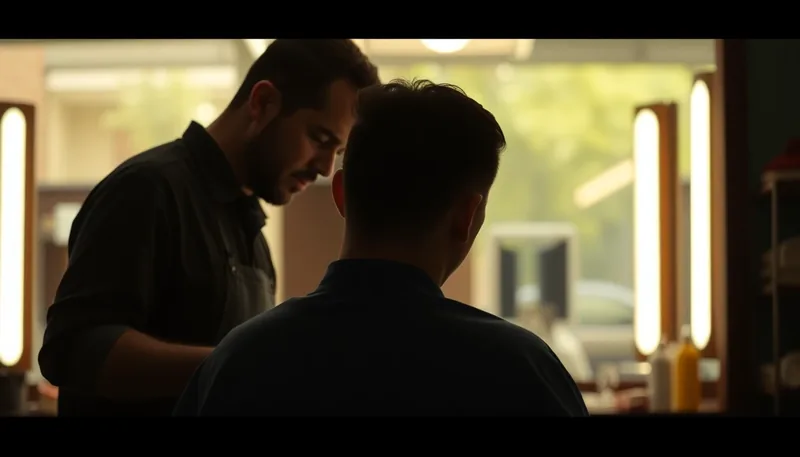
Mr. Hicks arrived unusually subdued, his usual banter replaced by mumbled responses and downcast eyes. My initial instinct was to fill the silence, to offer cheerful distractions or even unsolicited advice. Yet, something urged me to pause. I simply listened, allowing the quiet to settle, resisting the urge to speak unnecessarily as I worked. Minutes later, the dam broke. He began to share the quiet burdens he’d been carrying for months: work pressures, family tensions, and the relentless weight of exhaustion.
The Barbershop Revelation: Beyond the Cut
By the time I finished Mr. Hicks’ haircut, a visible weight had lifted from his shoulders. He looked lighter, calmer, almost relieved. I hadn't offered a single solution or word of wisdom. All I had given him was my undivided attention. That day, the barbershop became a classroom, teaching me that listening is a profound gift, patience a vital practice, and genuine presence can offer a unique form of healing that words often cannot achieve.
This revelation wasn't an isolated incident. Over time, I observed similar transformations with other clients, apprentices, and even in my personal life. Consider a young apprentice grappling with a new technique. My usual approach might have been immediate correction, but instead, I stepped back, observed, and allowed him to struggle a little, creating space for his own discovery. When he eventually sought guidance, the lesson became deeply ingrained, a victory earned through his own perseverance.
In a professional setting, the impact is equally striking. I recall a colleague overwhelmed by a project deadline. Instead of immediately suggesting solutions or delegating tasks, I simply listened to his scattered thoughts and frustrations. It became clear his true blocker wasn't technical skill, but a fear of presenting to a challenging stakeholder. By truly listening, I helped him articulate his anxiety, and together we strategized a presentation approach that built his confidence, proving why listening matters more than just problem-solving (Harvard Business Review, 2024).
The Active Practice of Presence: More Than Just Hearing
Patience, I've learned, isn't merely about waiting; it’s about active presence. It's about fully engaging in the current moment, resisting the impulse to rush to the next item on the agenda. In a high-traffic barbershop, the pressure to maintain speed is constant. Yet, intentionally slowing down and giving someone your full, unhurried attention forges connections that efficiency alone can never build.
I distinctly remember a client who arrived visibly frustrated and tense. Every suggestion I offered seemed to escalate his irritation. Rather than taking offense, I shifted my approach. I began to listen not just to his words, but to the subtle non-verbal cues: the strained tone in his voice, the rigidity in his shoulders, the hesitant movements. As I attuned myself to these deeper signals, he slowly began to relax. By the end of his session, he was calm, smiling, and genuinely grateful. This experience profoundly reinforced that people often need acknowledgment and a safe space to be heard far more than they need advice.
The lessons extend to family dynamics as well. During a tense discussion about holiday plans, my young niece became visibly upset. Instead of dismissing her feelings or trying to rationalize, I simply sat next to her and allowed her to express her disappointment without interruption. She eventually revealed her sadness stemmed from missing a specific, cherished family tradition, not the new plans themselves. This simple act of listening allowed us to find a compromise that honored her feelings, demonstrating the power of deep empathy (Child Development Institute, 2023).
Listening's Ripple Effect: Beyond the Chair
These principles have transcended the barbershop walls, influencing how I interact with friends, family, and even strangers. I now consciously pause before responding, asking myself if I am genuinely listening to understand, or merely formulating my reply. This intentional space allows others to share more openly, fostering deeper, more authentic relationships.
Running a barbershop has instilled in me a deep sense of humility. Not every story is easy to hear, and not every challenge has a clear solution. My role, I've realized, isn't always to fix problems, but to create a sanctuary where people feel seen, understood, and valued. This perspective is central to why listening matters more than direct intervention.
My own personal growth journey has been intertwined with this practice. Early on, I wrestled with impatience, a desire for instant results, and a tendency to overlook the subtle cues from those around me. By focusing on the human element of my work, I've learned to slow down, observe details more carefully, and respond thoughtfully rather than reacting impulsively. This cultivated patience has enriched other areas of my life, from managing stress to navigating conflict and nurturing relationships.
I’ve also discovered that listening is a two-way street; it transforms the listener as much as the speaker. Each narrative I absorb challenges me to view the world through a different lens. I’ve developed an empathy I never knew I possessed, realizing that everyone carries silent burdens, quietly seeking someone willing to simply acknowledge their presence. This awareness has made me a more compassionate individual, both inside and outside the shop.
Sometimes, these profound lessons arrive unexpectedly. I recall a shy teenager, visibly nervous during his first haircut. Instead of pushing conversation, I spoke less, observed more, and simply allowed him the space to acclimate. By the end of the session, he was laughing, joking, and openly sharing stories. That quiet act of patience, giving him room to unfurl at his own pace, underscored that growth often blossoms in small, unassuming moments.
In a community setting, the impact of deep listening can be transformative. At a recent neighborhood association meeting, a heated debate erupted over a proposed community garden. Instead of allowing people to simply argue their positions, I suggested we go around, and each person share their concerns and hopes without interruption. By deeply listening to each perspective, we uncovered shared values beneath the conflict, leading to a collaborative solution no one had initially considered, showcasing why listening matters more for collective problem-solving (Community Engagement Journal, 2024).
Cultivating Deeper Connections: A Lifelong Skill
Ultimately, patience and listening are not passive traits; they are active, conscious choices we make daily. They demand mindfulness, unwavering attention, and the willingness to prioritize another person’s experience above our own immediate urge to act or respond. My journey in the barbershop has profoundly taught me that these choices, consistently practiced, are the bedrock upon which trust is built, relationships deepen, and genuine human connection flourishes.
If there is one enduring takeaway I can offer, it’s this: slow down, be truly present, and listen. Whether you find yourself in a barber’s chair, a living room, or a bustling workplace, offering someone your full, unreserved attention is a rare and invaluable gift. You don’t need specialized training or expert credentials; only the willingness to be patient, to observe, and to genuinely seek understanding. The profound lessons you absorb, and the personal growth you experience, will resonate long after the conversation concludes, solidifying why listening matters more than anything else.