For most of my career as a podiatrist and foot and ankle surgeon, I believed healing was a straightforward process: diagnose, treat, and recover. My medical training instilled a methodical approach, focusing on visible injuries and textbook solutions. However, life, and the complex individuals I encountered, quickly taught me that the profound truth about healing I had yet to grasp extended far beyond clinical protocols. True healing, I've come to understand, often begins not with a prescription, but with genuine human connection, acknowledging unseen pain, and embracing vulnerability.
The Unseen Dimensions of Pain
My early practice was defined by efficiency and expertise. I treated torn ligaments, crushed bones, and stubborn wounds, confident in my ability to mend what was physically broken. Yet, a recurring pattern emerged: some patients, despite receiving impeccable medical care, simply weren't improving. I recall a woman in her mid-sixties, battling chronic diabetic foot ulcers that defied every conventional treatment. We followed every protocol—special dressings, offloading, antibiotics, regular check-ups—but her wounds remained stubbornly open. Frustration mounted, and I began to question my own competence.
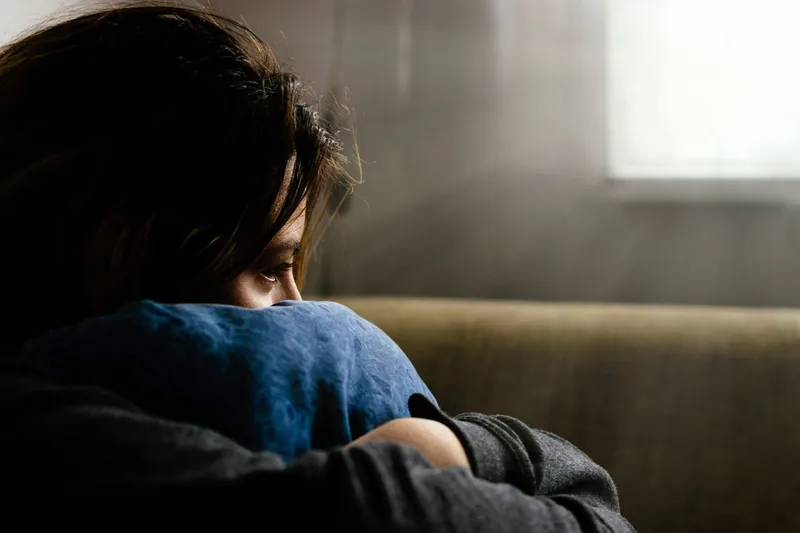
Then, one quiet afternoon, she confessed softly, “Sometimes, I don't even want them to heal.” Her words were a revelation. Her husband had passed away, and these appointments were among the few times someone truly saw her, looked her in the eye, and inquired about her well-being. Her physical wounds, in a heartbreaking way, provided a reason for connection. This profound insight revealed a deeper truth about healing I had overlooked: pain isn't always physical, and the deepest wounds are often the quietest, hidden beneath layers of grief, loneliness, or unspoken fear. Research consistently shows that social isolation can significantly impede physical recovery and overall health (Mayo Clinic, 2023).
This wasn't an isolated incident. I later treated a construction worker with persistent lower back pain that baffled specialists. Despite numerous scans and physical therapy, his condition worsened. It wasn't until I truly listened that he revealed immense stress from an impending layoff and a deep fear of failing his family. Addressing his emotional burden, alongside physical therapy, finally led to a breakthrough in his recovery. The body and mind are intricately linked, and emotional distress can manifest as chronic physical symptoms (Harvard, 2024).
Beyond the Diagnosis: Embracing Vulnerability
My medical residency had trained me to be composed, efficient, and resilient—a shield against the emotional toll of the profession. Vulnerability was seen as a weakness, perfectionism a virtue. I wore my professional armor proudly, pushing through fatigue and emotional dryness. But beneath that polished exterior, I felt increasingly disconnected from the very human element that had drawn me to medicine. I was treating body parts, but losing sight of the whole person, including myself.
It was through witnessing the invisible suffering of my patients—the shame, the anxiety, the profound loneliness—that I began to acknowledge the unspoken ache within myself. Not a textbook burnout, but a subtle longing for wholeness. I had patients apologize for “wasting my time” with their emotional stories, as if their suffering wasn't worthy of attention. This echoed my own internal narrative of needing to be “strong.”
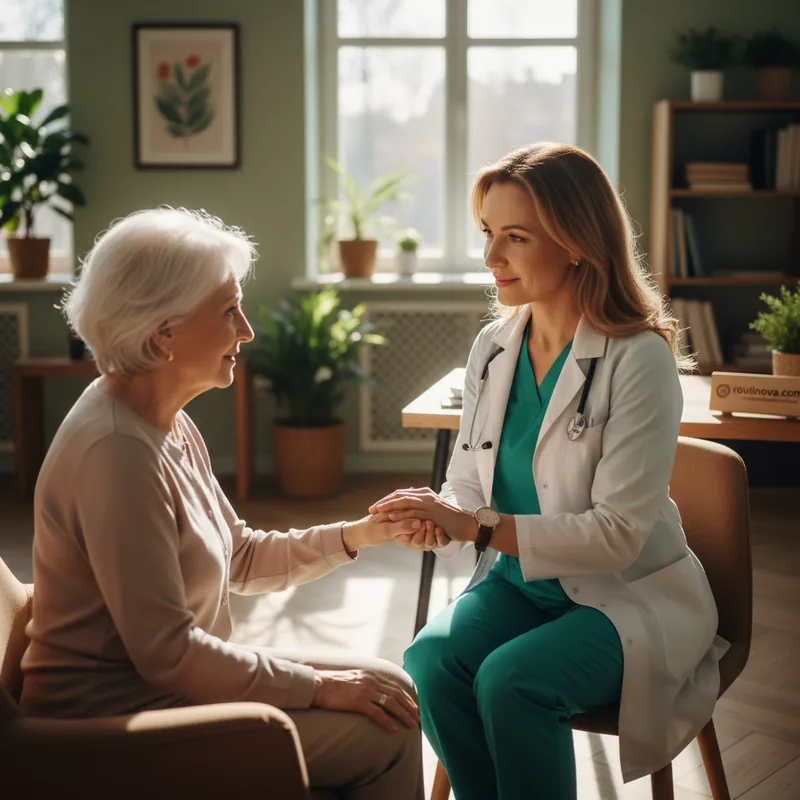
Slowly, I began to shift my approach. I stopped rushing. I started listening more intently, asking not just “How is your foot?” but “How are you, really?” This simple question, delivered with genuine presence, created a space for vulnerability. As I offered this space to others, I found myself beginning to extend it to myself. This shift revealed a deeper truth about healing I had overlooked for too long: authentic connection is a powerful catalyst.
I started journaling again, allowing myself to process emotions I had long suppressed. I made peace with taking time off, understanding that rest was not a luxury but a necessity. Reconnecting with friends and seeking therapy, not in crisis but out of curiosity for my neglected inner world, became vital steps. This personal journey underscored that healing isn't always about fixing what's broken; sometimes, it's about acknowledging what hurts, even without a clear diagnosis.
The Profound Power of Presence
Healing, I've learned, is rarely linear. Patients don't just want to be fixed; they yearn to be seen. I once encountered a young woman recovering from a complex ankle fracture. While physically progressing, her motivation for rehab was low due to intense anxiety about her future. By addressing these fears, validating her feelings, and connecting her with a support group, her physical recovery accelerated dramatically. This was the real truth about healing I was beginning to understand.
In medical school, we are trained to be experts, to have all the answers. But real healing often transcends the sterile confines of the exam room. It happens in those quiet moments of shared understanding, when roles dissolve, and two human beings simply see each other. I've stopped pretending to have it all together, embracing honesty with myself and my patients. They sense this authenticity, and I believe it fosters a deeper trust—not because I am flawless, but because I am real.
“The wound is the place where the Light enters you.” ~Rumi
My journey continues to reveal the rich truth about healing I will always be exploring. It's a continuous lesson in humanity, taught not just through textbooks, but through the courage and vulnerability of every patient who has allowed me to witness their full story. Presence, I've found, heals far more profoundly than mere performance.