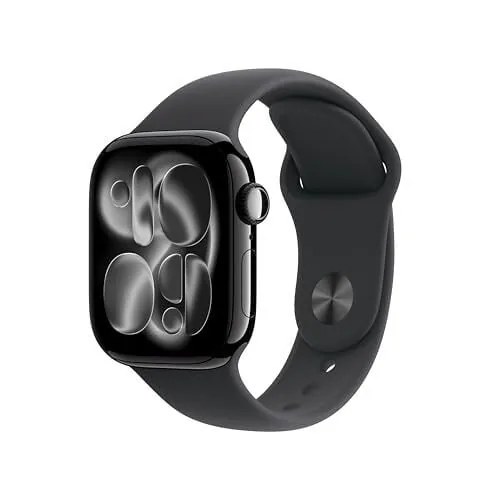
The alarm blares, but before you even swing your legs out of bed, your smartwatch subtly vibrates. A quick glance reveals a number: 58 bpm. Is that good? Bad? You've heard that a lower resting heart rate is generally better, a sign of a strong cardiovascular system. But what does that number actually mean for you, especially when it fluctuates from day to day? Understanding your resting heart rate (RHR) is more than just a vanity metric; it's a powerful window into your body's well-being, offering clues about stress, recovery, and overall health.
What is a Healthy Resting Heart Rate?
Medically speaking, a normal resting heart rate for adults typically falls between 60 and 100 beats per minute (bpm). This is the benchmark often cited by healthcare professionals, usually measured in a clinical setting where factors like nervousness or being fully awake might slightly elevate the reading (Mayo Clinic, 2023). However, the devices most of us use daily - smartwatches, fitness trackers, and smart rings - can often capture even lower numbers, particularly when worn during sleep. This is where things get interesting, as your personal RHR might naturally sit below the standard 60 bpm threshold.
Many users of advanced wearables like Oura or Whoop, often popular with athletes and the health-conscious, report consistently lower RHRs. This isn't necessarily because their devices are faulty; it's often a reflection of their commitment to fitness and well-being. If your wearable shows a number below 60 bpm, it's not cause for alarm. In fact, for many, a lower resting heart rate is usually a good indicator of improved cardiovascular fitness (American Heart Association, 2024).
Interpreting Your RHR Trends
Think of your RHR as a subtle messenger from your body. While a consistently low rate might suggest excellent cardiovascular health, short-term fluctuations can tell a story. For instance, a slight increase from your baseline - perhaps a few beats per minute higher than usual - could signal that your body is under stress.
This stress isn't always about intense workouts. It can manifest in various ways:
- Mental or Physical Fatigue: Pushing yourself too hard in training or experiencing a particularly demanding week at work can elevate your RHR.
- Illness on the Horizon: Your body often signals an impending cold or flu by increasing its resting heart rate as it prepares to fight off infection.
- Hormonal Shifts: For individuals with a menstrual cycle, hormonal changes, particularly during the follicular phase, can influence RHR.
- Medication Effects: Certain medications, including some stimulants or decongestants, can have a direct impact on your heart rate.
- Disrupted Sleep: Consuming alcohol late at night or experiencing poor sleep quality can lead to a higher RHR reading the following day, especially if your device measures during sleep.
The key is not to panic over a single elevated reading. Your RHR is dynamic. A temporary spike that returns to your normal range within a few days is usually not a concern. However, if you notice your resting heart rate remaining significantly elevated for weeks on end, it might be worth consulting a healthcare professional to rule out underlying issues (Cleveland Clinic, 2023).
The Pitfalls of Comparison
It's incredibly tempting to compare your RHR to friends, colleagues, or even online benchmarks. You might see someone with a resting heart rate of 50 bpm and feel yours is inadequate. But here's the truth: comparing your RHR to others is largely unhelpful. Our bodies are unique, and what's healthy for one person may not be for another.
Several factors contribute to these individual differences:
- Genetics: Just like eye color or height, your natural heart rate can be influenced by your genes.
- Body Size: Smaller individuals often have slightly higher resting heart rates, which is partly why average RHRs can differ between sexes.
- Age: Heart rate can fluctuate throughout the lifespan, often increasing slightly in early adulthood before stabilizing.
- Medications and Health Conditions: Pre-existing health issues or ongoing medication regimens can significantly impact your RHR.
- Device Variability: Different wearable devices can report RHR with varying degrees of accuracy and may use different algorithms, leading to discrepancies. One study showed a difference of up to 10 bpm between devices in the same individual (TechCrunch, 2023).
Instead of chasing a specific number, focus on your personal trends. Is your RHR gradually decreasing as you improve your fitness? Are you noticing temporary increases that correlate with stress or illness, and do they resolve? These are the insights that truly matter. Your RHR is a personal metric, best used to understand your own body's responses and guide your health habits. If you ever have concerns about your heart rate, remember that a medical professional is always your best resource.





:max_bytes(150000):strip_icc()/GettyImages-1295196613-f368121782074ee88119c998221059c8.jpg)