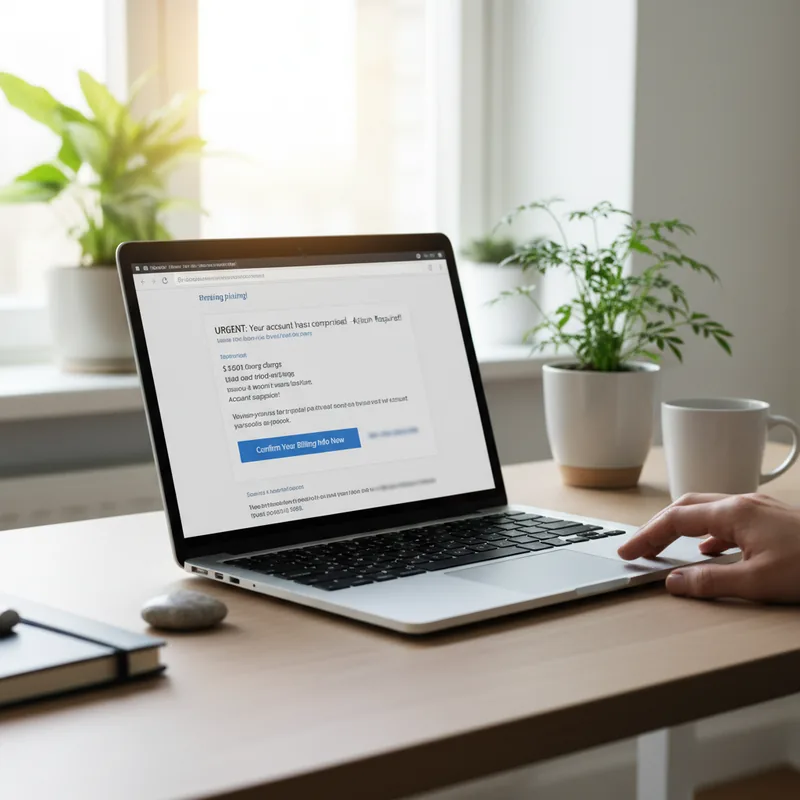
Did you know that over 85% of cyberattacks involve phishing, with many now originating from seemingly legitimate sources? (Cybersecurity Ventures, 2023) One particularly insidious example highlights how this phishing scam comes directly from a verified Microsoft email address, exploiting a trusted feature to ensnare unsuspecting users. This sophisticated tactic bypasses traditional spam filters, making it crucial to understand the subtle red flags.
How This Phishing Scam Comes to Life
The core of how this phishing scam comes to life involves Microsoft Power BI, a legitimate business analytics platform. Scammers abuse a subscription management feature within Power BI to dispatch emails from [email protected], an address Microsoft itself recommends adding to your allow list. This clever manipulation allows fraudulent messages to land directly in your inbox, appearing as if they are genuinely from Microsoft.
Recipients of this phishing scam comes with alarming fake billing receipts, often showing substantial, unauthorized charges from popular services like PayPal, Norton LifeLock, or even Microsoft 365. These emails invariably include a phone number, urging the user to call immediately to dispute the transaction. Engaging with these numbers can lead to scammers attempting to install remote access software on your device or coercing you into revealing sensitive personal information (Consumer Reports, 2024).
Spotting the Deception
Despite the legitimate sender address, these fraudulent emails often contain glaring red flags. Look for numerous typos, grammatical errors, and urgent calls to action that feel out of place or unrelated to your actual subscriptions. While many users might instinctively spot these anomalies, the sheer volume and seemingly authentic origin of these messages can still catch some off guard, capitalizing on trust and fear.
This tactic is not new; similar methods explain how this phishing scam comes from other reputable platforms. Beyond the Microsoft Power BI exploit, we've seen how this phishing scam comes from seemingly official Apple ID security alerts, fake Amazon order confirmations, and even bogus bank notifications, all leveraging loopholes in legitimate communication systems. For instance, some fraudulent purchase notifications have abused subscription billing features on platforms like PayPal, while others have registered convincing subdomains via services like Google Sites (TechCrunch, 2023).
To safeguard your digital life, always exercise extreme caution. Never call a number or click a link from an unsolicited email, regardless of how legitimate the sender appears. Instead, independently verify any suspicious activity by logging directly into your account on the official website or contacting the company via their publicly listed customer service channels. Your vigilance is your strongest defense against these evolving threats.