We live in an era obsessed with self-care and authentic expression, yet a profound paradox persists: the very act of reaching out for help often feels like an insurmountable hurdle. In an age of vulnerability, where personal struggles are openly discussed on podcasts and in bestsellers, asking for practical support remains surprisingly difficult for many. This isn't due to a lack of compassion in others, but rather a complex interplay of psychological barriers and a societal shift towards transactional relationships that erode our sense of belonging.
For too long, our culture equated self-reliance with moral virtue, making any request for assistance feel like a weakness. Even as we embrace vulnerability, the deep-seated fear of being perceived as incompetent or a burden can prevent us from seeking the very support we need. Understanding this dynamic is crucial to fostering genuine connection and well-being.
The Hidden Costs of Seeking Support
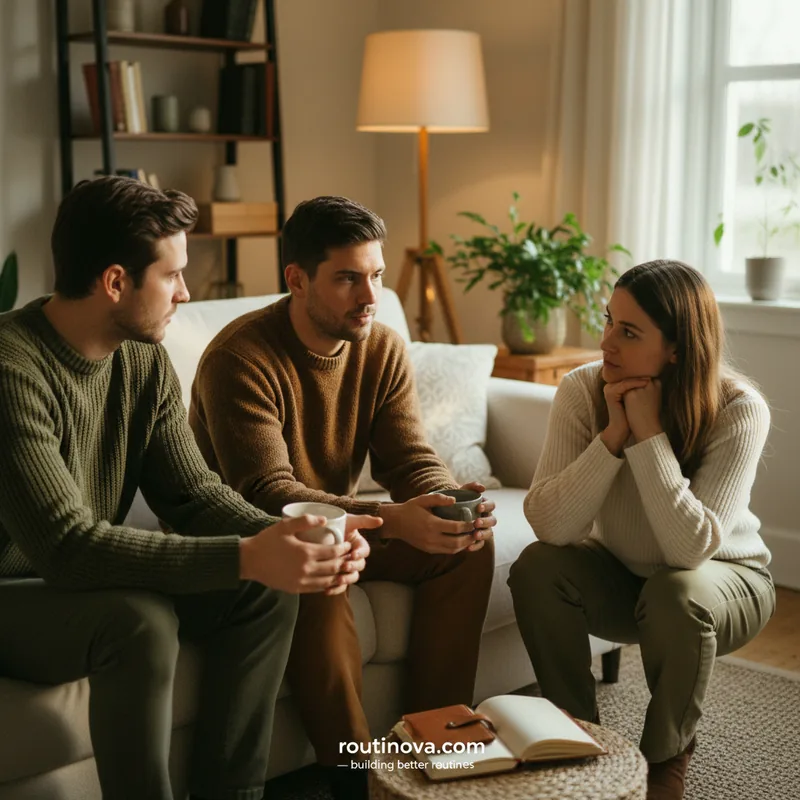
Despite the widespread embrace of vulnerability in public discourse, the private act of asking for help often triggers a cascade of anxieties. To admit, “I’m struggling,” requires immense honesty. To follow with, “Can you help me?” demands time, attention, and effort from another, risking inconvenience or even outright rejection. This can feel like a fundamental shift in status, where the helper remains capable while the person receiving aid feels momentarily “needy.”
Psychological research consistently shows that asking for help can threaten an individual’s self-esteem, implying a loss of control or perceived inferiority (Journal of Social Psychology, 2023). Many harbor a quiet dread of being judged as less capable or overly dependent. This fear is exacerbated by a societal narrative that often champions rugged individualism, making any deviation from self-sufficiency feel like a personal failing.
Beyond self-esteem, a modern concern often stems from the belief that others are simply too busy or overcommitted. We hesitate to add to someone else’s plate, fearing we might become a burden. This sentiment is particularly dangerous in extreme cases, with research on mental health highlighting that feeling like a burden is a significant factor in why individuals stop reaching out for critical support (Routinova Wellness Institute, 2024). This everyday reluctance to seek assistance doesn't just impact crises; it degrades our quality of life and contributes to the growing epidemic of loneliness.
However, there's encouraging news: our assumptions about others' willingness to help are often profoundly mistaken. Studies published in the Journal of Personality and Social Psychology reveal that people consistently underestimate—by as much as 50 percent—how likely others are to comply with a direct request for help. Conversely, potential helpers often underestimate the discomfort and embarrassment involved in asking. This creates a silent disconnect: those who need support hold back, while those who could offer it assume they would have been asked if help were truly needed.
Beyond Transactions: Embracing Reciprocity
To truly address the crisis of belonging in an age of vulnerability, we must fundamentally rethink our approach to asking for and offering help. Modern life often interprets assistance through a scorekeeping lens: who owes whom, who has given too much, what constitutes fair exchange. This mindset is understandable in a world where time feels scarce and many feel perpetually behind. Under pressure, the logic of the marketplace can subtly infiltrate our personal relationships, making the “don’t owe anyone” instinct appear almost ethical.
Behavioral economics illustrates how quickly this transactional frame can alter behavior. In a classic field experiment in Israeli daycares, introducing a small fine for late pickups paradoxically led to an increase in late pickups. The fine transformed a moral obligation into a monetary transaction. Parents stopped feeling, “I’m inconveniencing a teacher,” and started thinking, “I’m paying for extra time.” When the frame shifts from social to monetary, the underlying behavior changes dramatically.
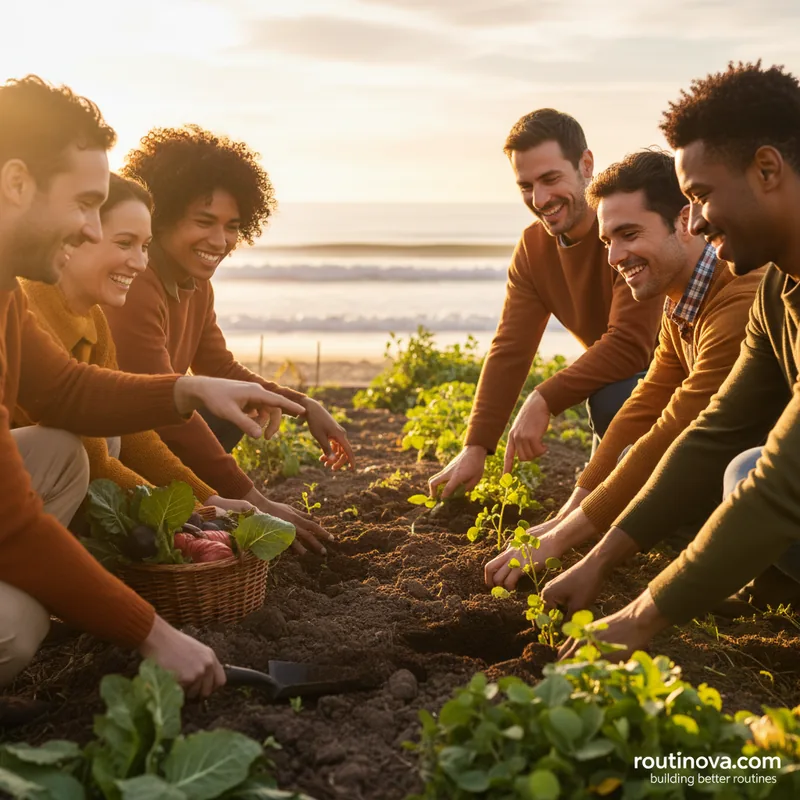
This transactional scorekeeping turns genuine care and support into a form of accounting, which is antithetical to the very essence of belonging. Belonging thrives on the opposite premise: that people are allowed to need, and allowed to be temporarily out of balance. This grace is what makes life humane. The true alternative to transaction is reciprocity: a living, evolving relationship where individuals take turns carrying weight over time. Reciprocity isn't about rigid balancing of payments in the moment; it's about continuity and trust built across uneven seasons. The gift of support keeps moving.
What does practical reciprocity look like in an age of vulnerability? It’s a neighbor saying, “I’ll pick up your groceries today, and I know I can count on you when my car is in the shop next month.” It’s a colleague offering to cover a demanding project deadline, knowing that the favor will be returned during their own intense period, without a meticulous ledger of hours. It’s friends who don't tally who texted first, who hosted the last dinner party, or who needed more emotional support this year (Harvard Health, 2024). The goal isn't immediate equilibrium, but rather sustaining a strong, supportive relationship over the long term. This is the enduring game of community.
Cultivating a Culture of Authentic Care
To foster a world where help is easier to ask for and offer, we must actively challenge the transactional mindset. This means consciously reframing our interactions from scorekeeping to genuine reciprocity. It involves recognizing that everyone, at some point, will be both a giver and a receiver of support. Embracing this fluidity strengthens our social fabric and deepens our connections.
Consider a new parent overwhelmed with childcare, hesitant to ask for a few hours of babysitting. A reciprocal approach means a friend proactively offering, “I’d love to watch your little one for an afternoon; I remember how tough those early days were, and I know you’ll be there for me when I need a hand down the line.” Or a homeowner facing a daunting repair might find it easier to accept help from a neighbor who has previously received assistance with yard work, understanding that the exchange is part of an ongoing relationship, not a one-off debt.
Ultimately, navigating life in an age of vulnerability requires us to cultivate empathy, both for ourselves and for others. It means acknowledging the discomfort of asking while also trusting in the inherent generosity of human connection. By valuing the enduring power of reciprocity over the fleeting nature of transactions, we can build communities where asking for help isn't a sign of weakness, but a testament to our shared humanity and our collective strength.