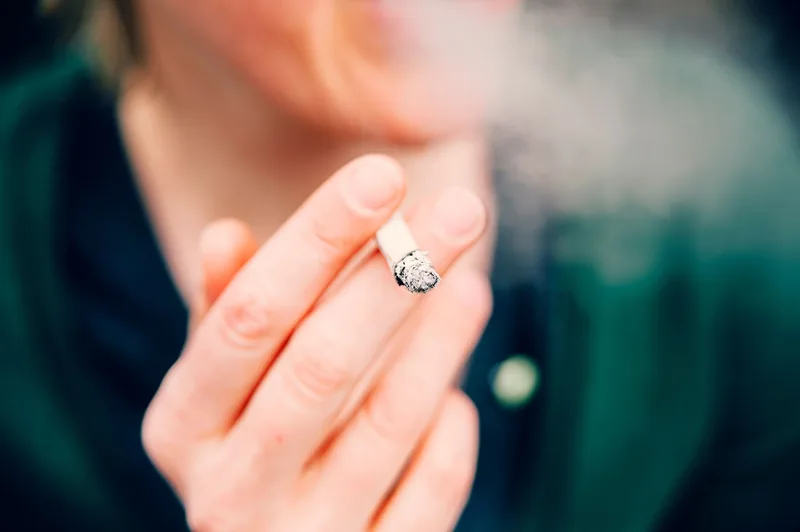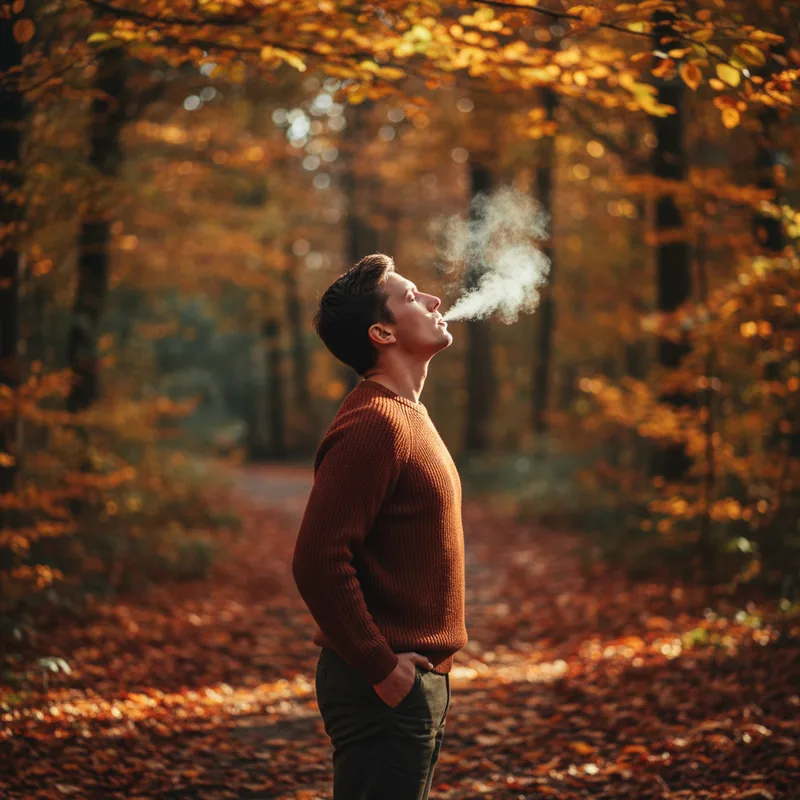
Everything you thought about reversing smoking damage is about to be challenged. When you decide to stop smoking, what happens to your body is nothing short of remarkable--a profound journey of healing and restoration that begins almost immediately and continues for years. Within minutes of your last cigarette, your heart rate and blood pressure start to normalize, setting the stage for significant health improvements. This journey is not just about stopping a habit; it's about reclaiming your health and vitality, offering profound benefits that extend far beyond what many might expect.
Reclaiming Your Health: Immediate Benefits
The decision to quit smoking is one of the most impactful choices you can make for your well-being. Far from being an irreversible assault, your body possesses an incredible capacity for self-repair. The sooner you extinguish that last cigarette, the greater the health dividends, affecting not just physical systems but also your mental and emotional state (American Cancer Society, 2022).
Quitting is not just about avoiding future illness; it's about actively enhancing your current quality of life. Many ex-smokers report a profound improvement in their daily experiences, from clearer senses to increased vitality. The benefits extend beyond the purely medical, touching every aspect of your lifestyle.
- Enhanced senses: Your ability to taste food and smell aromas improves dramatically. Imagine truly savoring your morning coffee or appreciating the scent of fresh rain.
- Fresher presence: The pervasive odor of cigarette smoke vanishes from your hair, breath, and clothes, making social interactions more pleasant.
- Financial freedom: The money saved from not buying cigarettes can quickly accumulate, freeing up funds for hobbies, travel, or other personal goals. For example, saving $10 a day equates to over $3,600 a year.
- Improved appearance: Less yellowing of teeth and fingernails contributes to a brighter, healthier look. Your skin tone can also improve as circulation gets better (Mayo Clinic, 2023).
- Increased stamina: Everyday activities become less strenuous, allowing you to walk further, climb stairs with ease, or even enjoy a casual jog without feeling winded.
The Healing Timeline: What Happens to Your Body
Understanding the timeline of recovery can be a powerful motivator. Witnessing these milestones can reinforce your commitment and provide tangible proof of your body's incredible resilience. Each step forward is a victory in your journey to a smoke-free life.
First 24 Hours: The Rapid Reset
The initial changes are surprisingly swift. Within just 20 minutes of quitting, your heart rate and blood pressure begin to drop, and circulation starts to improve as blood vessels relax. Your body temperature in your hands and feet returns to normal.
After eight hours, the carbon monoxide levels in your blood decrease, allowing oxygen levels to normalize. This means more vital oxygen reaches your cells and tissues. Crucially, within 24 hours, your risk of a heart attack begins to significantly decline (Cleveland Clinic, 2023).
Within 72 Hours: Withdrawal Peak and Sensory Return
The 48-hour mark brings a remarkable improvement: your nerve endings, damaged by smoke, begin to heal, leading to a noticeable sharpening of your senses of taste and smell. Food tastes richer, and everyday scents become more vibrant.
This period also marks the peak of nicotine withdrawal symptoms, which can include irritability, anxiety, and strong cravings. While challenging, these symptoms are a sign that your body is actively ridding itself of nicotine and starting to rebalance (CDC, 2023).
Two Weeks to Three Months: Sustained Progress
As withdrawal symptoms gradually subside, you'll start to feel more settled in your smoke-free life. By the end of six weeks, many of the acute withdrawal symptoms like anger, depression, and insomnia have largely disappeared.
Around the three-month mark, significant cardiovascular improvements occur. Your body's circulation continues to improve, making physical activity much easier to tolerate. Lung function also sees continued gains, allowing for deeper breaths and increased stamina. This is when many people notice they can enjoy activities like a brisk walk or even a short run without the previous level of breathlessness.
Six Months to One Year: Deeper Restoration
Between six and nine months, the tiny, hair-like cilia in your respiratory tract, responsible for clearing mucus and debris, begin to regrow and regain function. This process can sometimes lead to increased coughing as your lungs actively clear themselves, but it's a positive sign of healing.
By the one-year anniversary of quitting, your risk of heart attack and stroke is cut by approximately half. For individuals with chronic obstructive pulmonary disease (COPD), lung function may continue to improve, though the extent varies based on the severity of the condition and ongoing treatment (National Heart, Lung, and Blood Institute, 2023).
Beyond One Year: Long-Term Transformation
The health benefits of quitting smoking continue to accumulate over time, offering a profound return on your investment in health:
- 5-10 years: Your stroke risk is significantly reduced, and your chance of developing certain cancers, such as oral, throat, and esophageal cancers, is halved (American Cancer Society, 2022).
- 10 years: Your risk of lung cancer drops to about half that of a current smoker. This remarkable reduction highlights the body's enduring capacity for recovery.
- 15 years: Your risk of coronary heart disease becomes similar to that of someone who has never smoked. This demonstrates the near-complete reversal of one of smoking's most severe impacts.
The long-term outlook is highly dependent on factors like how long and how much you smoked, your age when you quit, and your overall health behaviors. Quitting at a younger age offers the most significant advantages for reducing future health risks.
Your Lungs: Recovering After Smoking
While some structural damage from smoking to the lungs may be permanent, the functional improvements are substantial. The cilia, essential for lung cleansing, return to normal function within one to twelve months, leading to better clearance of irritants and reduced infection risk (American Lung Association, 2023).
For individuals with COPD, quitting smoking often leads to fewer exacerbations--those acute episodes of breathing difficulty--significantly improving their quality of life. It's important to understand that while your lungs will heal as much as they can, ongoing medical management may still be necessary for pre-existing conditions.
Can You Cleanse Your Lungs After Quitting?
There's no magic "detox" product that can instantly cleanse your lungs after smoking. Your lungs are remarkably self-cleaning organs, and their healing process begins naturally the moment you stop inhaling smoke. The extent of this natural healing depends on individual factors like the duration of smoking and existing lung damage.
However, you can support your lungs' natural recovery and protect them moving forward:
- Maintain cessation: The single most crucial step is to remain smoke-free.
- Regular exercise: Physical activity strengthens your heart and lungs, enhancing oxygen delivery throughout your body. Imagine being able to run a 5k without constant breathlessness, a tangible example of improved lung capacity.
- Avoid pollutants: Minimize exposure to secondhand smoke, air pollution, and environmental irritants.
- Stay hydrated: Adequate water intake supports overall bodily functions, including optimal lung performance (Harvard Health, 2024).
Addressing Common Concerns
Many individuals have questions about the various changes that occur after quitting. Understanding these aspects can provide clarity and further motivation.
Weight Gain After Quitting
It's common for individuals to gain an average of five to ten pounds in the first few months after quitting. This can be due to changes in metabolism, increased appetite, or using food as a coping mechanism for cravings (National Library of Medicine, 2023). To minimize this, focus on a balanced diet, stay hydrated, and find healthy ways to manage stress, such as light exercise or meditation.
What Happens to Your Skin?
Quitting smoking significantly rejuvenates your skin. Improved circulation means more oxygen and nutrients reach your skin cells, leading to a healthier complexion, better elasticity, and a reduction in premature aging signs like wrinkles. Many ex-smokers report a more youthful appearance and a clearer, more vibrant skin tone (Journal of Pathology, 2020).
Quitting Smoking and Vaping
Some people consider vaping as a tool to quit traditional cigarettes. While some research suggests e-cigarettes might be effective for cessation when combined with behavioral support, it's crucial to understand that vaping carries its own set of health risks and can be highly addictive (New England Journal of Medicine, 2019). If you're exploring cessation methods, consult your healthcare provider to discuss the safest and most effective strategy for you.
Empowering Your Quitting Journey
The journey to becoming smoke-free is a testament to your strength and commitment to a healthier future. Remember that every minute, every hour, and every day without a cigarette brings profound benefits. Seek support from friends, family, or professional resources, and celebrate each milestone along the way.
Understanding what happens to your body when you quit smoking transforms the daunting challenge into an empowering process of self-healing and renewal. Embrace the changes, and look forward to a life filled with improved health, vitality, and freedom.