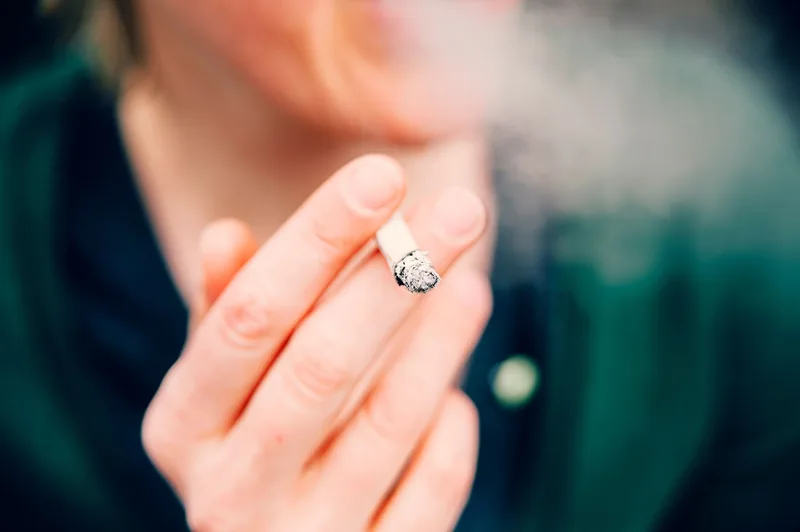
We've all heard the warnings, seen the grim statistics, and understood the health risks. Yet, for many, the act of smoking still carries a perplexing sense of comfort, even happiness. This isn't just a habit; it's a complex, often bewildering connection. But here's the uncomfortable truth: that fleeting pleasure isn't real joy; it's a carefully constructed illusion by nicotine, trapping you in a toxic relationship with nicotine addiction. Understanding this manipulation is your first, crucial step towards freedom.
The Deceptive Embrace: Why Nicotine Feels Good (at First)
It's easy to believe that smoking brings genuine pleasure. You light up, feel a rush, and the world seems to settle, if only for a moment. But what's really happening inside your brain is a carefully orchestrated chemical deception. This isn't about true happiness; it's about a substance hijacking your natural reward system, creating a cycle that feels good simply because it's alleviating the discomfort it caused in the first place.
Nicotine's Chemical Trick: The Dopamine Rush
When you inhale nicotine, it doesn't just enter your lungs; it rushes to your brain, triggering an immediate release of dopamine. This neurotransmitter is famously known as the "feel-good" hormone, responsible for feelings of pleasure and reward. It's the same chemical surge you get from eating delicious food or achieving a goal. Your brain registers this as a positive experience, creating a powerful association between smoking and feeling good (NIDA, 2024).
Here's where it gets tricky: the effects of nicotine are incredibly short-lived. That dopamine rush fades quickly, leaving your brain craving more. This rapid decline forces you into a cycle where you need to smoke more frequently to chase that initial feeling. Over time, your brain adapts, requiring even more nicotine to achieve the same effect - a phenomenon known as tolerance. This constant escalation is a clear sign that the initial 'pleasure' is a fleeting illusion, not sustainable joy.
The Cycle of Depletion: Constant Withdrawal
What most people don't realize is that much of the 'pleasure' from smoking comes from simply alleviating withdrawal symptoms. From your first cigarette of the day to your last, you're likely living in a near-constant state of nicotine depletion. As soon as you extinguish a cigarette, nicotine levels in your bloodstream begin to drop.
Within as little as 30 minutes, you might start feeling irritable, anxious, or restless - classic signs of nicotine withdrawal. So, you light another cigarette. Within a few puffs, the nicotine re-engages those dopamine receptors, and the discomfort eases. That's the 'comfort' you feel. It's not a genuine positive feeling, but the temporary relief from an artificial need that nicotine itself created. This cycle, a classic hallmark of any toxic relationship with nicotine addiction, leaves you feeling dependent, constantly chasing a fleeting sense of normalcy.
Conditioning Your Comfort: Triggers and Habits
Beyond the chemical dependency, smoking becomes deeply ingrained in your daily life through conditioning. Over time, the act of smoking attaches itself to nearly every emotion, event, and routine. Your brain learns to associate nicotine with specific situations, turning them into powerful triggers (NIH, 2024).
Think about it: do you reach for a cigarette after a meal? While driving? During a stressful phone call? When you're bored, or even after a long, intense meeting? These aren't just habits; they're deeply wired neural pathways. The brain associates these emotional and situational cues with the dopamine hit, reinforcing the craving and making it feel like an inseparable part of your existence. This emotional attachment can make quitting feel like losing a companion, even though that companion is actively harming you.
Unmasking the Toxic Relationship with Nicotine Addiction
Calling it a 'toxic relationship' isn't just a metaphor; it's an accurate description of how nicotine interacts with your life. Just like a manipulative partner, nicotine promises comfort and pleasure, but delivers dependency, health decline, and a constant demand for your attention and resources. It isolates you, controls your moods, and convinces you that you can't live without it.
This isn't just a bad habit; it's a full-blown toxic relationship with nicotine addiction, where the substance dictates your moods and choices. It drains your energy, compromises your health, and slowly diminishes your quality of life. While the immediate effects of heart disease and lung cancer might seem distant, smoking immediately impacts your heart rate and blood pressure, damaging nearly every organ in your body from the very first puff (CDC, 2024). Recognizing the manipulative patterns of this toxic relationship with nicotine addiction is the first step towards breaking free.
Reclaiming Your Freedom: A Roadmap to Quitting
Breaking free from any toxic relationship requires courage, a plan, and unwavering support. Overcoming nicotine addiction is no different. It's a journey, not a single event, and it's entirely possible to regain control and live a smoke-free life.
Crafting Your Escape Plan
Success in quitting often starts with a clear, actionable plan. Don't just wish to quit; decide how you'll do it. Choose a specific quit date - mark it on your calendar. Before that date, remove all tobacco products from your home, car, and workplace. Reflect on past attempts: what worked, what didn't? Use those lessons to refine your current strategy (ACS, 2024).
Some people opt for the "cold turkey" approach, stopping completely on their quit date. Others prefer to taper off, gradually reducing the number of cigarettes they smoke each day until they reach zero. There's no single right way, only the way that works best for you. The key is to commit to your chosen method.
Building Your Support Network
You don't have to do this alone. Enlisting the support of family and friends significantly boosts your chances of success. Let your loved ones know your goal and ask for their understanding and encouragement. If you have friends who still smoke, ask them to avoid smoking around you or to meet in smoke-free environments like parks or cafes (Soulakova et al., 2018).
Beyond personal connections, numerous professional resources are available. Organizations like the National Cancer Institute offer free quitlines (e.g., 1-877-44U-QUIT) and online chat services, providing instant access to trained specialists who can offer guidance and motivation. Lean on these resources; they are there to help you navigate the challenges.
Leveraging Quit Aids and Modern Science
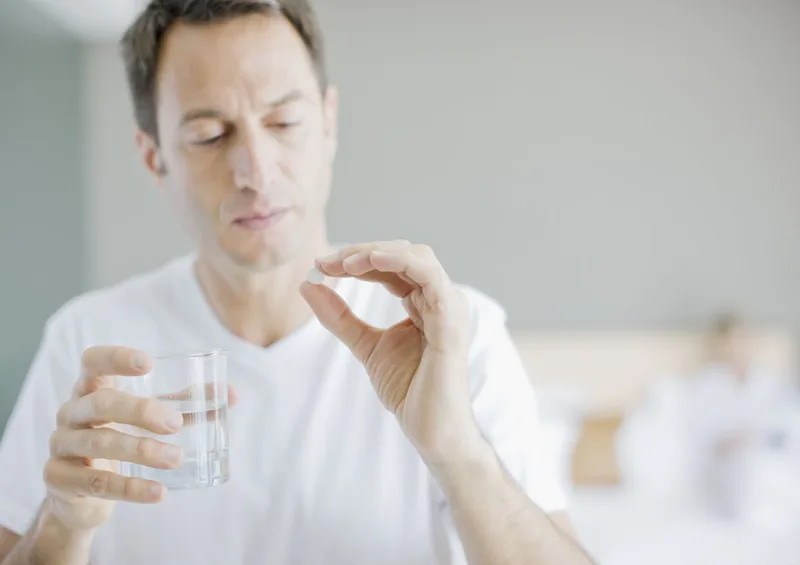
For many, quit aids, also known as nicotine replacement therapies (NRTs), can be invaluable. NRTs deliver nicotine to your body without the harmful chemicals found in cigarettes, helping to reduce withdrawal symptoms and cravings. These can include over-the-counter options like patches, lozenges, and gum, or prescription-strength inhalers and nasal sprays (Wadgave & Nagesh, 2016).
Additionally, your healthcare provider can discuss prescription medications that don't contain nicotine, such as bupropion SR (Zyban, Wellbutrin) or varenicline (Chantix). Varenicline can make smoking less pleasurable, while bupropion helps reduce cravings and withdrawal effects (NLM, 2024; Cleveland Clinic, 2024). These tools are often most effective when combined with counseling and a strong support system.
The Path Forward: Don't Give Up
The journey to ending a toxic relationship with nicotine addiction is rarely linear. It might feel like an impossible feat at times, but countless individuals have successfully broken free. Research shows that most people who successfully quit smoking do so after several attempts (Chaiton et al., 2016).
If you slip up, don't view it as a failure, but as a learning opportunity. Analyze what triggered the lapse, adjust your strategy, and recommit. Remember, that cigarette isn't a friend; it's a manipulative entity that thrives on your dependency. You are stronger than this addiction. With persistence, support, and the right tools, you can eventually achieve a smoke-free life and reclaim your health, your peace, and your freedom.