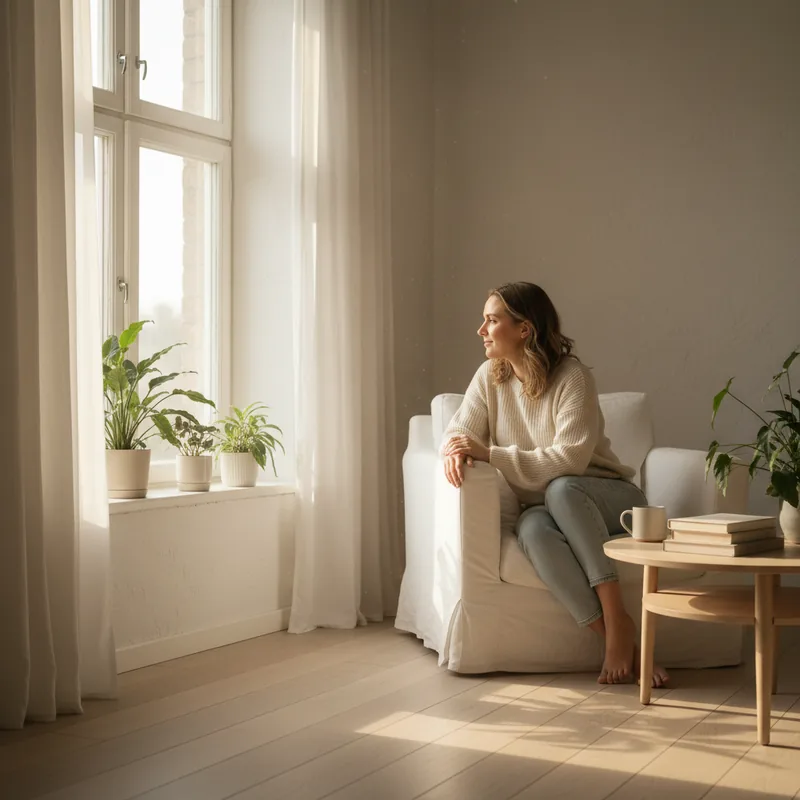
In an era of unprecedented connectivity, the fear of being alone, often termed autophobia or monophobia, paradoxically affects countless individuals, leaving them feeling isolated even amidst a bustling world. To truly understand how to stop feeling consumed by this pervasive anxiety, it's essential to recognize that solitude is not synonymous with loneliness. By actively building strong support networks, intentionally embracing self-discovery, and cultivating robust self-care practices, you can transform this fear into a profound journey of empowerment and inner peace.
“Pain makes you stronger. Fear makes you braver. Heartbreak makes you wiser.” ~Unknown
Waking up to an empty inbox or navigating a day where everything feels quieter can leave a gaping hole, an emptiness that seems impossible to fill. This profound ache for connection, especially after a significant breakup, can spark an intense fear of being alone. It's a wave of dread that hits once the dust settles, and you realize the familiar anchor of a partner is no longer there. Anxiety mounts, prompting questions of whether you’ll ever find love again.
This fear became a stark reality for many, myself included, particularly during early adulthood. For years, relationships felt elusive or fleeting, leaving behind a trail of heartbreak and the persistent question: Will I be alone forever? Seeing friends settle into happy, committed partnerships often intensified this doubt, making singlehood feel like a curse rather than a phase.
Even when a serious relationship materialized, the anticipated peace was often overshadowed by a different kind of loneliness. Being with someone who wasn't truly aligned with my values or needs felt just as isolating, if not more so, than being single. This experience offered a crucial lesson: true peace doesn't come from merely being in a relationship, but from cultivating a strong sense of self, regardless of relational status.
Understanding the Roots of Solophobia
The fear of being alone isn't merely about lacking a romantic partner; it often stems from deeper insecurities and societal pressures. We live in a culture that frequently equates romantic partnership with success and happiness, making single individuals feel incomplete. This external pressure can exacerbate an internal void, especially when navigating significant life transitions like a breakup.
For many, a breakup feels like losing a vital part of their identity. The person who once provided emotional support, companionship, and a shared future is gone, leaving a void that can feel unbearable. This sense of loss is natural, but it can quickly escalate into an overwhelming fear of solitude if not addressed constructively. Understanding these roots is the first step toward healing and growth.
Research consistently highlights the human need for connection, yet distinguishes between genuine connection and merely avoiding solitude. Studies from institutions like Harvard underscore that the quality, not just the presence, of social relationships is crucial for well-being (Harvard, 2024). This means that surrounding yourself with people, even a partner, doesn't guarantee an end to the fear of being alone if those connections lack depth or authenticity.
Cultivating a Strong Support Network
When a relationship ends, it can feel like your primary support system has been pulled out from under you. This destabilization can intensify feelings of loneliness and vulnerability. However, it's vital to remember that being single doesn't equate to being alone. A rich tapestry of support likely exists within your life, ready to embrace you.
Reach out to friends and family who have consistently shown up for you. They can offer a shoulder to cry on, a listening ear, and invaluable perspective. Even if communication waned during your relationship, true friends will often be there without hesitation when you need them most. Allow yourself to be vulnerable and express your emotions freely – whether it's sadness, anger, or fear.
If your existing network feels sparse, this period presents a powerful opportunity to build new connections. Consider joining community groups, volunteering for a cause you believe in, or participating in hobby classes. These environments naturally foster new friendships and provide a sense of belonging outside of romantic relationships. One crucial step to how to stop feeling utterly alone is actively investing in diverse, meaningful social bonds that reinforce your sense of worth and connection to the world.
Reclaiming Your Identity and Embracing Solitude
Many individuals, often unconsciously, begin to mirror their partner’s habits, interests, and even opinions during a relationship. This mirroring, while a natural part of bonding, can lead to a gradual loss of self. A breakup, though painful, offers a profound opportunity to reclaim and redefine who you are outside of a partnership.
Shift your perspective from viewing singlehood as a loss to seeing it as a new beginning. This is a chance to reconnect with your authentic self. Take stock of your passions, hobbies, and aspirations. Which ones were truly yours? Which ones were adopted to align with a partner? This period offers a unique chance for how to stop feeling defined by past relationships and instead, forge a stronger, more independent identity.
Embrace the freedom that comes with focusing solely on your own needs and desires. Without the constant negotiation and consideration of another person, you have the mental and emotional space to explore what truly makes you happy. This journey of self-discovery is not selfish; it's essential for personal growth and will ultimately equip you to enter future relationships from a place of wholeness, rather than need.
Engaging with the World: Mind and Body
During times of stress and anxiety, the mind can become a relentless echo chamber of negative thoughts, perpetuating a cycle of fear and sadness. To break free from this mental loop and understand how to stop feeling stuck in repetitive negative thought patterns, physical action and engagement with the external world are paramount. Immersion in activities that demand your focus can disrupt rumination and pull you out of your head.
Engage in activities that stimulate your mind and body. This could be vigorous exercise, taking up a new creative hobby like painting or playing an instrument, or starting a passion project that truly excites you. The goal is to redirect your energy from internal dwelling to external engagement, fostering a sense of accomplishment and presence.
Furthermore, intentionally relearn how to enjoy activities alone. There’s a distinct empowerment that comes from confidently navigating the world independently. Start small: go to a coffee shop by yourself, visit a museum, or enjoy a meal at your favorite restaurant. Gradually, you can expand to bigger adventures, like taking a solo road trip, attending a concert, or even enrolling in a cooking class alone. These experiences build self-reliance and demonstrate that your happiness isn't contingent on another person's presence.
Nurturing Inner Resilience Through Self-Care
Healing from heartbreak and overcoming the fear of being alone requires dedicated space for introspection and self-compassion. This period is an ideal time to cultivate self-care habits that foster peace and mindfulness in your daily life. These practices help you process emotions, calm anxiety, and build inner resilience.
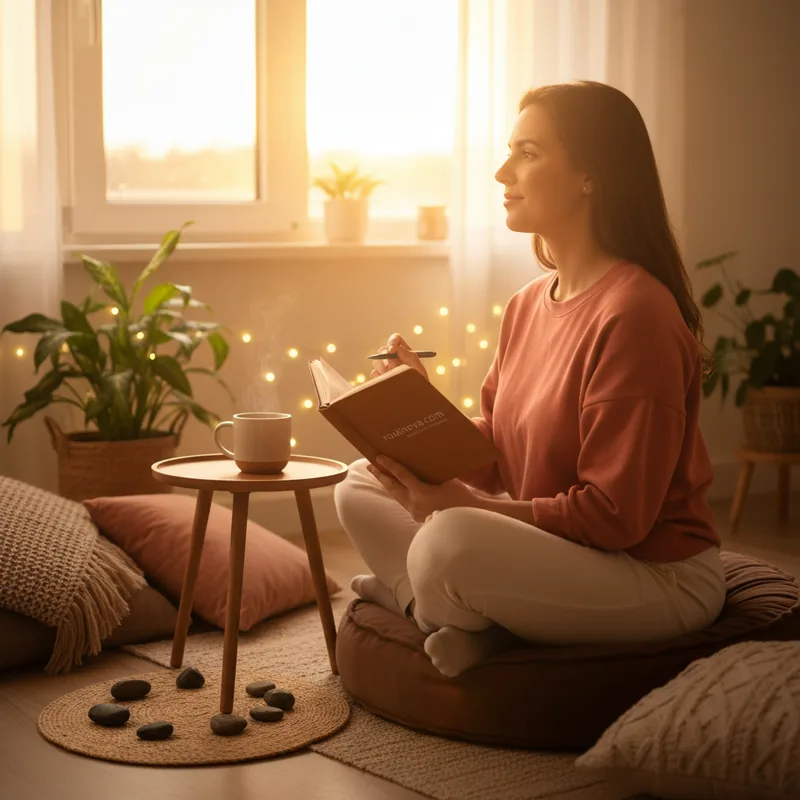
Incorporate practices like meditation to quiet your mind and reduce anxiety, or start journaling to articulate and process your feelings on paper. Other essential self-care habits include prioritizing healthy eating, ensuring adequate sleep, and engaging in physical activity. These fundamental practices nourish both your body and mind, creating a stable foundation for emotional well-being.
Consider new self-care approaches that foster deeper connection with yourself. This might involve a digital detox to reduce external noise, practicing mindful eating to savor your meals, or setting firm boundaries in your personal and professional life. By prioritizing these self-care practices, you learn how to stop feeling overwhelmed by external pressures and instead, listen to your own needs (Mayo Clinic, 2023).
Ultimately, learning how to stop feeling pressured into unhealthy relationships means embracing this time for personal growth. It's not about being selfish, but about being intentional in building a life that feels authentic and fulfilling to you. Facing your vulnerabilities head-on, in a supportive and self-compassionate way, enables you to heal past wounds and avoid repeating damaging relationship patterns in the future.
The last thing anyone wants is to rush into a new relationship purely out of fear of being alone. Desperation can cloud judgment, leading to choices that don't serve your long-term happiness. It's in these moments of vulnerability that we risk settling for less than we deserve, choosing an incompatible partner simply to fill a void.
Embracing the single life when you're afraid of being alone is a journey of perspective. Rather than allowing fear to corner you and diminish your spirit, challenge it by recognizing the profound opportunities for self-exploration and growth that solitude offers. You might discover that being alone isn't a curse, but a powerful catalyst for becoming your best self.
Is it not better to cultivate a rich, fulfilling life on your own terms than to be driven by fear into the arms of an unsuitable partner?