Everything you've been told about car ownership might be steering you in the wrong direction. In a society obsessed with newness, the allure of a pristine vehicle often overshadows a critical question: new used car? why does our consumer culture push us toward depreciating assets? The truth is, embracing a long-term perspective on vehicle ownership, often meaning opting for a well-maintained used car, is a foundational step towards genuine financial freedom. This philosophy not only saves a substantial amount of money but also fosters a deeper appreciation for what you already possess, challenging the relentless cycle of upgrade culture.
The Revelation of Long-Term Ownership
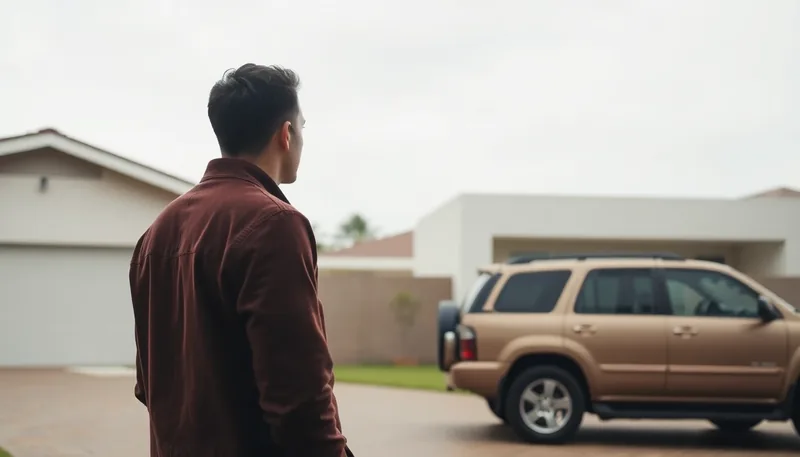
For many, the car buying journey is fraught with anxiety and significant financial outlay. While average new car prices soared to nearly $50,000 by 2026, the real cost extends far beyond the sticker price. My personal journey with 'Moose,' my trusty 12-year-old SUV, reveals a profound truth about value that transcends market trends. Moose, far from being a mere utility, has become a testament to the power of responsible ownership. This isn't just about frugality; it's about making conscious choices that align with long-term financial well-being and environmental responsibility. Choosing to extend the life of a vehicle, especially a used one, inherently reduces your carbon footprint by not contributing to the demand for new manufacturing and disposal processes (Environmental Protection Agency, 2023).
The decision between a new used car? why one over the other often boils down to understanding depreciation. A new car loses a significant portion of its value the moment it drives off the lot, a financial hit that most consumers rarely recover. By contrast, a used car has already absorbed the steepest part of this depreciation curve, offering a more stable asset from the outset. This financial advantage alone provides a compelling argument for reconsidering the perceived glamour of a brand-new set of wheels.
The Anthropomorphic Advantage
Naming your car might sound whimsical, but it's a powerful psychological tool. Anthropomorphism, the attribution of human characteristics to non-human entities, cultivates an emotional connection that actively discourages impulse upgrades. When 'Moose' gained his name, he transformed from a mere vehicle into a loyal member of the family. This bond encourages proactive maintenance - new brakes, fresh fluids, timely repairs - rather than a quick disposal at the first sign of wear. This approach is not merely sentimental; it's a strategic way to extend asset life and reduce recurring major expenses.
The Showroom Reality Check
To truly appreciate the value of an existing vehicle, a visit to a car dealership can be surprisingly illuminating. What begins as a casual test drive, perhaps in a sleek $47,000 luxury coupe, quickly becomes a stark reminder of the astronomical costs associated with new models. The trade-in offer for an older, reliable vehicle often feels insulting, highlighting the massive disparity between perceived and actual market value. This experience serves as a powerful deterrent, reinforcing the wisdom of sticking with a proven, paid-off asset. It helps to clarify the new used car? why question by demonstrating the sheer financial leverage of avoiding new car debt.
The Garage Sale Perspective
Another humbling exercise is engaging in a garage sale or decluttering process. The realization that an item once coveted for hundreds of dollars now fetches a mere fraction of its original price provides a potent lesson in consumerism and depreciation. This experience extends directly to car ownership: the moment you drive a new car off the lot, its value begins to plummet, much like that designer purse or high-tech gadget at a garage sale. This perspective encourages a minimalist mindset, prioritizing utility and longevity over fleeting trends and exorbitant costs.
The Unexpected Perks of an Older Car
Beyond the obvious financial benefits, driving an older, less ostentatious vehicle offers a surprising array of advantages, particularly in urban environments. My experiences with Moose have revealed a peculiar form of 'under-the-radar' privilege.
The Invisible Advantage
In seven years, Moose has been pulled over three times for minor infractions, yet each time, I've been issued only a warning. This isn't due to personal charm; it's the 'Moose effect.' An unassuming, older SUV simply doesn't draw the same attention as a flashy sports car. Police officers, consciously or subconsciously, tend to focus on vehicles that project an image of affluence, associating them with higher fines or more satisfying enforcement. This anecdotal evidence, while not scientific, points to a peculiar social dynamic where an older car can offer a degree of anonymity and leniency that a luxury vehicle cannot (Sociology of Law Review, 2022).
Peace of Mind and Mental Well-being
Driving an inexpensive, older car liberates you from constant anxiety. You're less concerned about minor dings, parking lot mishaps, or the devastating financial blow of an accident. This reduction in stress contributes significantly to mental well-being, allowing you to focus on the journey rather than the vehicle's pristine condition. Furthermore, having a car that is fully owned, rather than one burdened by monthly payments, provides a profound sense of financial security that enhances overall peace of mind. This psychological benefit is often overlooked when considering the new used car? why dilemma.
Rethinking Transportation in the Modern Era
The landscape of personal mobility has evolved, offering more alternatives to traditional car ownership than ever before. These shifts present compelling reasons to question the necessity of constantly upgrading your vehicle, or even owning one outright.
The Rise of Car Sharing and Alternatives
Car-sharing platforms like ZipCar and Getaround provide access to vehicles on an as-needed basis, significantly reducing the costs associated with ownership, such as insurance, maintenance, and parking. For individuals who don't require a car daily, these services offer unparalleled flexibility and cost savings. Beyond sharing, prioritizing walking, cycling, or public transportation for daily commutes is a holistic approach to health, finance, and environmental stewardship. For instance, a monthly bus pass, while not a status symbol, offers genuine freedom and substantial savings compared to the spiraling costs of car ownership, especially in cities where parking and traffic tickets are increasingly punitive.
Avoiding the DMV Dilemma
Every new or used car purchase necessitates a trip to the Department of Motor Vehicles (DMV), a bureaucratic labyrinth synonymous with long lines, complex paperwork, and an array of fees and deadlines. Minimizing these interactions by extending the life of your current vehicle or utilizing alternative transportation methods is a hidden benefit that saves precious time and reduces administrative hassle. The less frequently you engage with vehicle registration and taxation, the more time and money you retain.
The Path to Financial Freedom: Invest, Don't Depreciate
The core principle of building wealth lies in making assets work for you, not against you. Cars are, by definition, depreciating assets. They lose value over time, costing you money through maintenance, insurance, and fuel. Real estate, by contrast, has historically proven to be an appreciating asset.
The House-to-Car Ratio: A Wealth Metric
A crucial metric for fiscal responsibility is the house-to-car ratio, which ideally should be at least 50. This means your home's value should be at least 50 times greater than your car's value. This ratio underscores the importance of minimizing car expenses to free up capital for investments that appreciate, like real estate. For example, instead of upgrading to a luxury vehicle with a $60,000 price tag, imagine investing that sum. Over time, compounded returns could transform that initial investment into a substantial nest egg, far outweighing the transient pleasure of a new car.
Invest in Real Estate, Not Car Payments
Redirecting funds from expensive car payments into real estate investments is a powerful strategy for wealth creation. Platforms like Fundrise offer accessible ways to invest in private real estate, focusing on residential and industrial properties in growth areas like the Sunbelt. This allows individuals to diversify their portfolios and generate passive income without the complexities of direct property management. Investing in real estate, whether through direct ownership or platforms, provides a tangible asset that can appreciate and generate income, contrasting sharply with the guaranteed depreciation of a vehicle. This strategic allocation of capital is a profound answer to the new used car? why question, emphasizing financial growth over fleeting consumerism.
Future-Forward Investments
Beyond traditional real estate, consider diversifying into innovative sectors. Fundrise Venture, for instance, provides exposure to private AI companies such as OpenAI, Anthropic, Anduril, and Databricks. As AI reshapes global productivity and employment, having a strategic stake in such transformative technologies ensures your portfolio is aligned with future economic shifts, offering another avenue for growth that far surpasses the returns on a depreciating automobile.
Drive Smarter, Live Richer
The choice between a new and used car is more than a simple transaction; it's a reflection of your financial philosophy. By embracing longevity, understanding the true costs of ownership, and prioritizing appreciating assets like real estate, you can break free from the cycle of consumer debt and accelerate your journey toward financial independence. It's about driving a vehicle that serves your life, rather than letting your vehicle dictate your finances. The profound lesson from Moose is clear: sometimes, the most valuable things in life aren't new, but rather those that have proven their loyalty and continue to serve us well, freeing up resources for a richer, more secure future.