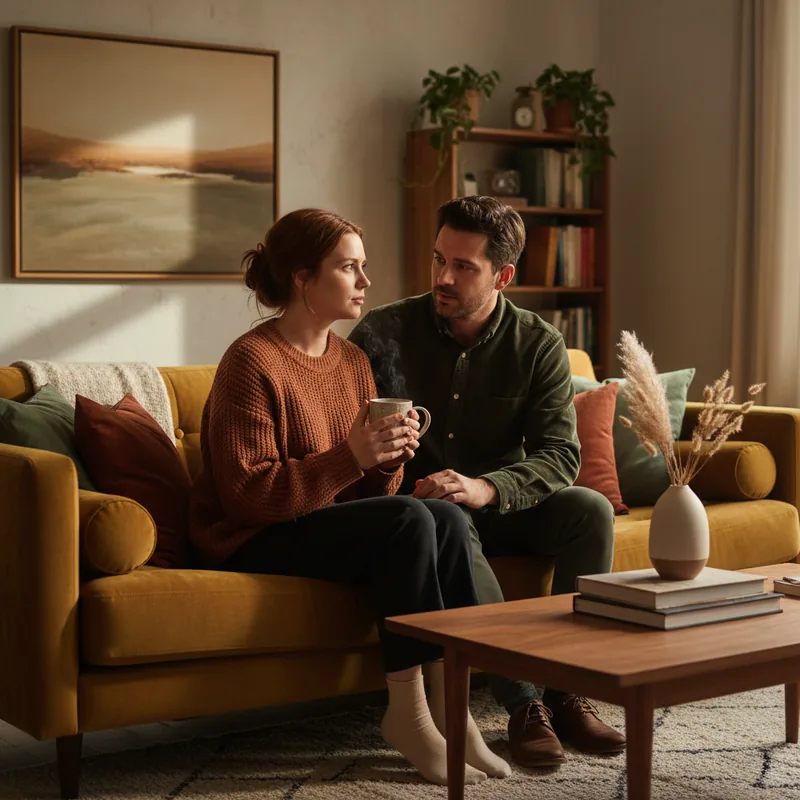
Have you ever found yourself questioning a partner's gaze, wondering if an innocent glance at someone else crosses a line? The phenomenon of a 'wandering eye' can stir a complex mix of emotions, from mild annoyance to deep-seated insecurity, challenging the very foundation of trust in a relationship. When confronted with this behavior, it's crucial to understand its nuances and, more importantly, how to deal with a partner effectively to protect your emotional well-being and the health of your bond. The key lies in open, honest communication, setting clear boundaries, and recognizing that your feelings are valid, regardless of your partner's intent.
Understanding the "Wandering Eye" Phenomenon
A 'wandering eye' typically refers to a partner's tendency to overtly notice, appreciate, or even harbor sexual thoughts about individuals outside of their committed relationship. This can manifest in various ways, from lingering stares to direct flirtation, and its interpretation often varies significantly between individuals and couples. While some might dismiss it as harmless human nature, for others, it can feel like a profound betrayal.
Defining the Behavior
The spectrum of behaviors associated with a wandering eye is broad and highly subjective. What one person considers a casual observation, another might view as a serious transgression. Common indicators often include:
- Blatantly checking out other people in public settings.
- Engaging in flirtatious banter or conversations with strangers.
- Openly expressing sexual fantasies about others.
- Telling other individuals they are attractive, particularly in a suggestive manner.
- Making plans for romantic or sexual encounters outside the relationship, even if only hypothetical.
- Texting or direct messaging (DMing) people other than their partner with suggestive content.
It's important to differentiate these behaviors from actual infidelity. While a wandering eye involves thoughts or communication with others, it crosses into cheating when it progresses to romantic or sexual encounters. The distinction, however, often blurs when emotional boundaries are breached (Relationship Dynamics Institute, 2023).
Subjective Interpretations and Emotional Impact
The impact of a wandering eye largely depends on individual perceptions and relationship agreements. For many, it is deeply unsettling, often described as a sign of disrespect, a precursor to infidelity, or a direct assault on their self-esteem. As one relationship expert notes, "Repeatedly admiring, commenting on, or overtly flirting with someone else can severely undermine a partner's sense of security and worth" (Intimacy & Trust Studies, 2024).
Consider the scenario where a partner, during a dinner date, repeatedly makes eye contact with another patron, holding the gaze a little too long. Or, perhaps, they consistently make comments about a celebrity's physique, comparing it to others, creating an uncomfortable atmosphere. Such actions, even if deemed 'innocent' by one partner, can leave the other feeling unseen, unappreciated, and even threatened.
Conversely, some individuals hold a more liberal view, believing that acknowledging another person's attractiveness is a natural human response. They might argue that simply appreciating beauty does not equate to disloyalty. However, research suggests that a persistent wandering eye, especially early in a relationship, can indeed signal deeper underlying issues or a predisposition to infidelity (Couples Psychology Review, 2023). Studies have shown that individuals more prone to finding attractive people attention-grabbing are also more likely to engage in infidelity later (Attentional Bias Research, 2022).
The Digital Dimension: Wandering Eyes in the Online World
The advent of social media and ubiquitous technology has introduced new complexities to the concept of a wandering eye. Online interactions can create relationship complications that mirror, and sometimes exceed, those of in-person behaviors. The digital realm offers a seemingly anonymous space where boundaries can easily become blurred.
Social Media and Texting Boundaries
In online settings, a wandering eye might manifest as:
- Flirting in comments sections or via direct messages with individuals who are not their partner.
- Excessively "liking" or reacting to another person's photos in a way that suggests romantic or sexual interest.
- Engaging in flirtatious, romantic, or sexual texting with non-partners.
- Intentionally joining dating apps or social sites with the explicit purpose of engaging in flirtatious communication.
For instance, a partner might frequently 'like' and post overly familiar comments on an ex-partner's social media photos, creating unease. Or they might be discovered engaging in playful, suggestive text exchanges with a new colleague. These digital behaviors can erode trust, strain communication, and diminish intimacy just as effectively as physical interactions. A significant portion of individuals in relationships report that technology has negatively impacted their romantic connections (Digital Relationship Survey, 2021).
When a Glance Crosses the Line: Recognizing Boundaries
It's natural to find other people attractive; this alone doesn't signify a breach of trust. The challenge lies in discerning when a casual appreciation transforms into a problematic 'wandering eye' that undermines your relationship. Understanding where your boundaries lie, and where your partner's actions might be infringing upon them, is crucial.
Self-Assessment and Partner Impact
To determine if a line has been crossed, consider these reflective questions:
- How would your partner genuinely feel if they were fully aware of these behaviors?
- How would you react if your partner engaged in the exact same actions?
- Have you and your partner explicitly discussed boundaries regarding interactions with others?
- Does the behavior violate any established agreements or implicit trust within your relationship?
- Are you or your partner actively concealing these actions from each other?
If the thought of your partner knowing about certain behaviors evokes discomfort, guilt, or the need to hide, it's a strong indicator that those actions are likely crossing a boundary. This self-awareness is a critical first step in knowing how to deal with a partner and the situation constructively.
Constructive Strategies: How to Deal with a Partner's Wandering Eye
If your partner's wandering eye causes you distress, addressing it directly and constructively is vital. Simply nagging them to stop is rarely effective, as it often fails to address any underlying issues or communicate the depth of your feelings (Relationship Therapy Insights, 2024). Instead, a strategic approach focused on communication and mutual understanding is required.
Initiating Open Dialogue
When approaching this sensitive topic, lead with your feelings rather than accusations. Begin by expressing how their actions make you feel, using "I" statements. For example, instead of "You're always checking people out!" try, "I feel hurt and disrespected when I see you looking at others in that way." This approach fosters a more receptive environment for discussion.
It's also helpful to clearly articulate your boundaries. While you may not expect them to wear blinders, you can express that overt ogling or flirtation is unacceptable. Try casually acknowledging an attractive person first, then gently pivot to your feelings about their response. This can open a less confrontational discussion about mutual respect.
Remember, a wandering eye is not necessarily a reflection of your attractiveness or worth. It's an issue within the relationship that requires attention. The goal is to boost mutual satisfaction and commitment through honest dialogue, not to police behavior out of jealousy. This is a crucial step in understanding how to deal with a partner's habits that impact your well-being.
Seeking Professional Support
If your partner consistently dismisses your concerns or shows no willingness to change their behavior, it may indicate deeper relational issues. In such cases, individual or couples therapy can provide a safe and structured environment to explore these dynamics. A therapist can help both partners understand the root causes of the behavior, improve communication patterns, and establish healthier ways of interacting (American Association for Marriage and Family Therapy, 2023).
Therapy offers tools to navigate difficult conversations, identify unmet needs, and collaboratively decide on a path forward. Knowing when and how to seek professional help is another important aspect of how to deal with a partner when personal efforts fall short.
Rebuilding Trust and Respect
Ultimately, a partner's wandering eye, whether innocent or intentional, demands attention if it causes distress. Your feelings are valid, and a healthy relationship thrives on mutual respect and security. When you calmly express your concerns, your partner should be receptive and willing to understand your perspective.
If, despite open communication and expressed boundaries, your partner remains unresponsive or dismissive, it may be time to re-evaluate the future of the relationship. True partnership involves acknowledging each other's emotional needs and actively working towards a shared sense of safety and trust. Rebuilding trust takes time and consistent effort from both individuals, ensuring that both feel valued and secure in the connection.