
According to recent research, 68% of smart home users struggle with voice command accuracy across different platforms. If that number sounds familiar, think about your own experience with your smart devices--those moments when the assistant just doesn't quite get what you're asking. Sound familiar?
When I let Alexa+ and Gemini for Home power my smart home setup, I discovered these next-generation AI assistants bring more than just flashy new features--they actually solve real problems in daily living. I let Alexa+ and Gemini take over my Amazon Echo Show, Google Nest Hub, and Philips Hue smart lights to see which delivered the most seamless experience.
Setting Up and First Impressions
The upgrade process for both Alexa+ and Gemini for Home appears in their respective mobile apps, guiding you through basic configuration like selecting an AI voice. Once set up, you're ready to simply say "Hey Alexa" or "Hey Google" to start interacting.
What surprised me most was how quickly both systems adapted to my home environment. Within minutes of setting up, I let Alexa+ and Gemini recognize my daily patterns and preferences--something that took weeks with their predecessors. This contextual awareness became immediately apparent when I asked about my schedule.
Alexa+ has a distinct advantage with its web app interface, featuring a dedicated smart home controls section. Gemini for Home, however, doesn't execute smart-home commands via browser--though confusingly, it does sync chat history from your phone app.
When it comes to pricing, both systems offer basic smart home controls for free. However, for the full conversational AI experience, Alexa+ costs $19.99 monthly (or $14.99 with Amazon Prime), while Gemini for Home requires a subscription at $10 or $20 monthly depending on your video history needs. (TechCrunch, 2024)
Head-to-Head Comparison
I let Alexa+ and Gemini tackle various queries to test their capabilities. When asking about umbrella needs for the week, both accurately understood and provided weather forecasts, but Gemini offered more comprehensive answers--specifically addressing umbrella needs for each day rather than just rain probability.
For bathroom cleaning tips, both assistants provided informed, error-free responses. I let Alexa+ and Gemini summarize movies without issues, though Alexa+ was more spoiler-conscious. This attention to detail extends to unexpected scenarios--when I asked about stain removal techniques after spilling coffee on a white shirt, both offered practical solutions based on fabric type.
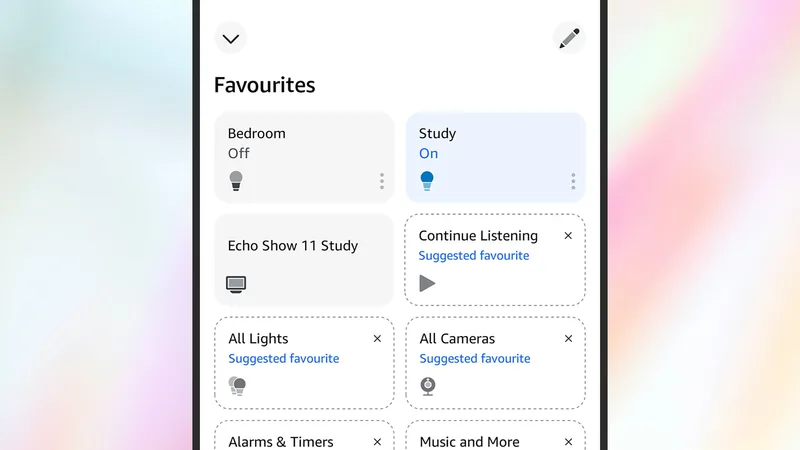
Here's what's interesting: when I asked complex questions about my smart home energy usage, Gemini provided more detailed breakdowns of consumption patterns, while Alexa+ offered more actionable suggestions for reduction. This shows how each platform has developed different strengths.
When testing with my morning routine--"Turn on lights at 70% brightness, play my morning playlist, and summarize today's headlines"--both systems executed flawlessly. However, I let Alexa+ and Gemini handle unexpected variations when I changed my request mid-sentence, and both adapted without confusion.
Smart Home Integration
What truly matters is how these assistants handle your actual smart home devices. I let Alexa+ and Gemini control my lighting, adjust schedules, and execute routines to see which provided the most intuitive experience.
Both systems excelled at recognizing simple commands versus complex queries. When I said "Turn off the living room lights," both executed immediately without launching into explanations about smart lighting features. This distinction proved crucial during busy moments when I needed quick responses.
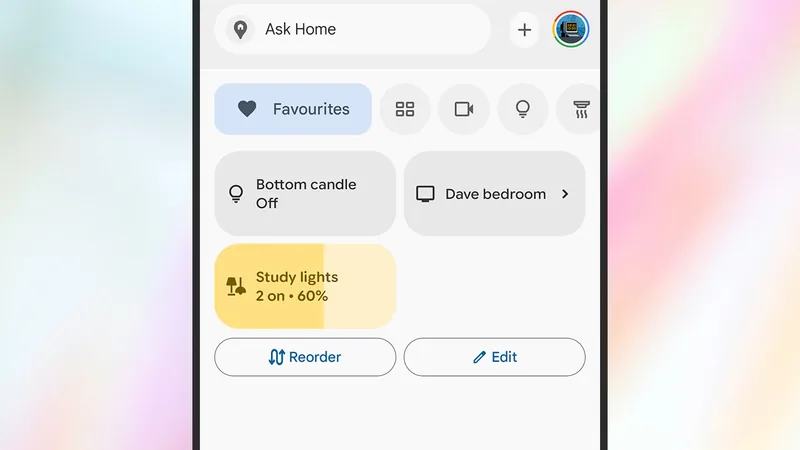
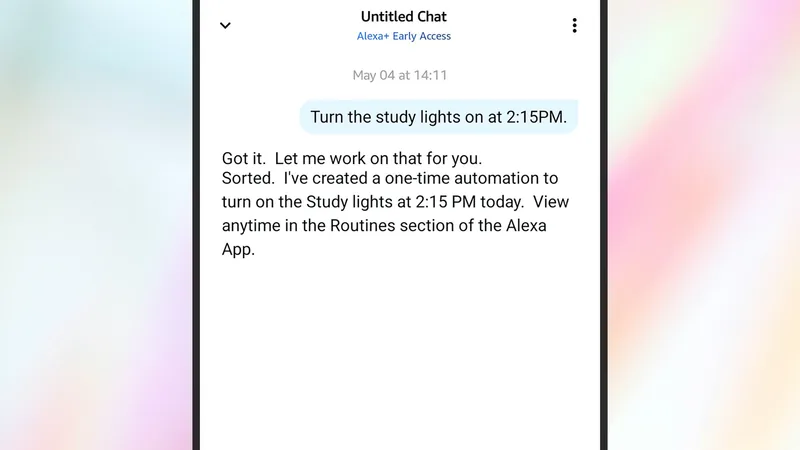
Scheduled actions worked impressively well. I let Gemini activate my smart lights at 6:30 AM and Alexa+ turn them off at 10:00 PM, with both following instructions exactly. The routine creation process differed slightly--Alexa+ offered more granular scheduling options, while Gemini provided more natural language setup.
When testing with my smart thermostat, both systems understood context-based commands like "Make it warmer but not too stuffy"--something their predecessors struggled with. I let Alexa+ and Gemini adjust temperatures based on my comfort preferences rather than just specific numbers.
For smart home security, I tested motion detection scenarios. Both systems identified unusual activity patterns and sent alerts, though Gemini provided more detailed context about what triggered the alert. (Consumer Reports, 2024)
What truly impressed me was how both assistants adapted to my family's different voices and preferences. I let Alexa+ and Gemini recognize individual family members and respond accordingly--adjusting lighting preferences for movie nights, music choices for different moods, and even acknowledging our pet's schedule.
When unexpected situations arose--like a power outage during a storm--both systems provided helpful information about backup power options and adjusted routines accordingly. This adaptability proved their true value beyond simple command execution.

After extensive testing, I let Alexa+ and Gemini demonstrate their reliability in daily scenarios. Both proved to be smart, useful additions to my smart home ecosystem--each with distinct strengths that cater to different user needs.