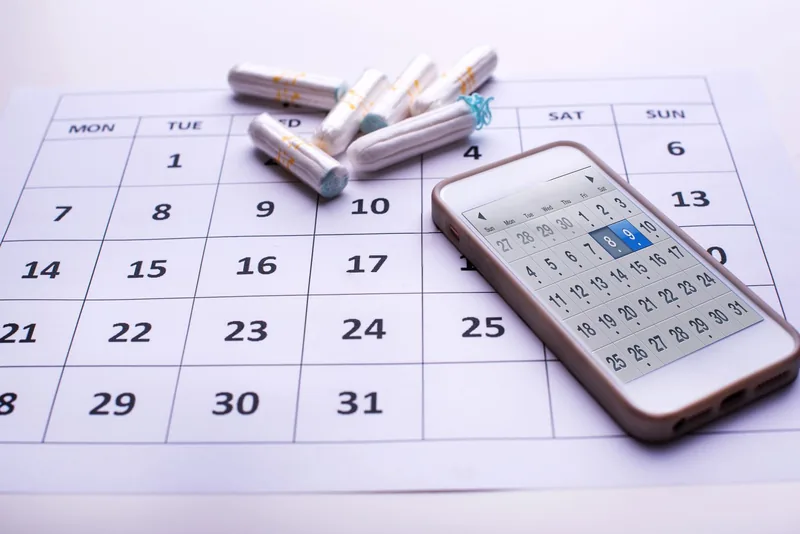
So you've lost your period. First--take a breath. It's not a sign that something is fundamentally wrong with you. Your body is simply communicating through a powerful biological signal. When your menstrual cycle disappears, it's often your hypothalamus sounding the alarm that something in your system needs attention. Hypothalamic amenorrhea (HA) is a common condition where the brain's hypothalamus alters hormone production due to factors like stress and nutritional deficiency, leading to missed periods and affecting your reproductive health. The good news? In most cases, you can restore your cycle by addressing the underlying causes.
Understanding Hypothalamic Amenorrhea
Here's what actually happens when you lose your period. The hypothalamus, a tiny but powerful region of your brain, acts as your body's command center for hormonal balance. It receives constant input from your body in the form of hormones and chemical signals. When everything is functioning optimally, the hypothalamus responds by releasing hormones that regulate everything from your metabolism to your reproductive system.
But when something goes awry--when your body perceives a threat or imbalance--the hypothalamus can override your reproductive system to conserve energy for what it considers more vital functions. Think of it like tripping a circuit breaker in your home when there's an electrical surge. Your body is essentially shutting down non-essential systems to protect core functions.
This is why so many women experience amenorrhea during times of extreme stress, significant weight loss, or intense exercise. Your brain is making a calculated decision that reproduction can wait until conditions improve.
Contributing Factors
So what exactly triggers this protective shutdown? The causes are multifaceted, and each woman's experience is unique. Let's explore the key factors that can contribute to hypothalamic amenorrhea.
Energy Balance
According to Nicola Rinaldi, a biologist who has researched HA extensively, energy deficits from undereating or overexercising are the primary drivers of most HA cases, regardless of body size. Simply put, your body needs fuel to function optimally. When you consistently consume fewer calories than you burn, your body enters an energy deficit state. Chronic energy deficits prompt your body to conserve fuel for vital processes like organ function and basic metabolism. As a result, non-essential functions, including reproduction, are paused.
This explains why some women lose their period even when they're not extremely underweight. Their bodies are essentially in a constant state of energy deficit, even if they appear healthy on the outside.
Food Restriction
The types of foods you eat matter just as much as the quantity. Restricting the range of food you consume can contribute to HA by creating nutrient deficiencies. Your body needs a variety of vitamins, minerals, and macronutrients to produce hormones effectively.
Low-fat diets are particularly problematic--your body needs adequate fat to produce estrogen and other reproductive hormones. When you severely restrict fat intake, you're essentially removing a building block your body needs for hormone production. This is why many women who adopt very low-fat diets experience menstrual irregularities, even if they're consuming enough calories.
Weight Loss
While extreme weight loss is a well-known cause of amenorrhea, many women are surprised to learn that they can lose their period at higher weights than expected. Each person's body appears to have a different weight at which it will function optimally. Some women need to be quite underweight to lose their period, while others experience amenorrhea at what would be considered a normal or even high BMI.
This variability explains why BMI alone is an imperfect measure of health. Body Mass Index, which is based solely on height and weight, doesn't account for factors like body composition, muscle mass, bone density, or individual genetic differences. Despite being a flawed measure, BMI remains widely used because it's an inexpensive and quick method for analyzing potential health status.
Exercise
Exercise contributes to HA in two primary ways. First, excessive exercise burns significant energy, leaving less available for bodily functions. Second, intense exercise increases stress hormones like cortisol, which can directly interfere with the hypothalamus's ability to release reproductive hormones.
This creates a tricky situation for many active women. On one hand, exercise is beneficial for overall health. On the other hand, too much exercise can disrupt your menstrual cycle. The key is finding a balance that supports both your physical activity goals and your reproductive health.
For example, Sarah, a dedicated marathon runner, noticed her periods becoming irregular after increasing her training mileage. When she replaced some of her high-intensity runs with gentler activities like swimming and yoga, her cycles gradually returned to normal.
Stress
Chronic stress is another significant contributor to hypothalamic amenorrhea. When you're under constant stress, your body produces elevated levels of cortisol. This stress hormone, while essential in the short term, can interfere with reproductive hormone production when consistently elevated.
Think of it like this: your body interprets chronic stress as a threat to survival. In this state, reproduction becomes a low priority because your brain believes you're in danger and shouldn't be bringing new life into a threatening environment. This is an evolutionary adaptation that helped our ancestors survive in dangerous conditions.
Many women today experience this kind of chronic stress from demanding jobs, financial pressures, or relationship challenges. When stress becomes the norm rather than the exception, your body may respond by suppressing your menstrual cycle.
Genetics
There's also a genetic component to hypothalamic amenorrhea. Some women's reproductive systems are simply more sensitive to energy deficits and stress than others. This explains why two women with similar lifestyles might have different experiences with their menstrual cycles.
If your mother or sisters have experienced amenorrhea, you might be more likely to experience it as well. This genetic predisposition doesn't mean you're destined to lose your period, but it does mean you might need to be more mindful of your energy balance and stress levels.
Health Consequences
The absence of your period isn't just an inconvenience--it's a signal that something deeper is happening in your body. When you experience hypothalamic amenorrhea, you're essentially experiencing a form of functional menopause, with all the associated health consequences.
Short-term consequences include:
- Hair thinning or loss
- Brittle nails
- Skin problems
- Low libido
- Vaginal dryness
Many women dismiss these symptoms as minor annoyances, but they're actually important signals of hormonal imbalance. The real danger, however, lies in the long-term consequences of estrogen deficiency.
Cardiovascular Health
Research has found that young women with hypothalamic amenorrhea have significantly higher cardiovascular disease risk. One study discovered that 69% of young women with coronary heart disease have low estrogen levels compared with just 29% of their heart-healthy counterparts (Harvard, 2024). This increased risk is particularly concerning because it affects women during what should be their prime reproductive years.
Bone Health
Perhaps the most serious consequence of prolonged amenorrhea is the impact on your bones. Estrogen plays a crucial role in maintaining bone density. When estrogen levels drop, bone production slows, and bone loss accelerates. In some cases, women can lose significant bone density in as little as six months of amenorrhea.
This bone loss is particularly dangerous because it's often irreversible. Even if you regain your menstrual cycle, the bone you've lost may never be fully replaced, leaving you at increased risk for osteoporosis and fractures later in life.
Mental Health
Hypothalamic amenorrhea is also linked to increased risk for depression and anxiety. The hormonal imbalances can affect neurotransmitter function, while the physical symptoms and concerns about fertility can take a toll on your mental wellbeing.
Many women report feeling disconnected from their bodies when experiencing amenorrhea, which can further exacerbate mental health concerns. This creates a vicious cycle where poor mental health contributes to hormonal imbalances, which in turn worsens mental health.
Infertility
For women trying to conceive, hypothalamic amenorrhea can be a significant barrier. Without ovulation, natural conception becomes impossible. This can be especially frustrating for women who believe they're healthy but are struggling with infertility.
For example, Emma, a 32-year-old woman who appeared healthy and active, was surprised when she couldn't conceive after six months of trying. It wasn't until she investigated further that she discovered she had hypothalamic amenorrhea, likely caused by years of intense exercise and subtle undereating. After adjusting her lifestyle, she not only restored her menstrual cycle but also successfully conceived.
Treatment Approaches
When you've lost your period, the natural instinct might be to reach for birth control pills to "restore" your cycle. But here's something most doctors won't tell you: birth control pills don't actually solve the underlying problem with your hypothalamic function.
Birth Control Pills
Many women with HA are prescribed birth control pills to induce periods. While this may cause bleeding, it doesn't address the underlying endocrine dysfunction. The bleeding you experience on birth control pills isn't a true menstrual cycle--it's an artificial withdrawal bleed that doesn't indicate ovarian function or fertility.
As Nicola J. Rinaldi, PhD, author of "No Period. Now What?" explains, "If you're getting your period only because you are on birth control pills, it doesn't count." Studies have shown that birth control pills don't help prevent further bone loss in women with HA, making them an inadequate treatment for the condition's serious health consequences (Mayo Clinic, 2023).
The Real Solution
The goal of treatment for HA should be to restore your natural ovulatory menstrual cycle. This requires addressing all the contributing factors: energy imbalance, food variety, excessive exercise, low weight, and stress. Unlike birth control pills, which merely mask symptoms, true treatment targets the root causes of hypothalamic dysfunction.
For example, Maria had been on birth control pills for years to "manage" her amenorrhea. When she decided to try for a baby, she went off the pills and discovered her periods didn't return. Through working with a healthcare team, she learned she needed to increase her calorie intake, reduce her exercise intensity, and better manage her stress. After three months of these changes, her natural cycles returned, and she was able to conceive.
Practical Recovery Strategies
So you've lost your period--what can you actually do about it? The good news is that hypothalamic amenorrhea is often reversible with the right approach. Here are the key strategies for recovery:
Eat More
Recovery requires eating enough--not only to fuel your current energy needs but also to make up for any history of under-fueling. For most women with HA, this means consuming at least 2500 kcal per day, sometimes more.
Eating a variety of foods from all macronutrient groups is crucial for hormone production. Full-fat dairy seems particularly beneficial for stimulating ovulation. You might be hesitant to gain weight, thinking you already feel healthy, but your body disagrees if you're not menstruating. Try gaining a few pounds and see what happens--you might be pleasantly surprised when your cycles resume.
While healthy body weights vary greatly, most women with HA need to reach a BMI of 22-23 or higher to resume menses. This doesn't mean you need to become overweight, but it does mean you might need to be at a higher weight than you currently are.
Exercise Less
Recovery is also facilitated by reducing or eliminating intense exercise. Faster recovery is typically associated with cutting exercise entirely, while slower recovery occurs when exercise is only reduced in intensity or duration.
Running seems to be one of the most challenging exercises for regaining natural menstrual cycles. Many women who replace running with lower-impact activities like walking, swimming, or yoga find their cycles return more quickly. The key is finding movement that supports your recovery rather than working against it.
For instance, Jessica had been an avid runner for years but noticed her periods becoming irregular after increasing her mileage. When she replaced some of her runs with gentle yoga and walking, her cycles gradually returned to normal. She discovered that she could maintain her fitness level while supporting her hormonal health by diversifying her exercise routine.
Stress Management
Reducing stress is another crucial component of recovery. However, you might be managing your emotions in ways that actually contribute to HA--using strenuous exercise to feel less anxious or restrictive eating to deal with body image concerns, for example.
Learning healthier coping skills can make a significant difference. Practices like meditation, mindfulness, deep breathing, and engaging in joyful sedentary activities can help reduce stress without triggering hypothalamic suppression. Some women find that journaling, creative hobbies, or spending time in nature helps them manage stress more effectively.
For example, Laura noticed that her periods would disappear during particularly stressful periods at work. She began incorporating a 10-minute meditation practice each morning and made time for creative painting on weekends. These changes helped reduce her overall stress levels, and within a few months, her menstrual cycles became regular again.
Recovery Timeline and Outlook
The length of time it takes to resume regular menses varies based on factors like rate of weight gain, exercise level, stress level, age, and genetics. Generally, women can expect to regain their cycle within three to six months of making appropriate lifestyle changes, with success rates increasing over time.
Remember, recovery isn't always linear. You might experience some progress, then hit a plateau, then make more progress. This is normal and doesn't mean you're doing something wrong. The key is consistency in your approach and patience with your body.
If you've been making changes for several months without seeing results, it might be worth reassessing your approach. You might need to increase your calorie intake further, reduce exercise more significantly, or address additional stressors in your life.
Keep in Mind
If you've lost your period, you might think there's no reason to be concerned with your health. But the absence of regular cycles is not normal. Your menstrual cycle is an important vital sign that reflects your overall health.
You can reduce potentially irreversible damage to your bones by seeking help and following the lifestyle change suggestions as soon as possible. If you're on birth control pills and don't know if you'd still menstruate without them, speak to your healthcare providers about whether you're truly at a healthy weight.
Remember, you're not alone in this experience. Many women have successfully restored their menstrual cycles through lifestyle changes. With the right approach and support, you can too.