In a world increasingly obsessed with health, wellness, and body image, the line between mindful eating and harmful patterns often blurs. Many people struggle with their relationship with food, but understanding the critical distinction between disordered eating and eating disorders is paramount for effective intervention and support. While both involve unhealthy food behaviors, an eating disorder is a diagnosable mental health condition with specific clinical criteria, whereas disordered eating refers to a spectrum of irregular eating patterns that do not meet the full diagnostic threshold but can still significantly impact well-being.
This comprehensive guide delves into the nuances of these conditions, exploring their symptoms, causes, and the vital steps toward recovery and a healthier life.
The Crucial Difference: Disordered Eating vs. Eating Disorders
The primary distinction between disordered eating and clinically diagnosed eating disorders lies in the frequency, severity, and psychological impact of the behaviors. Disordered eating encompasses a range of unhealthy eating attitudes and behaviors that occur irregularly or less intensely, preventing them from meeting the stringent diagnostic criteria for a full-blown eating disorder (Harvard, 2024).
However, this does not diminish the seriousness of disordered eating. It can profoundly affect physical and mental health, often serving as a precursor or gateway to the development of a clinical eating disorder if left unaddressed. The key difference is often the presence of a pervasive, obsessive preoccupation with food, weight, and body shape that significantly impairs daily functioning in the case of a diagnosed eating disorder.
- Eating Disorder: Characterized by obsessive thoughts about food, extreme concerns about calories, significant weight changes, and impaired functioning due to behaviors like counting calories, binging, purging, or excessive exercising. These are recognized mental health diagnoses.
- Disordered Eating: Involves eating for reasons other than hunger, using food to cope with stress or emotions, irregular calorie restriction, binging, or purging on a limited basis, avoiding major food groups, or eating only specific foods. These behaviors are not consistently severe enough to meet diagnostic criteria.
Understanding Disordered Eating Patterns
Disordered eating describes a range of abnormal eating behaviors that, while not meeting the criteria for a specific eating disorder, are still detrimental to physical and psychological health. These behaviors often limit food choices, restrict intake, cause discomfort, create a sense of being out of control, or foster negative emotions like shame and guilt around food (Mayo Clinic, 2023).
It's important to recognize that disordered eating is not a formal diagnosis in the Diagnostic and Statistical Manual of Mental Disorders (DSM-5). Instead, it's a term used to identify and describe a spectrum of unhealthy eating habits that can become dangerous over time. Not everyone who engages in these behaviors will develop an eating disorder, but they are certainly at a higher risk.
Common Symptoms of Disordered Eating
The manifestations of disordered eating often mirror those of eating disorders but are less severe or frequent. Recognizing these patterns early can be crucial for intervention. Examples include:
- Avoiding entire food groups without medical necessity (e.g., cutting out all carbohydrates or fats).
- Engaging in calorie restriction or extreme dieting on an irregular basis.
- Binge eating episodes that are not frequent enough or severe enough to meet binge eating disorder criteria.
- Eating primarily due to boredom, stress, or to cope with difficult emotions, rather than physical hunger.
- Developing elaborate rituals around food and eating, such as cutting food into tiny pieces or eating only at specific times.
- Feeling intense guilt or shame after eating, particularly after consuming certain foods labeled as "bad."
- Meticulously tracking every single calorie and macronutrient to the point of anxiety, even when not on a specific diet plan (New Example 1).
- Using diet pills, laxatives, or diuretics occasionally for weight control, but not with the frequency or intensity seen in bulimia nervosa.
- Taking an all-or-nothing approach to healthy eating, where one "slip-up" leads to abandoning all healthy habits.
- Only eating foods from a very narrow, "clean" list, leading to social isolation and nutritional deficiencies (New Example 2).
Causes and Risk Factors for Disordered Eating
The origins of disordered eating are multifaceted, often stemming from a combination of psychological, social, and environmental factors. Understanding these causes can shed light on why individuals develop unhealthy relationships with food.
- Sociocultural Pressures: Celebrity culture, social media, and online influencers often promote unrealistic body ideals, fostering distorted body image and unhealthy relationships with food. Diet culture, in particular, normalizes restrictive eating and body dissatisfaction.
- Mental Health Conditions: Underlying conditions such as anxiety, depression, or obsessive-compulsive disorder (OCD) can significantly contribute to the onset of disordered eating behaviors. Food can become a coping mechanism or a means of control.
- Stress and Life Changes: Significant life transitions, chronic stress, or traumatic experiences can trigger disordered eating patterns. For some, this manifests as a loss of appetite, while for others, it leads to comfort eating.
- Trauma: Individuals who have experienced trauma may be more vulnerable to developing disordered eating as a way to cope with overwhelming emotions or regain a sense of control over their bodies.
- Dieting History: Research consistently indicates that chronic dieting, especially fad diets, can contribute to disordered eating, which, in turn, can escalate into a clinical eating disorder (Harvard, 2024).
Understanding Clinical Eating Disorders
An eating disorder is a serious and complex mental health condition characterized by severe disturbances in eating behaviors, thoughts, and emotions. These conditions significantly impair physical health, psychological well-being, and the ability to function in daily life. Unlike disordered eating, eating disorders are clinical diagnoses with specific criteria outlined in the DSM-5.
Major Types of Eating Disorders
While many types exist, the most commonly recognized eating disorders include Anorexia Nervosa, Bulimia Nervosa, and Binge Eating Disorder.
Anorexia Nervosa
Anorexia nervosa is characterized by an intense fear of gaining weight, a severely restricted food intake leading to significantly low body weight, and a distorted perception of one's body shape or weight. Individuals with anorexia often see themselves as overweight, even when they are severely underweight (Mayo Clinic, 2023).
Symptoms typically include extreme weight loss, an intense fear of gaining weight, a distorted body image, and a preoccupation with food and weight. People with anorexia may engage in excessive exercise or use compensatory behaviors like self-induced vomiting or laxative misuse to eliminate consumed calories. Anorexia nervosa has one of the highest mortality rates of any mental disorder.
Binge Eating Disorder
Binge eating disorder (BED) involves recurrent episodes of consuming unusually large amounts of food in a short period, accompanied by a feeling of loss of control during the binge. Unlike bulimia, these episodes are not followed by compensatory behaviors like purging. BED is the most common eating disorder in the United States.
Symptoms include eating rapidly, eating until uncomfortably full, eating large amounts of food when not hungry, eating alone due to embarrassment, and feeling disgusted, depressed, or guilty afterward. The distress associated with binge eating is a key diagnostic feature.
Bulimia Nervosa
Bulimia nervosa is characterized by recurrent episodes of binge eating followed by inappropriate compensatory behaviors to prevent weight gain. These behaviors include self-induced vomiting, misuse of laxatives, diuretics, or other medications, fasting, or excessive exercise. Like anorexia, bulimia involves a distorted body image and an intense fear of weight gain.
To meet diagnostic criteria, these binge-purge cycles must occur at least once a week for a minimum of three months. The individual's self-evaluation is unduly influenced by body shape and weight, and the disturbance does not occur exclusively during episodes of anorexia nervosa.
Other Eating Disorders
Beyond these three, other recognized eating disorders include Avoidant/Restrictive Food Intake Disorder (ARFID), Other Specified Feeding or Eating Disorder (OSFED), Night Eating Syndrome, Pica, Purging Disorder, and Rumination Disorder. Each has unique diagnostic criteria and presents distinct challenges.
Recognizing the Signs: When to Be Concerned
Identifying the signs of an emerging or established eating disorder can be challenging, as individuals often go to great lengths to conceal their behaviors. However, certain indicators suggest a person may be struggling with disordered eating or an eating disorder. These behaviors consume significant time and mental energy, often interfering with normal functioning at home, work, school, and in relationships.
- Obsessive Thoughts: Constant preoccupation with food, weight, calories, body shape, or exercise.
- Social Withdrawal: Avoiding social situations, especially those involving food, or eating only in private.
- Extreme Food Restriction: Engaging in periods of severe food limitation, often accompanied by strict dietary rules.
- Excessive Exercise: Compulsive physical activity, often driven by a need to burn calories or prevent weight gain, even when injured or fatigued.
- Hiding or Hoarding Food: Secretive behaviors around food, such as stashing food or hiding evidence of eating.
- Body Image Distress: Poor self-esteem heavily tied to appearance, constant body checking, or wearing baggy clothing to conceal weight changes.
- Mood Changes: Increased anxiety, depression, irritability, or mood swings.
- Physical Symptoms: Constantly feeling cold, fatigue, dizziness, hair loss, or dental problems (from purging).
- Meticulous Meal Planning: Someone with anorexia who meticulously plans their day around avoiding food, often declining family meals and social events consistently, fabricating excuses to avoid eating (New Example 3).
Pathways to Healing: Coping and Prevention
If you recognize signs of disordered eating in yourself or a loved one, proactive steps can be taken to manage behaviors and cultivate a healthier relationship with food. Early intervention can often prevent disordered eating from progressing to a full-fledged eating disorder.
Avoid Fad Diets and Embrace Moderation
Crash diets are often highly restrictive, leading to feelings of hunger and deprivation. This frequently triggers cravings and subsequent overeating, perpetuating a cycle of failure and guilt. Instead, focus on balanced eating in moderation and challenge the notion of "good" or "bad" foods.
Cultivate Positive Self-Talk and Body Neutrality
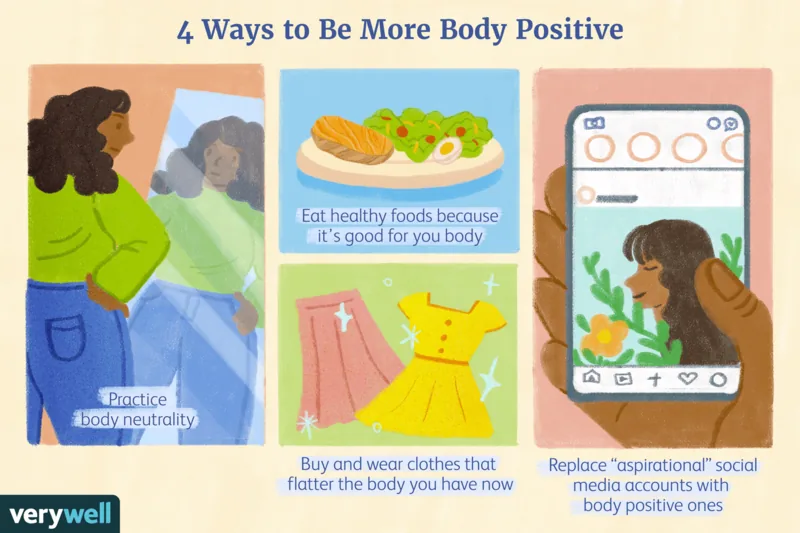
Disordered eating is frequently accompanied by harsh self-criticism and negative body image. Rather than comparing your body to others or berating your appearance, practice appreciating your body for its functions and unique qualities. Body neutrality, which involves accepting your body and focusing on caring for it with adequate food, rest, and movement, can be a powerful tool for improving body image.
Practice Mindful and Intuitive Eating
Mindfulness involves fully focusing on the present moment. Applied to eating, it means paying attention to your body's hunger and fullness cues, savoring your food, and noticing how different foods make you feel. Mindful or intuitive eating can help you become more attuned to your body's needs and identify unhealthy eating behaviors, such as using food to distract from challenging emotions (Harvard, 2024).
How to Get Professional Help
Eating disorders can lead to severe and life-threatening health consequences, including organ failure, cardiovascular problems, malnutrition, and significant mental health comorbidities like anxiety and depression. Therefore, seeking professional treatment is critical if you or a loved one are experiencing symptoms of an eating disorder.
Early intervention significantly improves recovery outcomes, reduces the detrimental impacts on physical health, and can minimize the need for intensive inpatient care. Treatment plans are typically comprehensive, combining individual, group, and/or family therapy with nutritional counseling to address the complex interplay of thoughts, behaviors, coping skills, and lifestyle factors.
If you suspect an eating disorder, reach out to a doctor or mental health professional. Numerous organizations also offer valuable information and support. Remember, you do not have to navigate this alone.