Does Celexa Cause Weight Gain? Your Ultimate Guide to Managing Antidepressant Weight Changes
Yes, Celexa (citalopram), like many other selective serotonin reuptake inhibitors (SSRIs), can indeed cause weight gain as a side effect. While the exact reasons aren’t fully understood, this can be a bothersome experience for many individuals seeking relief from depression. Current research in 2025 suggests it might be linked to changes in metabolism or appetite. However, it’s crucial to remember that effective strategies exist to manage weight while continuing your medication, always under a doctor’s guidance.
1. The Problem: Understanding Celexa and Potential Weight Changes
Celexa, scientifically known as citalopram, is a widely prescribed medication belonging to the class of selective serotonin reuptake inhibitors (SSRIs). These medications work by increasing the availability of serotonin, a “feel-good” neurotransmitter, in the brain. By blocking the reabsorption of serotonin, SSRIs help to regulate mood, sleep, and overall emotional well-being, effectively alleviating symptoms of depression and anxiety.
While highly effective for many, one common concern associated with Celexa and other SSRIs is the potential for weight gain. Even a modest increase in weight can be disheartening for individuals already navigating the complexities of mental health treatment. This side effect, though often minimal, can impact self-esteem and adherence to medication, making it a significant topic for discussion and management. Understanding this potential challenge is the first step toward proactive solutions.
2. The Challenge: Why Antidepressants Like Celexa Can Cause Weight Gain
The precise mechanisms behind weight gain when taking Celexa (citalopram) and other SSRIs are still being thoroughly investigated in 2025. Experts have proposed several theories to explain this phenomenon. One prominent idea suggests that these medications might subtly slow down an individual’s metabolism, leading to fewer calories being burned at rest. This metabolic shift could then contribute to a gradual accumulation of weight over time.
Another compelling theory posits that SSRIs can influence appetite regulation, potentially triggering an upsurge in hunger and cravings. This increased appetite can lead to greater caloric intake and, subsequently, weight gain. Furthermore, the very success of the antidepressant can play a role; as individuals begin to feel better and their depression symptoms improve, their appetite often returns to normal or even increases. This return to a healthier appetite, while positive for recovery, can sometimes result in gaining back weight lost during depressive episodes, or even exceeding previous healthy weights (Harvard, 2024).
3. Beyond Celexa: Weight Impact of Other SSRIs and Antidepressants
It’s important to recognize that the propensity for weight gain is not exclusive to Celexa (citalopram); it’s a known side effect across a broad spectrum of antidepressant medications. While many SSRIs like Prozac (fluoxetine) and Zoloft (sertraline) are generally associated with less significant weight gain, others, such as Paxil (paroxetine) and Lexapro (escitalopram), might have a more pronounced impact for some individuals. The degree of weight change can vary significantly from person to person, influenced by genetics, lifestyle, and individual response to the medication.
Beyond the SSRI class, other types of antidepressants also carry varying risks of weight gain. For instance, tricyclic antidepressants (TCAs) and certain atypical antidepressants like Remeron (mirtazapine) are more commonly linked to substantial weight increases. Conversely, medications like Wellbutrin (bupropion) and some SNRIs, such as Cymbalta (duloxetine) or Effexor (venlafaxine), are often considered weight-neutral or may even lead to slight weight loss. Discussing these alternatives with your doctor is crucial if weight gain becomes a significant concern while taking Celexa or other SSRIs, as switching medications might be a viable solution.
4. Addressing Underlying Factors: Other Contributors to Weight Gain
Weight fluctuations are often intertwined with depression itself, irrespective of medication treatment. Before starting any antidepressant, many individuals experiencing depression may notice changes in their appetite and eating habits. Some might experience a loss of appetite and subsequent weight loss, while others find comfort in food, leading to weight gain. These shifts are often driven by changes in hormone levels that regulate hunger and satiety, which can be disrupted by depressive states.
Furthermore, depression frequently leads to a decrease in physical activity and engagement in previously enjoyed interests. When battling the fatigue and anhedonia associated with depression, maintaining a regular exercise routine or participating in sports can become incredibly challenging. This reduction in physical movement, combined with altered eating patterns, can independently contribute to weight gain. Therefore, it’s essential to consider these underlying factors alongside the potential effects of Celexa and other SSRIs when evaluating weight changes (Harvard, 2024). Addressing these lifestyle elements can be just as crucial as managing medication side effects.
5. Proven Solutions: Effective Strategies for Managing Weight on Celexa
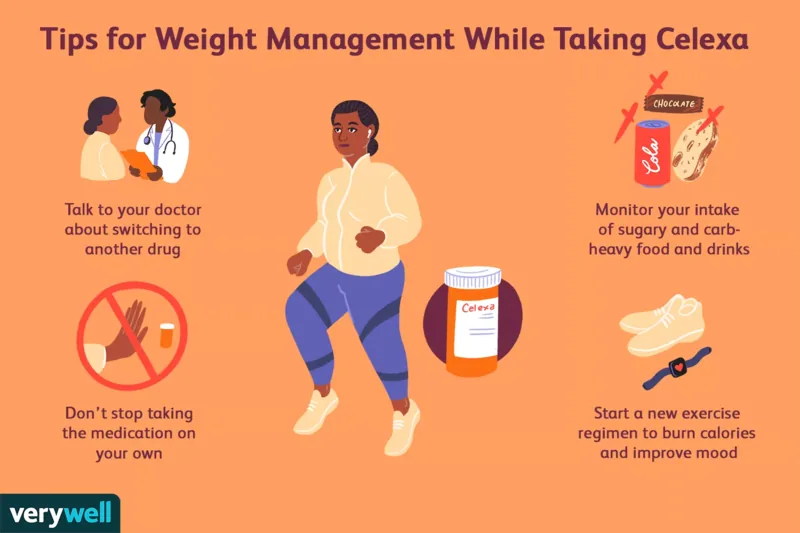
Managing weight while taking Celexa (citalopram) or other SSRIs is entirely achievable with a proactive approach and consistent effort. The most critical piece of advice is never to stop taking your medication abruptly without consulting your doctor. Discontinuation syndrome, characterized by unpleasant and potentially dangerous withdrawal symptoms, can occur if you go cold turkey off an SSRI. Instead, work collaboratively with your healthcare provider to develop a comprehensive weight management plan that supports both your mental and physical health.
One highly effective strategy is mindful eating. Research consistently shows that people often underestimate their caloric intake, making a food journal an invaluable tool. Logging your meals and snacks can help identify hidden calories, such as those from sugary drinks or processed carbohydrates. If you need more tailored guidance, your doctor can refer you to a registered nutritionist who can help devise a balanced diet plan. Additionally, rediscovering physical activity is paramount; joining a gym, taking up a new sport, or simply increasing daily steps can significantly boost metabolism and mood. Even getting a dog can lead to more exercise and enhanced happiness (Harvard, 2024). Always check with your doctor before starting any new exercise regimen to ensure it’s appropriate for your current health status. If weight gain remains a significant issue despite these efforts, your doctor might consider adjusting your Celexa dosage or exploring alternative antidepressants that have a different weight profile.
6. Navigating Your Journey: A Timeline for Weight Management
Understanding the typical timeline for weight changes when starting Celexa (citalopram) or other SSRIs can help set realistic expectations. Most individuals will not experience immediate weight gain; changes usually manifest gradually over several months of treatment. For some, an initial period of appetite fluctuation might occur, with weight gain becoming noticeable after three to six months as the body adjusts and depression symptoms improve. It is during this period that a return to normal appetite, or even an increased appetite, can lead to caloric surplus.
If you observe sustained weight gain that concerns you, it’s advisable to speak with your doctor around the three to six-month mark or whenever you feel the impact is significant. They can assess whether the weight gain is directly attributable to Celexa and help rule out other contributing factors. Early intervention with dietary adjustments and increased physical activity can be very effective. For those who find weight management challenging despite lifestyle changes, a discussion about medication alternatives or dosage adjustments should occur after six to twelve months of consistent effort. Long-term management involves ongoing monitoring and adapting strategies as needed, ensuring your mental health remains prioritized while also addressing your physical well-being.
7. Frequently Asked Questions About Celexa and Weight
Does Celexa always cause weight gain?
No, Celexa does not always cause weight gain for everyone. While it is a known side effect for many, some individuals may experience no weight change, or even slight weight loss, especially early in treatment. Individual responses to medications vary significantly.
How much weight can you gain on Celexa?
The amount of weight gain on Celexa is typically minimal, often in the range of a few pounds over several months. However, some individuals may experience more significant increases, particularly if their appetite greatly improves or metabolism slows.
What causes weight gain from SSRIs like Celexa?
Weight gain from SSRIs like Celexa is thought to be caused by a combination of factors. These include a potential slowing of metabolism, an increase in appetite leading to higher caloric intake, and the natural return of appetite as depression symptoms improve.
Can I stop taking Celexa if I gain weight?
You should never stop taking Celexa without consulting your doctor. Abruptly discontinuing an SSRI can lead to withdrawal symptoms known as discontinuation syndrome. Your doctor can help you safely manage side effects or transition to an alternative medication if necessary.
What are some tips for managing weight while on Celexa?
To manage weight on Celexa, focus on mindful eating by tracking your food intake, incorporating regular physical activity into your routine, and discussing dietary changes with a nutritionist. If needed, your doctor might explore switching to a different antidepressant with a more favorable weight profile.