Do you ever feel a knot in your stomach, a racing heart, or a sudden shortness of breath when faced with a specific situation? Perhaps it's the thought of public speaking, stepping into a crowded store, or even just the idea of flying. If you've been struggling with fears that feel overwhelming, first--take a breath. It's not a sign of weakness. Your brain is simply reacting to learned associations, and the good news is, you can absolutely rewrite that script. So, can systematic desensitization help you conquer those deep-seated anxieties and phobias? The short answer is a resounding yes, by gradually retraining your mind and body to react with calm instead of panic.
The Core Idea: Unlearning Fear
Imagine being able to face your greatest fears not with dread, but with a sense of calm control. This isn't just wishful thinking. Over half a century ago, psychiatrist Joseph Wolpe pioneered a revolutionary technique called systematic desensitization. It's a cornerstone of behavioral therapy, built on a simple yet profound premise: what has been learned (conditioned) can be unlearned (Corey, 2009).
This isn't about ignoring your fears or brute-forcing your way through them. Instead, it's a systematic, step-by-step process designed to reduce anxiety and panic attacks associated with specific phobias and fearful situations. The core principle involves pairing relaxation with gradually increasing exposure to what you fear. Think of it as teaching your nervous system a new, calmer response.
Extensive research consistently shows that can systematic desensitization help significantly reduce the intensity and frequency of anxiety and panic attacks associated with fearful situations (Harvard Medical School, 2023). It's a powerful tool, but like any skill, it requires practice and preparation.
Your Inner Toolkit: Mastering Calm
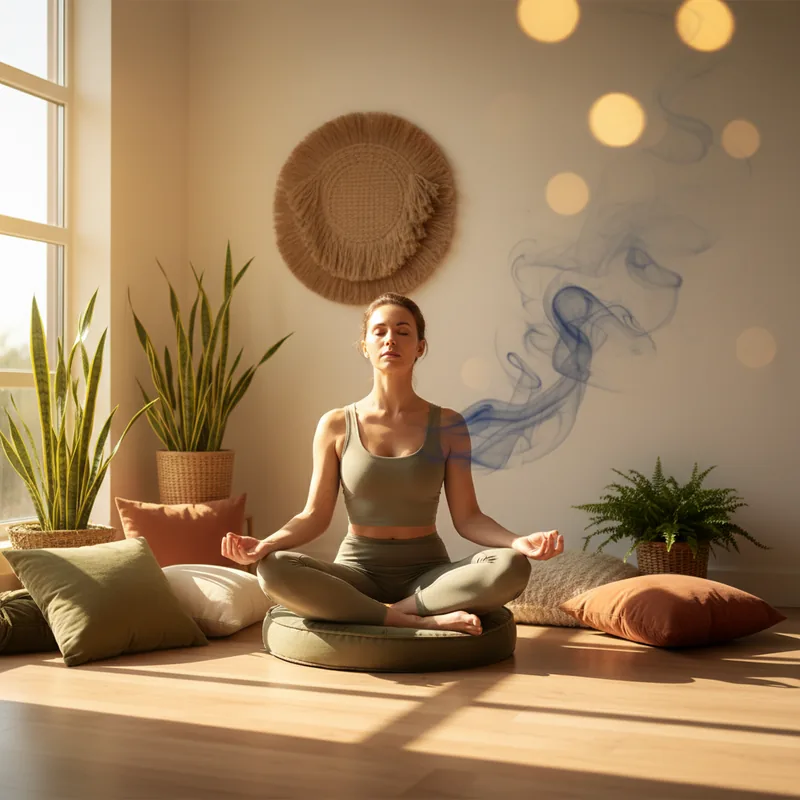
Before you can begin confronting your fears, you need to arm yourself with powerful relaxation techniques. These aren't just feel-good exercises; they're essential tools that directly compete with the body's anxiety response. Here's what you'll need in your toolkit:
Deep Breathing
When anxiety strikes, your breathing often becomes shallow and rapid, directly from the chest. This 'thoracic breathing' throws off your body's oxygen and carbon dioxide balance, triggering a cascade of physical symptoms: a racing heart, dizziness, and muscle tension. It's a physiological alarm bell, signaling a stress response that can escalate into a full-blown panic attack.
The antidote? Deep, diaphragmatic breathing. This involves breathing slowly and deeply, allowing your belly to rise and fall. Practicing this regularly helps reset your nervous system, promoting a sense of grounded calm that can interrupt the anxiety cycle before it takes hold.
Progressive Muscle Relaxation
Many of us carry chronic muscle tension without even realizing it. Our shoulders might be glued to our ears, or our jaw might be perpetually clenched. This tension becomes so automatic, it feels normal. Progressive Muscle Relaxation (PMR) is a technique that teaches you to consciously tense and then relax different muscle groups throughout your body.
The goal is to rediscover the stark difference between tension and true relaxation. By systematically working through your body--from your toes to your scalp--you'll learn to identify where you hold tension and how to intentionally release it. This awareness is crucial for managing the physical manifestations of anxiety (Mayo Clinic, 2024).
Visualization
Your mind is incredibly powerful. By intentionally guiding your imagination, you can create a mental sanctuary that induces a state of deep mental and physical relaxation. Instead of just thinking about it, truly immerse yourself.
For example, imagine yourself walking along a serene forest path. Feel the soft, cool earth beneath your bare feet. Listen to the gentle rustle of leaves and the distant chirping of birds. See the sunlight dappling through the canopy, painting shifting patterns on the ground. Breathe in the earthy scent of pine and damp soil. The more vividly you engage your senses, the more effectively your body will respond with relaxation.
Step by Step: Building Your Path to Freedom
Once you've mastered your relaxation techniques, the real work of desensitization begins. It's a deliberate, methodical process that involves two key components: creating a fear hierarchy and gradual exposure.
Crafting Your Fear Hierarchy
This is your personalized roadmap to conquering fear. You'll create a list of situations related to your specific phobia, ranking them from the absolute least anxiety-provoking to the most terrifying. Be specific and break down big fears into tiny, manageable steps.
Let's say you have a fear of dogs. Your hierarchy might start with looking at photos of small puppies (low anxiety), then watching a video of a calm dog playing, then seeing a dog from across the street, eventually progressing to petting a small, friendly dog, and finally interacting with a larger, playful dog. The key is to make each step feel achievable, not overwhelming.
Imaginary Exposure
Systematic desensitization typically begins in your mind. While deeply relaxed, you'll vividly imagine yourself in the least fearful scenario from your hierarchy. As you mentally 'face' this situation, you actively employ your relaxation techniques. If anxiety begins to creep in, you stop, return to a state of deep relaxation, and then try again. You only move to the next step on your hierarchy once you can comfortably imagine the current step without significant anxiety.
For someone with public speaking anxiety, this might mean imagining yourself practicing your speech alone in your living room, then imagining a trusted friend listening, then a small, friendly audience, all while maintaining a relaxed state.
Real-Life Application
Once you've successfully navigated your fear hierarchy through imagination, you're ready to apply the same principles to real-life situations. This is where the true desensitization happens. Again, you start with the least anxiety-provoking situation and gradually work your way up. As you encounter each step, you actively use your deep breathing, muscle relaxation, and visualization skills to manage any rising anxiety.
If your fear is driving on highways, you might start by driving on a quiet street, then a slightly busier road, then a short stretch of highway with minimal traffic during off-peak hours, gradually increasing duration and traffic density. Each successful step builds confidence and reinforces the new, calmer response.
While can systematic desensitization help many people on their own, it's perfectly normal to need guidance. If you find yourself struggling to relax, identify your fear hierarchy, or progress through the steps, consulting with a mental health professional can provide invaluable support and direction.
A Path to Lasting Calm
Conquering fears isn't about eliminating them entirely; it's about changing your relationship with them. Systematic desensitization offers a structured, evidence-based path to reclaim your peace of mind and expand your world. It teaches you that you have the power to unlearn old reactions and build new, more adaptive ones. With consistent practice and a commitment to your well-being, you can move from a place of fear to one of freedom and confidence.