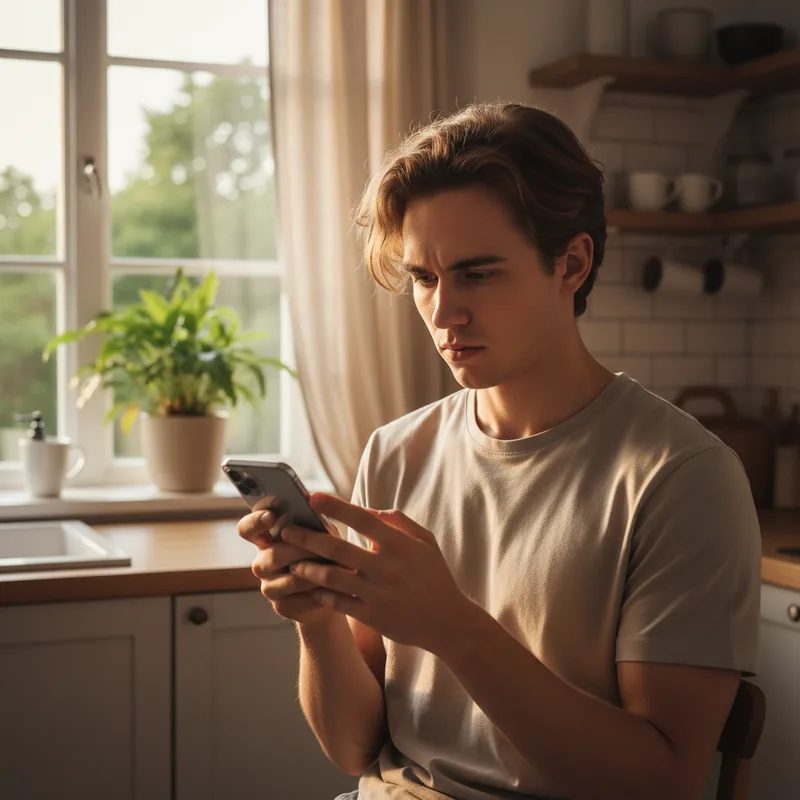
When Alex first downloaded a new social media app, it felt like a portal to connection and inspiration. Soon, however, the endless scrolling began to cast a shadow. The curated perfection of others' lives, the constant stream of overwhelming news, and the nagging feeling of not quite measuring up started to erode his own sense of contentment. He wasn't alone. For many, the question isn't just *if* social media affects mood, but rather, can social media cause depression? Research increasingly suggests a significant link, indicating that heavy use can indeed contribute to feelings of sadness, loneliness, and anxiety, or exacerbate existing depressive symptoms.
The Digital Divide: Understanding Social Media's Impact on Mental Health
In an age where billions worldwide are connected through digital platforms, the profound influence of social media on mental health has become a critical area of study. What began as a tool for connection has evolved into a complex ecosystem that, for some, can foster negative emotions and diminish overall well-being. Experts are actively investigating how this pervasive digital presence shapes our psychological landscape.
Unpacking the Evidence: A Growing Concern
A substantial body of research points to a clear correlation between extensive social media engagement and heightened feelings of depression. Studies indicate that individuals who consciously limit their time on these platforms often report greater happiness and reduced symptoms of loneliness compared to those who do not (University of Pennsylvania, 2018). The constant influx of content, often negative or idealized, appears to trigger an array of emotions that can contribute to or worsen depressive states.
- More than half the global population actively uses social media, creating an environment of nonstop information, much of which can be distressing (Kemp, 2023).
- A significant study published in The Lancet Psychiatry (2018) found that checking social media late at night was associated with an increased likelihood of experiencing depression and lower self-reported happiness.
- Another pivotal study demonstrated that reduced social media use directly correlated with fewer symptoms of depression and loneliness (University of Pennsylvania, 2018).
- Feelings of envy, particularly when observing others' seemingly perfect lives on platforms, were linked to the development of depressive symptoms among users (University of Missouri, 2015).
A National Advisory: Social Media's Toll on Youth
The concerns surrounding social media's mental health impact are so significant that national health authorities have issued warnings. In 2023, the U.S. Surgeon General released an advisory highlighting the detrimental effects of social media on youth mental health. This advisory emphasized that during crucial periods of adolescent brain development, social media use is associated with decreased life satisfaction, body image issues, and disrupted sleep patterns. This underscores the urgent need for further research and public awareness regarding how social media can cause mental health challenges, especially in vulnerable populations.
Beyond Sadness: Recognizing the Signs of Digital Distress
While occasional sadness is a normal part of life, persistent feelings of despair, loss of interest, and difficulty functioning can signal clinical depression. Understanding what these symptoms look like is crucial, especially when considering the role digital habits might play. Recognizing these signs is the first step toward seeking help and fostering healthier coping mechanisms.
Defining Clinical Depression
Clinical depression, or major depressive disorder, is a serious mood disorder characterized by enduring feelings of sadness and a significant loss of interest in activities once enjoyed. This condition can range from mild to severe, often impairing an individual's ability to concentrate, sleep, eat normally, make decisions, or complete daily routines. Symptoms can include:
- Persistent feelings of sadness, emptiness, or hopelessness.
- Loss of pleasure or interest in hobbies and activities.
- Changes in appetite or weight.
- Sleep disturbances (insomnia or excessive sleeping).
- Fatigue or loss of energy.
- Feelings of worthlessness or excessive guilt.
- Difficulty thinking, concentrating, or making decisions.
- Thoughts of death or suicide.
Treatment often involves psychotherapy, medication, or a combination of both. Additionally, lifestyle adjustments, such as limiting screen time and prioritizing authentic connections, can significantly benefit mental well-being.
Correlation vs. Causation: The Definitive Link
For years, discussions about social media and mental health revolved around correlation--did heavy users simply happen to be more depressed, or did the platforms themselves contribute to depression? A landmark study published in the Journal of Social and Clinical Psychology (2018) went a step further, establishing a causal link. This research demonstrated that reduced social media use directly led to decreased feelings of depression and loneliness.
The study involved 143 university students divided into two groups over a three-week period:
- Unlimited Access: One group continued their usual, unrestricted social media use.
- Limited Access: The second group had their daily social media access capped at 30 minutes across popular platforms.
Participants in the limited-access group reported significantly lower severity of depression and loneliness by the study's end. Interestingly, both groups experienced a reduction in anxiety and the fear of missing out (FOMO), suggesting that simply being aware of one's digital habits, even without strict limits, can be beneficial.
The Hidden Traps: How Social Media Fosters Negative Emotions
The digital landscape, while offering avenues for connection, also presents several psychological traps that can detrimentally affect mental health. These include constant social comparison, the fear of missing out, cyberbullying, and the pervasive habit of doomscrolling.
The Grip of Comparison and FOMO
One of the most insidious ways social media impacts mental health is through fostering unfavorable comparisons. Users are constantly exposed to carefully curated highlights of others' lives--perfect vacations, career successes, dream homes, and seemingly effortless happiness. This constant stream of idealized content can lead to a sense of inadequacy and self-doubt.
- Unfavorable Comparisons: Seeing images of friends on exotic beach vacations, celebrating significant life milestones, or showcasing luxurious lifestyles can make users feel their own lives don't measure up. For instance, a college student might feel deeply inadequate comparing their modest dorm room and part-time job to an influencer's posts featuring lavish apartments and designer clothes, leading to feelings of envy and diminished self-worth (University of Missouri, 2015).
- Fear of Missing Out (FOMO): Social media is a breeding ground for FOMO. Seeing friends gathered at an event you weren't invited to, or witnessing a shared experience you couldn't partake in, can trigger feelings of exclusion and loneliness. Imagine a small business owner scrolling through their feed, seeing competitors' viral marketing campaigns and rapid growth, and feeling a profound sense of missing out on opportunities or not being 'good enough' to achieve similar success.
- Jealousy and Resentment: Beyond general comparison, specific instances can fuel intense jealousy. Stumbling upon an ex-partner's profile showcasing a new, seemingly perfect relationship or a lavish lifestyle they never shared with you can evoke painful emotions and questions about your past, further contributing to a negative self-perception. A parent scrolling through feeds filled with perfectly organized playrooms, gourmet homemade meals, and serene family outings might feel immense pressure and inadequacy, questioning their own parenting skills and lifestyle choices.
Limiting exposure to such content allows individuals to focus more on their own journey and accomplishments, reducing the likelihood of developing these self-defeating thought patterns.
Cyberbullying: A Modern Threat
The rise of social media has unfortunately provided a new, pervasive platform for bullying. Historically, bullying was largely confined to physical spaces like schools. Now, with a single click, humiliating videos, false rumors, and malicious comments can spread globally, reaching victims even within the supposed safety of their homes. This constant digital torment can be relentless, with bullies swarming a peer's page, leaving negative comments, or spreading misinformation.
The consequences of cyberbullying can be devastating, with some victims experiencing severe psychological distress, isolation, and, in tragic cases, suicidal thoughts (Cureus, 2020). Despite anti-bullying policies in many educational institutions, monitoring and containing online abuse remains a significant challenge for parents and educators. Victims often fear that reporting the abuse will only escalate the torment, leading them to suffer in silence and without the crucial emotional support needed to navigate such a toxic environment.
Bad News and 'Doomscrolling': The Cycle of Negativity
A significant portion of the population now relies on social media for news (Pew Research Center). For heavy users, this translates into constant exposure to headlines about natural disasters, political unrest, social injustices, and personal tragedies. This incessant consumption of negative news, often referred to as doomscrolling, can have a profound impact on mental health, exacerbating anxiety and depressive symptoms.
Before the internet, exposure to distressing news was limited by broadcast schedules or newspaper delivery. Today, the negativity is always accessible, creating a feedback loop. Psychologists explain that our minds are naturally wired to detect threats. Continuous exposure to bad news amplifies perceived dangers, leading to heightened anxiety and a sense of hopelessness. This can paint the world as an overwhelmingly bleak place, trapping individuals in a cycle of negativity that is hard to break.
A study involving over 91,000 participants noted that those who logged onto social media before bedtime were more likely to experience major depressive disorder and reported lower happiness levels compared to those with better sleep hygiene (The Lancet Psychiatry, 2018). This suggests that even the timing of social media use can profoundly influence mood and sleep quality, reinforcing how social media can cause emotional distress.
Reclaiming Your Well-being: Strategies for Mindful Digital Engagement
While social media presents mental health risks, it's not necessary to abandon it entirely. The key lies in mindful engagement and establishing healthy boundaries. Experts advocate for moderation and intentional use to harness the benefits while mitigating the downsides.
Setting Healthy Boundaries
Without conscious effort, minutes can easily turn into hours on social media. Implementing strategies to monitor and limit your time is crucial:
- Use Timers and Apps: Set a timer for your social media sessions or install apps on your phone or computer that track and limit your usage. Many devices now have built-in screen time management tools.
- Designate Screen-Free Zones/Times: Establish rules, such as no phones at the dinner table, an hour before bed, or during family time.
- Curate Your Feed: Unfollow accounts that make you feel inadequate, anxious, or angry. Prioritize content that is positive, inspiring, or genuinely informative.
Prioritizing Real-World Connections
To counteract the isolating effects of excessive screen time, actively engage in offline activities that foster genuine connection and personal fulfillment. Redirecting your energy from the digital world to tangible experiences can significantly boost your mood and sense of purpose.
Make time to enjoy life away from screens by pursuing activities such as:
- Reading a physical book or magazine.
- Watching a movie with loved ones.
- Going for a stroll in nature or a local park.
- Playing a board game or engaging in a hobby.
- Baking, cooking, or trying a new creative pursuit.
- Having a meaningful phone conversation or meeting a friend in person.
- Volunteering in your community.
Seeking Support
If you find yourself struggling with persistent feelings of sadness, anxiety, or hopelessness, or if you suspect your social media use is contributing to mental health challenges, it's important to seek professional help. Mental health professionals can provide guidance, coping strategies, and appropriate treatment. Remember, reaching out is a sign of strength.
If you or someone you care about is having suicidal thoughts, contact a crisis hotline immediately. In the U.S., the National Suicide Prevention Lifeline can be reached by calling or texting 988 for support and assistance from a trained counselor. If you or a loved one are in immediate danger, call 911.
Understanding how social media can cause detrimental effects on our mental landscape empowers us to take control. By adopting mindful habits and prioritizing genuine connections, we can navigate the digital world more healthily and cultivate a stronger sense of well-being in our lives.