The thought of an upcoming trip should spark excitement, a thrill for new horizons. But for millions living with claustrophobia--the intense, irrational fear of enclosed spaces--the mere idea of a long journey can instead trigger a tidal wave of anxiety. Whether it's the cramped cabin of an airplane, the close quarters of a train, or even the confines of a car on an endless highway, these situations can feel less like adventure and more like an inescapable trap.
The good news? You don't have to let this fear dictate your wanderlust. With the right strategies and preparation, learning how to cope on a long trip is entirely possible. This isn't about eliminating every flicker of anxiety, but rather equipping yourself with tools to manage symptoms, regain control, and ultimately, make your travel experience enjoyable. It starts with understanding your triggers and building a personalized toolkit of coping mechanisms, from professional support to simple, on-the-go techniques.
Understanding Claustrophobia and Your Travel Triggers
Claustrophobia isn't just a dislike of small spaces; it's a profound anxiety disorder where enclosed environments provoke intense panic or dread (Cleveland Clinic, 2023; APA, 2013). This fear can manifest in various ways, from a racing heart and shortness of breath to a feeling of being trapped or losing control. When you're planning to travel, these symptoms can feel amplified because, in many forms of transport, escape isn't immediately possible.
Here's the thing: recognizing your specific triggers is the first crucial step in learning how to cope on your journey. Different modes of travel present unique challenges. Let's break down some common scenarios and how they might impact someone with claustrophobia.
Air Travel: Tight Spaces, High Stakes
The idea of being confined in a metal tube thousands of feet in the air is a common stressor. For those with claustrophobia, it's not just about the heights (aerophobia); it's the lack of personal space, the inability to open a window, and the feeling of being "stuck."
- Seat Selection Matters: If possible, opt for an aisle seat. This provides a subtle sense of more space and easier access to stretch your legs or use the restroom. Choosing a seat closer to the front can also alleviate anxiety about disembarking quickly.
- Pre-Boarding Prep: Arrive early, but don't rush. Find a quiet spot to practice relaxation techniques before boarding.
- Hydration and Nutrition: Avoid caffeine and sugary drinks, which can heighten anxiety. Stick to water and light, healthy snacks.
Road Trips: The Long Haul
While driving offers more control than flying, long road trips can still feel constricting. Hours spent in a car, especially with limited stops or in heavy traffic, can trigger claustrophobic feelings.
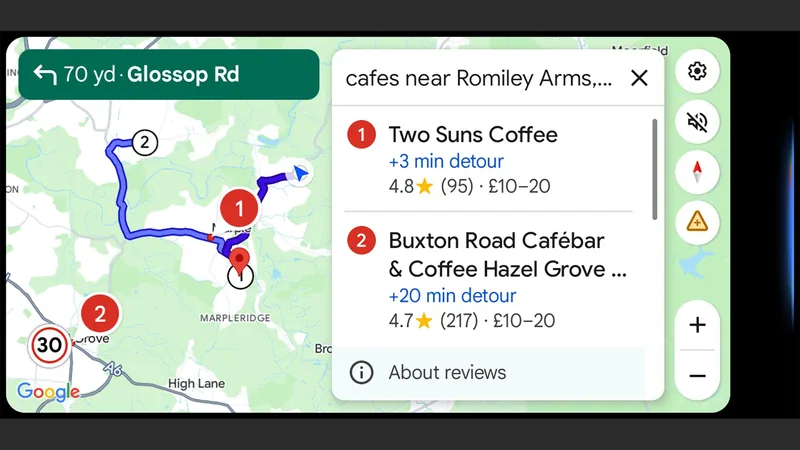
- Strategic Stops: One of the biggest advantages of driving is the freedom to pull over. Plan frequent stretch breaks, even short ones, to get out, walk around, and breathe fresh air.
- Divide and Conquer: Break very long drives into shorter segments. Consider overnight stays to reset and reduce the feeling of an endless journey.
- Travel Companions: Choose supportive and understanding companions. Their presence can be incredibly reassuring, and they can help manage stops or provide distraction when needed.
Trains and Buses: Public Transport Challenges
Trains often offer more legroom and the ability to walk around, making them a more appealing option for some. However, the close proximity to other passengers and the inability to exit at will can still be challenging. Bus travel, with its often smaller seats and crowded routes, can pose similar difficulties.
- Space Advantage: On trains, take advantage of the ability to move between carriages or stand in vestibules.
- Off-Peak Travel: If possible, travel during less crowded times on buses or trains to increase your personal space.
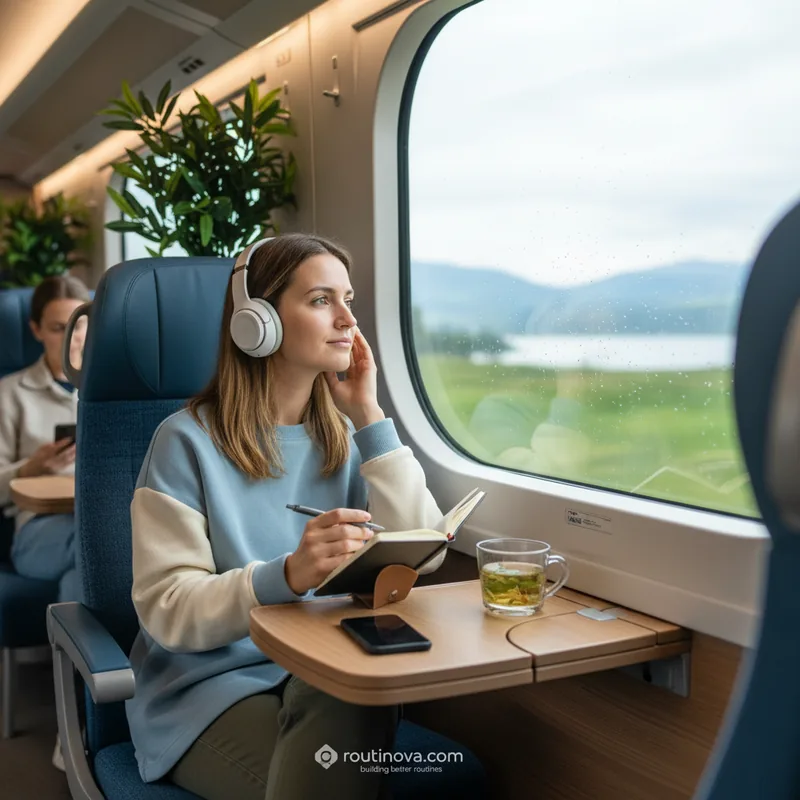
- Window Views: A window seat can provide a sense of openness and connection to the outside world, which can be calming.
Cruise Ships: Floating Cities or Confined Cabins?
The thought of a small cabin on a vast ocean might seem like a claustrophobe's nightmare. However, modern cruise ships are designed with extensive open spaces, multiple decks, and various activities. The key is knowing how to navigate them.
- Cabin Choice: If your budget allows, opt for a cabin with a balcony or at least a window to maintain a connection to the outside.
- Explore the Ship: Familiarize yourself with the ship's layout early on. Knowing where the open decks, lounges, and less crowded areas are can provide a sense of control and escape.
- Focus on Open Spaces: Spend time in the ship's larger, more open areas like the pool deck, dining rooms, or observation lounges.
Practical Strategies for Managing Travel Anxiety
Beyond understanding your triggers, actively engaging in coping mechanisms can dramatically change your travel experience. These strategies range from professional medical advice to simple mental exercises you can do on the fly. The goal is to build a robust toolkit for how to cope on any journey.
Considering Medication with Professional Guidance
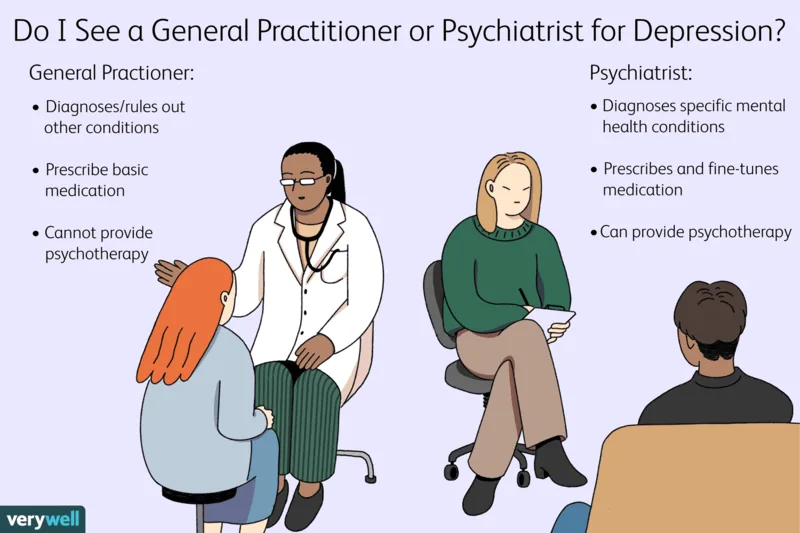
For some, medication can be a valuable short-term aid for travel-related anxiety. It's crucial to consult your healthcare provider or therapist well in advance of your trip. Even if you don't typically take medication for claustrophobia, a low dose of an anti-anxiety drug might be recommended to ease tension during travel.
- Benzodiazepines: These medications work quickly to calm the central nervous system, offering rapid relief from acute anxiety. However, they carry risks of dependence and potential interactions with other substances, especially opioids (DEA, 2022; NIDA, 2021). Discuss your full medical history and any other medications or substances you use with your provider.
- SSRIs (Selective Serotonin Reuptake Inhibitors): SSRIs are typically used for longer-term management of anxiety and depression. They take longer to become effective, often requiring several days or weeks of consistent use before benefits are felt. Your provider will advise on the appropriate timing and precautions.
Always follow your provider's instructions meticulously. This might include starting medication days before your trip, avoiding alcohol, or other specific safety measures.
Behavioral and Mental Techniques: Your Inner Toolkit
Medication is just one piece of the puzzle. Behavioral and mental strategies empower you to manage anxiety actively.
- Guided Visualization: A therapist can teach you how to use guided visualization, where you mentally transport yourself to a calming, open space. Practice this regularly before your trip. For instance, imagine yourself on a vast, empty beach, feeling the sun and hearing the waves, allowing that sense of freedom to wash over you.
- Deep Breathing Exercises: Simple yet powerful. Try the "box breathing" technique: inhale slowly for four counts, hold for four, exhale for four, and hold for four. Repeat this cycle several times. This helps to regulate your nervous system and reduce panic (Harvard Health, 2020).
- Sensory Distraction: Engage your senses to shift focus away from the enclosed space. Create a "travel playlist" of calming music, engaging podcasts, or captivating audiobooks. Bring a favorite scented essential oil (like lavender) to dab on your wrist, or a small, textured object to hold.
- Mindful Observation: Instead of focusing on your internal fear, mindfully observe your surroundings. Notice the colors, shapes, and textures without judgment. This grounds you in the present moment rather than letting your mind spiral into future anxieties.
The Power of a Support System
Don't underestimate the comfort of a trusted companion. Traveling with a supportive friend or family member can make a world of difference.
- Emotional Anchor: They can be an emotional anchor, reminding you to breathe, guiding you through exercises, or simply engaging you in conversation to distract you.
- Practical Assistance: A companion can also handle practicalities that might trigger anxiety, like navigating crowded check-in lines or managing luggage. This frees you to focus on managing your internal state.
Preparing Your Mind and Body for a Smoother Journey
Successful travel with claustrophobia often boils down to proactive preparation. It's not just about what you do during the trip, but the groundwork you lay beforehand. This forward-thinking approach is key to learning how to cope on any adventure.
Pre-Trip Rituals and Familiarization
The unknown can be a major anxiety trigger. Reducing uncertainty can significantly help.
- Familiarization Visits: If feasible, visit the airport, train station, or even a similar type of vehicle (like sitting in a friend's car for a short period) before your actual trip. This "dry run" can help you mentally prepare and desensitize yourself to the environment.
- Packing for Comfort: Pack items that bring you comfort and distraction: a favorite blanket, noise-canceling headphones, a good book, or even a small, calming fidget toy.
- Route Planning: Thoroughly research your route, including potential stops, layovers, and connection times. A clear understanding of the journey reduces unexpected stressors.
Cultivating a Resilient Mindset
Your mindset is a powerful tool. Shifting from dread to proactive management can transform your experience.
- Positive Affirmations: Practice positive self-talk. Instead of "I can't do this," try "I am prepared for this journey, and I have the tools to manage any anxiety."
- Focus on the Destination: Remind yourself of the exciting destination awaiting you. Visualize the positive experiences you'll have, shifting your focus from the journey's discomfort to its reward.
- Small Victories: Acknowledge and celebrate every small step you take in preparing for and during your trip. Each managed moment is a victory.
Claustrophobia doesn't have to be a barrier to experiencing the world. With thoughtful planning, professional guidance, and a personal arsenal of coping techniques, you can confidently learn how to cope on your travels and discover the joy of new places. Your journey starts with taking that first proactive step.