Chloe remembered the exact moment the quiet ache began. It wasn't a shouting match or a dramatic breakup, but a slow, creeping chill. It was the third time Mark had 'forgotten' their dinner plans, the way his eyes glazed over when she talked about her day, the subtle shift in his touch from affectionate to merely functional. Each ignored text, each unanswered question about their future, felt like a tiny stone added to a growing wall between them. The question echoed in her mind: Am I truly wanted here?
That feeling of being unwanted in a relationship can be profoundly isolating, leaving us questioning our worth and the very foundation of our connection. It's a common, yet deeply painful experience that many navigate. The good news is, understanding how to cope feeling this way is possible, whether it means rekindling intimacy or recognizing when it's time to move forward. This guide will help you identify the subtle signs, explore potential causes, and equip you with actionable strategies to address the disconnect.
The Quiet Ache: Recognizing the Signs of Feeling Unwanted
Feeling unwanted isn't always announced with a grand gesture of disinterest. Often, it's a gradual erosion, a collection of small shifts that accumulate into a profound sense of isolation. It's a subjective experience, yes, but there are common indicators that might signal a growing distance or a lack of reciprocal energy in your partnership.
Here's what to look for if you suspect you're grappling with this challenging emotion:
- Imbalanced Effort: You consistently find yourself initiating conversations, dates, or intimate moments, while your partner's contributions feel minimal or forced. The relationship feels like a one-sided endeavor, draining your energy without replenishment.
- Diminished Intimacy: There's a noticeable decrease in physical affection--less kissing, fewer hugs, a decline in shared intimacy, or a lack of interest in exploring new aspects of your sex life. This isn't just about sex; it's about the absence of tender, connecting touch.
- Emotional Distance: Your partner seems disengaged during conversations, often distracted or dismissive when you share your thoughts, feelings, or concerns. They might not ask about your day or show genuine interest in your life outside the relationship. For instance, you might share a significant achievement, and they offer a perfunctory 'that's nice' before changing the subject. This is a clear sign of emotional disconnect.
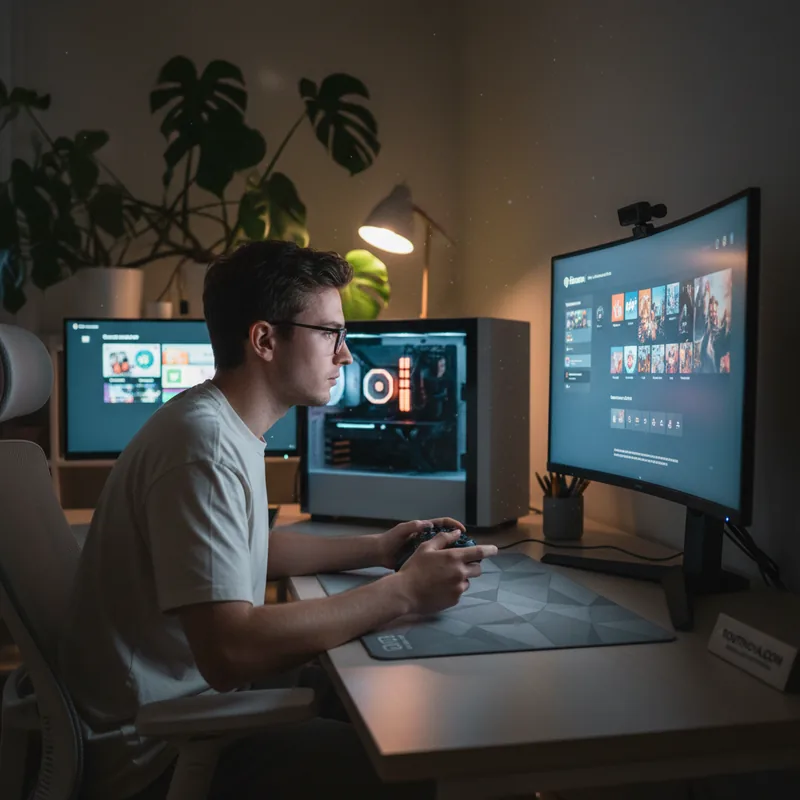
- Prioritizing Others: They consistently choose to spend quality time with friends, family, or even work over opportunities to connect with you. Planned dates are often postponed or canceled for other commitments, leaving you feeling secondary. A new example might be your partner always having time for their gaming friends but being 'too tired' for your planned movie night.
- Lack of Validation: When you express vulnerability or share a personal struggle, your partner might brush it off, make a joke, or offer unhelpful advice rather than listening empathetically. This can leave you feeling unheard and emotionally unsupported. Another new example: you confide about a stressful day at work, and your partner responds, "You're just being dramatic," invalidating your feelings.
- External Attraction: They openly express attraction to other people, whether through comments about celebrities, friends, or even strangers, sometimes in your presence. This can be deeply hurtful and erode your sense of security within the relationship.
Research indicates that people feel loved and wanted in relationships when they receive consistent positive responses from their partner, fostering an authentic connection over time and across various situations (Xia et al., 2024). When these responses dwindle, the feeling of being unwanted can take root.
Unpacking the Roots: Why This Feeling Emerges
The sensation of being unwanted is rarely simple. It's a complex emotional landscape, often with multiple contributing factors. Sometimes, the source lies within you, and other times, it's entirely about your partner's internal world or external circumstances.
Consider these potential internal causes and triggers for how to cope feeling unwanted:
- Personal Insecurity: Past experiences or self-esteem issues can make you more prone to interpreting neutral actions as rejection, even when your partner's intentions are benign.
- Jealousy or Loneliness: These powerful emotions can warp perception, making you hyper-aware of perceived slights or absences of affection.
- Relationship Dissatisfaction: If you're generally unhappy with the relationship, feelings of being unwanted can amplify, becoming a focal point for broader discontent.
- Staleness or Incompatibility: Over time, relationships can lose their spark. Sexual or romantic incompatibilities, if left unaddressed, can lead to a sense of disconnect and a feeling of not being desired.
- Unresolved Trauma or Past Experiences: Previous betrayals, rejections, or childhood attachment issues can create a deep-seated fear of abandonment, making you acutely sensitive to feeling unwanted (Leary, 2015).
But here's where it gets tricky: sometimes, your partner's apparent distance has nothing to do with you. Their behavior might be a symptom of their own struggles:
- Mental Health Challenges: Stress, depression, or anxiety can significantly impact a person's energy levels, libido, and capacity for emotional intimacy.
- Physical Health Issues: Body image concerns, low libido, or other physical ailments can make a partner withdraw from physical closeness.
- External Pressures: Demanding work problems, family issues, or general mental and physical exhaustion can consume a partner's attention and energy, leaving little left for the relationship.
- Avoidant Attachment: Some individuals struggle with intimacy and emotional expression, often due to avoidant attachment styles (Wardecker et al., 2017). They might distance themselves when things get too close, not because they don't want you, but because intimacy itself feels overwhelming. As one relationship therapist notes, "It could mean they have an inability to tolerate close or intimate relationships with anyone, no matter who they are involved with, which doesn't have anything to do with you."
Understanding these potential causes is the first step in figuring out how to cope feeling unwanted. It shifts the narrative from blame to understanding, opening pathways for communication and resolution.
Navigating the Disconnect: Practical Steps to Address It
Discovering you feel unwanted in your relationship doesn't automatically mean the end. Depending on the depth and duration of this feeling, there are proactive steps you can take to navigate this challenging terrain. The real question is, how do you move forward?
Start with Self-Reflection
Before you approach your partner, take time to sit with your feelings. Journaling, meditation, or even talking to a trusted friend or family member can help you explore the origins of this emotion. Could it be linked to your own insecurities, past experiences, or a general dissatisfaction with life? An outside perspective can offer invaluable insight, helping you discern whether your feelings are rooted in your partner's actions or your own internal landscape.
Initiate an Open Conversation
If self-reflection confirms your feelings are tied to your partner's behavior, it's time to talk. When you do, focus on expressing your feelings using "I" statements rather than accusatory "you" statements. For example, instead of "You never want to spend time with me," try "I've been feeling a bit disconnected lately, and I miss our quality time together." This approach invites collaboration, not defensiveness.
"Lots of people keep their stress to themselves and don't offer up their feelings without being asked."
Ask your partner if anything is going on in their life that might be affecting their energy or presence. They might be dealing with stress, anxiety, or other personal matters they haven't shared. Be prepared to listen without judgment. If they admit to a decrease in desire, ask for specific details about what might be causing it, and emphasize your desire to find a solution together.
Rekindle the Spark: Romantic & Sexual Exploration
Long-term relationships naturally evolve beyond the initial "new relationship energy." To combat staleness and reignite desire, consider actively shaking things up. This might involve planning adventurous dates, trying new experiences together, or exploring different aspects of your intimate life. It's about creating new memories and shared excitement that can foster a renewed sense of connection and desire.
Think about it this way: what made you feel wanted in the early days? Can you recreate elements of that excitement? A new example could be planning a surprise weekend getaway to a place you've always wanted to visit, or trying a new hobby together that pushes both of you out of your comfort zones.
Seek Professional Guidance
If individual reflection and direct conversations don't yield a resolution, a therapist or relationship coach can provide invaluable support. They can help both partners understand the underlying causes of the disconnect, offer communication tools, and guide you toward healthier patterns. A professional can also help your partner address any personal issues--mental, emotional, or physical--that might be impacting their desire or capacity for intimacy. Couples therapy can create a safe space to explore these sensitive topics together, fostering mutual understanding and a path forward.
When to Re-evaluate: Knowing When to Move Forward
Despite your best efforts, sometimes the feeling of being unwanted persists. You've reflected, communicated, tried to rekindle, and even sought professional help, but the fundamental disconnect remains. This is where understanding how to cope feeling unwanted takes a different turn: recognizing when it's time to prioritize your own well-being and consider ending the relationship.
It's a difficult truth, but if your partner consistently demonstrates a lack of interest, effort, or desire for connection, and shows no willingness to change despite your clear communication, you must ask yourself if this relationship truly serves you. Staying in a partnership where you constantly feel unloved or undesired can erode your self-esteem and lead to chronic unhappiness (Sasaki et al., 2023).
"It's important to care for yourself and separate from a relationship that is no longer working."
The bottom line is, you deserve a relationship where your needs are met, where you feel valued, and where your partner actively desires your presence. Don't wait indefinitely for things to change if there's no evidence of effort or commitment from the other side. Ultimately, the power to find a relationship that brings you joy and makes you feel truly wanted lies within you (Langeslag & van Strien, 2016).
Moving forward, whether that means a renewed commitment to your current partner or a courageous step toward a new chapter, is about honoring your own worth and seeking the connection you deserve.