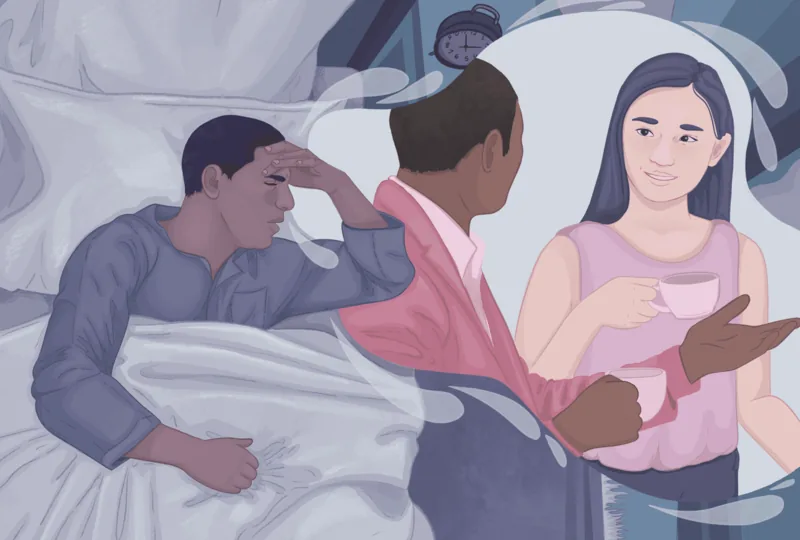
Have you ever felt your heart race and mind spiral as daily pressures mount, wondering if there's a better way to navigate life's inevitable stressors? You're not alone. Modern life presents a constant stream of challenges, but the key to resilience lies not in avoiding stress, but in developing effective coping strategies to manage it. This guide explores a multi-faceted approach to stress relief, offering practical techniques grounded in psychological research to help you restore balance and protect your well-being.
Understanding the Stress Response
Stress isn't inherently negative--it's our body's ancient survival mechanism. When faced with a perceived threat, our nervous system triggers the "fight-or-flight" response, releasing hormones like cortisol and adrenaline. This sharpens our focus and prepares us for action. However, when this state becomes chronic due to modern, persistent worries, it can erode our mental and physical health. Research indicates prolonged stress contributes to anxiety, sleep disturbances, and even impacts cardiovascular health (Harvard, 2024). The goal, therefore, is not elimination, but management--learning coping strategies to manage the body's reaction and regain control.
Calming the Body to Settle the Mind
The most immediate coping strategies to manage stress often start with the body. By calming our physiology, we can directly interrupt the stress cycle and signal safety to our brain. Deep, diaphragmatic breathing is a cornerstone technique. Inhale slowly for a count of four, hold for four, and exhale for six. This simple act activates the parasympathetic nervous system, lowering heart rate and blood pressure. Studies show regular breathwork can significantly reduce perceived stress levels (Mayo Clinic, 2023).
Beyond breathing, consider these somatic practices:
- Progressive Muscle Relaxation: Systematically tense and release muscle groups from toes to head.
- Guided Imagery: Visualize a serene, detailed place--a quiet beach or a forest path--to engage the senses and promote calm.
- Sensory Grounding: Use the "5-4-3-2-1" method: identify five things you see, four you feel, three you hear, two you smell, and one you taste.
- Nature Immersion: A new example: spending just 20 minutes in a park or green space, focusing on natural sounds and sights, can lower cortisol levels more effectively than an urban walk.
Reframing Your Emotional Landscape
When you cannot change a situation, you can change your relationship to it. Emotion-focused coping strategies to manage stress involve shifting your perception, which can transform a threat into a manageable challenge. Cultivating optimism is powerful here. This doesn't mean ignoring reality, but consciously noting positive aspects and potential outcomes. Keeping a gratitude journal, where you list three specific things you're thankful for each day, can rewire neural pathways toward a more resilient mindset.
Other effective emotional tools include:
- Compassionate Self-Talk: Replace critical inner dialogue with the kindness you'd offer a friend.
- Humor as Medicine: Seeking out laughter--whether through a funny show or reminiscing about a joyful memory--releases endorphins and provides cognitive distance from stress.
- Creative Expression: A new example: channeling feelings into art, music, or writing without judgment. The process itself, not the product, becomes a release valve for pent-up emotion.
Taking Action: Solution-Focused Approaches
For stressors within your influence, proactive problem-solving is key. These coping strategies to manage stress involve identifying one actionable step to alter the circumstance. Often, a small, deliberate change creates a ripple effect, dismantling the feeling of being trapped. Start by breaking an overwhelming problem into micro-tasks. Completing the first, simplest item builds momentum and a sense of agency.
Practical action-oriented strategies include:
- Time-Blocking: Schedule specific periods for deep work, administrative tasks, and mandatory breaks to prevent overwhelm.
- Setting Digital Boundaries: A new example: implementing a daily "tech sunset" one hour before bed, silencing non-essential notifications to protect mental space and improve sleep hygiene.
- Seeking Support: Delegate tasks or ask for help, whether from colleagues, family, or professionals. Articulating the problem often clarifies the solution.
Building a Sustainable Stress-Resilience Practice
True mastery comes from integrating these techniques into a lifestyle that buffers against stress. Consistency matters more than intensity. Aim to weave one or two practices into your daily routine--perhaps five minutes of morning meditation or an evening walk. Nutrition and sleep are foundational; even the best cognitive strategies falter on poor sleep and a diet of processed foods. Prioritize regular, moderate exercise, which acts as a natural stress metabolizer.
Remember, these are tools, not tests. Some days, deep breathing will suffice; other days, you may need to journal and then make an action plan. The most effective approach is often a blend--using calming techniques to gain clarity, then applying that clarity to make practical changes. If stress feels unmanageable or interferes with daily functioning for an extended period, consulting a mental health professional is a sign of strength, not weakness. They can provide personalized guidance and support as you refine your unique toolkit of coping strategies to manage life's pressures and thrive.