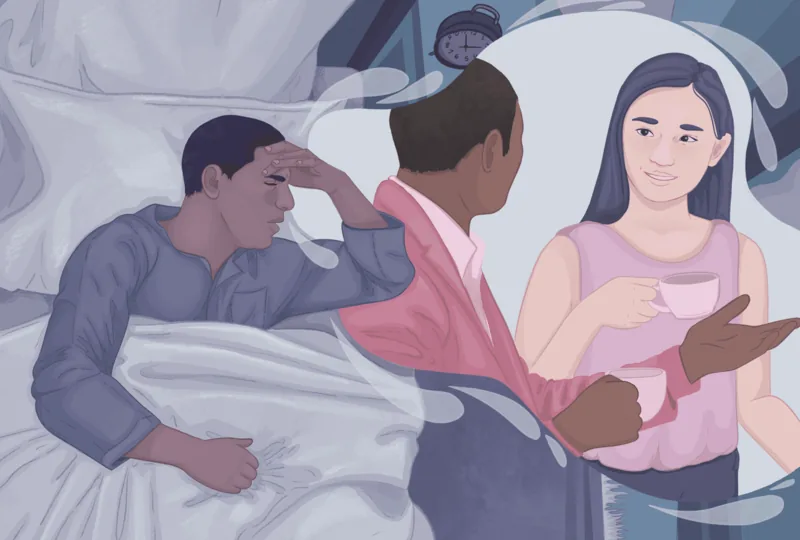
Domestic abuse, a pervasive and often hidden crisis, impacts countless lives globally, leaving deep scars that extend far beyond physical harm. Understanding the nuances of this complex issue is the first step toward prevention and healing. This comprehensive guide delves into the various domestic abuse types, their underlying causes, and the profound impact they have, equipping you with the knowledge to identify abuse and support survivors effectively. Anyone, regardless of background, can become a victim, making awareness of domestic abuse: types and indicators critically important.
At its core, domestic abuse is a pattern of controlling behaviors used by one individual to gain power over another in an intimate relationship or household. This can manifest in numerous ways, from overt physical violence to subtle emotional manipulation or financial control. Recognizing these diverse forms of abuse is crucial for intervention and for fostering safer environments within our communities (Harvard, 2024).
Understanding Domestic Abuse: Types and Definitions
Domestic abuse encompasses a wide spectrum of behaviors designed to terrorize, manipulate, or control a family member or intimate partner. While often associated with physical violence, the reality is that domestic abuse: types are far more diverse, including emotional, financial, sexual, and even technological forms (United Nations, 2024). This pattern of behavior is a serious public health concern, frequently underreported despite its widespread prevalence.
Here are some of the primary types of domestic abuse:
- Physical Abuse: This involves any intentional act causing bodily harm or pain. Examples include slapping, hitting, kicking, punching, choking, or pushing. It can also involve denying necessary medical care or forcing drug use, causing significant physical injuries and long-term health issues.
- Sexual Abuse: This refers to any sexual act committed without explicit consent. It includes forced sexual contact, unwanted touching, coercion into sexual acts, or exploitation. Sexual abuse is a profound violation of bodily autonomy and can occur within any relationship, regardless of marital status.
- Emotional or Psychological Abuse: Often insidious and difficult to detect, this form of abuse aims to undermine a person’s self-worth and mental well-being. It includes constant criticism, name-calling, gaslighting, intimidation, isolation from friends and family, or threats against loved ones. A new example might be perpetually belittling a partner’s career aspirations or personal achievements, making them doubt their capabilities.
- Neglect: While often associated with child or elder abuse, neglect can also occur between adults, particularly if one adult is dependent on another. This involves failing to provide basic necessities like food, shelter, clothing, medical care, or adequate supervision. Emotional neglect, the withholding of love, care, and support, is equally damaging.
- Financial Abuse: This involves gaining control over an individual’s financial resources, severely limiting their independence. Tactics include controlling income, restricting access to money, accumulating debt in their name, or preventing them from working. An abuser might also force their partner to take out loans or credit cards against their will, leaving them in financial ruin (Harvard, 2024).
- Cultural Identity Abuse: This particularly cruel form of abuse targets a person’s sense of self and belonging. It might involve using racial or ethnic slurs, threatening to “out” someone as LGBTQ+, or forbidding them from practicing their faith or cultural traditions. This type of abuse weaponizes a person’s identity against them.
- Technological Abuse: With the rise of digital tools, abusers increasingly leverage technology to control and harass. This includes using tracking apps to monitor movements, demanding access to social media or email accounts, or spreading rumors online. A new example could be secretly installing cameras or listening devices in the home to maintain constant surveillance.
- Immigration Abuse: This form of abuse exploits a person’s immigration status to inflict harm and maintain control. Abusers might threaten deportation, destroy or hide crucial immigration documents, or threaten family members abroad. This creates immense fear and makes victims hesitant to seek help, fearing severe repercussions.
Understanding these diverse forms of domestic violence is crucial for recognizing when a situation moves beyond typical relationship challenges into a pattern of abuse. Each type erodes a person’s autonomy and well-being, demanding recognition and intervention.
Recognizing the Signs of Domestic Abuse
Identifying the signs of domestic abuse is a critical step in protecting individuals and fostering safer communities. Victims often hide their experiences due to shame, fear, or manipulation, making it essential for friends, family, and colleagues to be vigilant. The indicators of abuse can be subtle or overt, manifesting physically, emotionally, and behaviorally (CDC, 2024).
Here are some common signs that someone may be experiencing domestic abuse: types of which might not always be visible:
- Physical Indicators: Visible injuries such as unexplained cuts, bruises, black eyes, or broken bones are clear red flags. Victims might also show signs of strangulation, burns, or specific patterns of injury. They may frequently wear long-sleeved clothing or sunglasses, even indoors, to conceal these marks.
- Behavioral Changes: A person experiencing abuse may exhibit sudden shifts in their personality or daily habits. They might become withdrawn, quiet, or unresponsive, losing interest in activities they once enjoyed. Conversely, they could appear agitated, anxious, or unusually nervous around specific individuals.
- Emotional Distress: Victims often display heightened levels of fear, anxiety, or depression. They may seem extremely meek, apologetic, or constantly on edge, like they are “walking on eggshells.” This emotional toll can lead to unusual eating or sleeping patterns, indicating severe stress and trauma.
- Social Isolation: Abusers frequently isolate their victims from friends, family, and support networks. You might notice the person gradually losing contact with loved ones, canceling plans frequently, or having their partner answer calls and texts. They may also be prevented from working or attending school.
- Financial Difficulties: Sudden and unexplained financial hardship can be a sign of financial abuse. This might include an inability to access money, being forced to ask for every expense, or having their partner control all finances without their consent. They might express worry about money despite having a stable income.
- Appearance and Self-Care: A person experiencing neglect might appear unkempt, malnourished, or dehydrated. Their living conditions might also deteriorate, becoming unsafe or unsanitary, reflecting a lack of care or control over their environment.
- Hypervigilance and Fear: A constant state of hypervigilance, where the individual is always scanning their environment for potential threats or trying to anticipate their abuser’s mood, is a common symptom. They may jump at sudden noises or seem overly compliant to avoid conflict (Harvard, 2024).
Recognizing these indicators requires empathy and careful observation. It’s important to approach the situation with sensitivity, understanding that victims may be reluctant or unable to disclose their abuse directly. Learning to spot these signs of domestic abuse: types and impacts can empower you to offer crucial support.
Unpacking the Causes of Domestic Abuse
Domestic abuse is a complex societal problem with multifaceted roots, rather than simply individual acts of violence. Research indicates that a combination of cultural, legal, economic, environmental, and social factors contribute to its prevalence (Yakubovich et al., 2018). Understanding these systemic causes is essential for developing effective prevention and intervention strategies.
- Cultural Factors: Historically, many patriarchal societies have normalized the subjugation of women and children, often viewing them as property. This cultural conditioning can perpetuate cycles of violence, where abuse is seen as an acceptable form of discipline or control. Concepts of “family honor” can also lead to severe judgment and abuse against individuals perceived to have brought shame upon the family, particularly women. Even in 2025, subtle patriarchal norms can still influence attitudes towards domestic roles and power dynamics.
- Legal Factors: In many jurisdictions, law enforcement and legal systems have historically treated domestic abuse as a private family matter, hesitant to intervene. This leniency, compared to crimes committed by strangers, sends a dangerous message that such violence is less serious. Furthermore, some cultures still do not recognize intimate partner sexual abuse as a crime, creating legal loopholes that protect abusers and trap victims (United Nations, 2024).
- Economic Factors: A lack of economic resources and financial instability are strongly correlated with increased rates of domestic abuse. Poverty can create heightened stress within households, and financial dependence often traps victims in abusive relationships, making it incredibly difficult to leave. Abusers frequently exploit this vulnerability to maintain control.
- Environmental Factors: Growing up in an abusive environment, witnessing or experiencing violence as a child, significantly increases the likelihood of perpetrating or being a victim of abuse as an adult. This phenomenon, known as the intergenerational cycle of abuse, demonstrates how learned behaviors and trauma can be passed down through families (Greene et al., 2020).
- Social Factors: Societal victim-blaming remains a significant barrier for survivors seeking help. Victims are often scrutinized, their credibility questioned, and any perceived imperfections used to justify the abuser’s actions. This pervasive social stigma discourages reporting and can lead to survivors feeling isolated and ashamed, further entrenching the abuse.
- Substance Use: While not a direct cause, excessive use of alcohol and drugs can exacerbate existing tendencies towards aggression and impair judgment, increasing the risk of domestic abuse. Substance use can lower inhibitions, intensify conflicts, and make it more difficult for individuals to control violent impulses, though it’s crucial to note that substance use does not cause abuse; abusers are responsible for their actions.
Addressing these systemic and individual factors requires a multi-pronged approach, including cultural shifts, legal reforms, economic empowerment, and robust social support systems. Understanding these causes helps us move beyond simplistic explanations and tackle the root issues contributing to all domestic abuse types.
The Profound Impact of Domestic Abuse
The impact of domestic abuse extends far beyond the immediate physical injuries, leaving deep and lasting psychological, emotional, and physical scars. Survivors often endure a complex array of consequences that can affect their health, relationships, and overall well-being for years, even decades, after the abuse has ceased. The long-term effects underscore the critical need for comprehensive support and healing resources (Cleveland Clinic, 2024).
- Psychological and Emotional Trauma: Victims frequently experience profound psychological distress. They may internalize blame, believing they are responsible for the abuse, or feel unworthy of love and respect. Common mental health conditions include depression, anxiety disorders, post-traumatic stress disorder (PTSD), and complex trauma (Malik et al., 2021). Survivors often struggle with severe guilt, shame, and a pervasive sense of helplessness.
- Erosion of Self-Worth and Autonomy: Abusers systematically dismantle a victim’s self-esteem, making them doubt their perceptions and decisions. This can lead to a feeling of being used, controlled, and manipulated, profoundly impacting their sense of self. They may develop a constant need to regulate the abuser’s emotions, losing touch with their own needs and desires.
- Behavioral Changes: Living under constant threat can force individuals to alter their behavior drastically to avoid upsetting their abuser. This might include withdrawing from social activities, having difficulty sleeping or concentrating, or developing unusual eating habits. Hypervigilance, a state of constantly being on guard, is a common coping mechanism that is mentally exhausting.
- Physical Health Consequences: The stress and direct physical harm from abuse can lead to a myriad of physical health problems. These include chronic pain, digestive issues, heart disease, muscle and bone conditions, and even fertility problems (CDC, 2024). The constant state of fight-or-flight can severely compromise the immune and nervous systems, leading to long-term health vulnerabilities.
- Social Isolation: Abusers actively work to isolate their victims, cutting them off from support networks. This isolation exacerbates feelings of loneliness and despair, making it harder for survivors to seek help or envision a life free from abuse. Rebuilding social connections is a significant challenge in recovery.
- Difficulty in Future Relationships: The trauma of domestic abuse can make it incredibly difficult for survivors to trust others and form healthy relationships in the future. They may fear intimacy, struggle with boundaries, or inadvertently repeat patterns of unhealthy dynamics, highlighting the need for specialized therapeutic interventions.
The pervasive effects of all domestic abuse types highlight the urgent need for early intervention, robust support systems, and long-term therapeutic care to help survivors reclaim their lives and heal from their profound experiences.
Offering Compassionate Support to Survivors
Supporting someone who has experienced domestic abuse requires immense empathy, patience, and a non-judgmental approach. It’s crucial to remember that survivors are on their own unique healing journey, and your role is to empower them, not to dictate their choices. Providing a safe, understanding space is paramount (United Nations, 2024).
Here are actionable steps to offer compassionate support:
- Listen and Believe Them: The most fundamental step is to listen without judgment and unequivocally believe their account. Validate their experiences and feelings. Many survivors have been gaslighted or dismissed, so hearing “I believe you” can be incredibly powerful.
- Honor Their Process: Understand that leaving an abusive relationship is complex and often dangerous. Avoid pushing your personal views or timelines. Respect their decisions, even if they choose to stay or return to the abuser multiple times. Let them know you’ll be there for them regardless of what they decide.
- Offer Practical Assistance: Ask what they need and offer specific help. This could include providing a safe place to stay, helping with childcare, assisting with transportation, or simply being available for a confidential phone call. Concrete support can make a huge difference in their ability to cope or plan for safety.
- Document Details (If Safe): Encourage them, if they feel safe and able, to note down any details they remember about incidents of abuse. This can include dates, times, specific actions, and any evidence like texts or photos. This documentation can be vital for future legal or protective actions.
- Reiterate It’s Not Their Fault: Survivors often carry immense guilt and shame. Constantly remind them that they are not to blame for anything that has happened. The responsibility lies solely with the abuser. This message needs to be reinforced repeatedly.
- Encourage Professional Support: Gently suggest seeking help from trained professionals. This could be through a confidential domestic violence hotline (1-800-799-7233 for the National Domestic Violence Hotline) or connecting with medical or mental healthcare providers specializing in trauma. Offer to help them find resources or even accompany them to appointments if they wish.
- Discuss Safety Planning: If they are considering leaving or are in immediate danger, help them create a safety plan. This involves identifying safe places, packing an emergency bag with essential documents, and establishing a code word with trusted contacts. For immediate danger, always advise calling 911.
- Maintain Ongoing Support: Recovery is not linear. Be prepared to offer long-term support, understanding that healing from all domestic abuse types takes time. Check in regularly, continue to offer a safe space, and celebrate their progress, no matter how small.
Your consistent, empathetic presence can be a lifeline for someone navigating the aftermath of abuse. By understanding the complexities of domestic abuse: types, signs, and impacts, you become a crucial part of the solution, helping survivors find their path to safety and healing.
If you or a loved one are a victim of domestic violence, contact the National Domestic Violence Hotline at 1-800-799-7233 for confidential assistance from trained advocates. For more mental health resources, see our National Helpline Database.