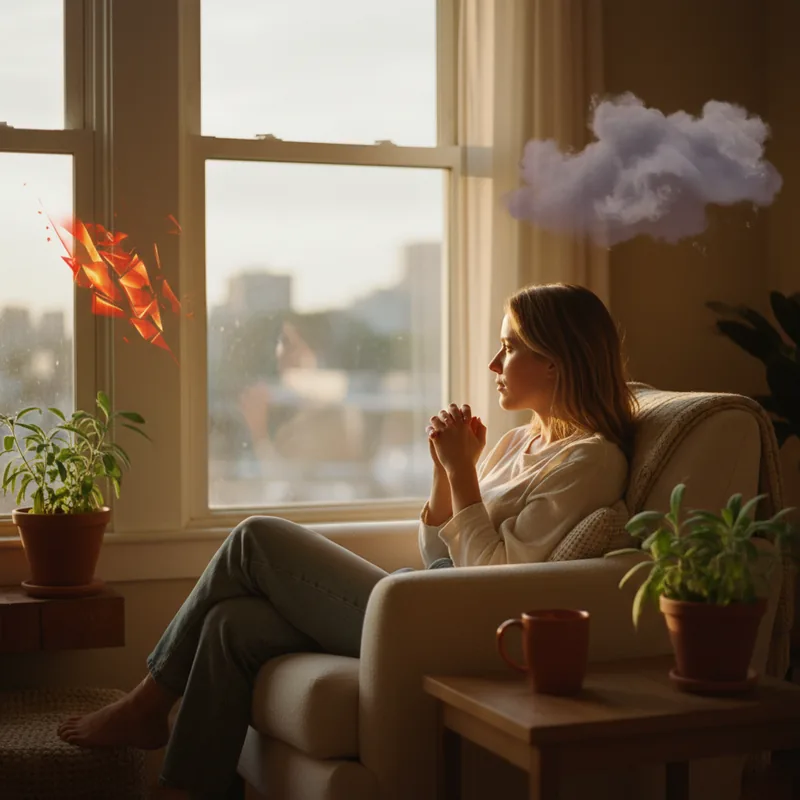
You probably use "fear" and "anxiety" interchangeably. Most of us do. But here's the thing: while both can send your heart racing and palms sweating, these two powerful emotions are fundamentally distinct. Understanding why fear anxiety are different isn't just a linguistic nuance; it's a game-changer for how you manage stress, respond to challenges, and ultimately, cultivate habits for a calmer, more productive life.
At their core, both fear and anxiety activate our ancient fight-or-flight system, a hardwired survival mechanism. This innate stress response, characterized by muscle tension, a rapid heart rate, and shortness of breath, floods our bodies with adrenaline and cortisol, preparing us to either confront danger or flee from it (Tovote et al., 2015). It's a powerful evolutionary tool, ensuring our ancestors could react swiftly to a saber-toothed tiger or a rival tribe. Without it, our minds wouldn't register threats, and our bodies couldn't react.
But here's where it gets interesting, and profoundly impactful: the nature of that "danger" is what truly separates these two emotional titans. This distinction is key to understanding why fear anxiety are not the same despite their shared physiological effects and why treating them effectively requires different approaches.
The Immediate Threat: What is Fear?
Think of fear as an alarm bell ringing in the face of a clear, present danger. It's a primal, intense emotional response to a known threat that is happening right now. Imagine you're driving, and suddenly, a car swerves directly into your lane, forcing you to slam on your brakes. That sudden jolt of terror, the immediate surge of adrenaline, the instinctive swerve of your own wheel? That's fear in action. The threat is tangible, specific, and happening in the immediate moment. It's a powerful, often short-lived reaction designed to protect you, urging you to take immediate action.
Other examples of fear include encountering a venomous snake on a hiking trail, realizing you're about to miss a crucial deadline with mere minutes to spare, or hearing an intruder break into your home. In each scenario, the danger is unambiguous, present, and demands an immediate, focused response. Your mind narrows its focus, prioritizing survival above all else.
The Lingering Unease: What is Anxiety?
Anxiety, by contrast, is a feeling of nervousness, worry, or unease, typically about an event or something with an uncertain outcome. It's less about the car that just swerved into your lane and more about the persistent worry of what if a car swerves into your lane on your daily commute next week. Or, perhaps, the low hum of dread you feel for days before checking your child's school report card, anticipating a potential disappointment. The danger isn't immediate or clearly defined; it's a potential future event, a poorly understood threat, or a general sense of apprehension.
Consider the feeling of unease before a major job interview next month. The threat isn't physical, nor is it happening now. It's a future possibility of failure, rejection, or underperformance. Similarly, the persistent worry about a loved one's health after they've received a concerning diagnosis, even if they are currently stable, embodies anxiety. It's the mind's way of anticipating and trying to prepare for potential future problems, often leading to a chronic state of worry that can drain your energy and impact your focus.
This subtle difference in focus--real vs. perceived/future danger--is paramount. While fear can certainly trigger anxiety (the lingering worry after a near-miss accident), and chronic anxiety can make you more prone to fear, recognizing their distinct origins is the first step toward effective management (Daniel-Watanabe & Fletcher, 2021). It allows you to tailor your response, addressing an immediate threat differently than a persistent, uncertain worry.
What Fear and Anxiety Feel Like
Despite their distinct triggers, the physical manifestations of fear and anxiety are remarkably similar, often making it challenging to tell them apart without context. Both can unleash a torrent of uncomfortable somatic (physical) sensations throughout your body, hallmarks of the activated stress response.
When gripped by either emotion, you might experience a rapidly accelerated heart rate, a sensation of chest tightness or even pain, and shortness of breath, as if you can't quite get enough air. Your muscles might tense to an almost painful degree, particularly in your jaw, neck, and shoulders, leaving you feeling rigid and coiled. Headaches, dizziness or feeling faint, and a churning, upset stomach or nausea are also common companions.
Beyond these, some individuals report more unsettling symptoms like sudden cold chills or hot flushes, tingling or numbness in their extremities, or even a sense of depersonalization or derealization--feeling detached from your own body, thoughts, or surrounding reality. Excessive sweating, shaking, trembling, and sleep disturbances frequently accompany both states. It's this intense overlap in physical and emotional experience that often leads us to conflate the two, blurring the lines of why fear anxiety are often confused when we rely solely on bodily cues (Sadock et al., 2015).
For example, the immediate panic of almost stepping on a snake (fear) might cause the same racing heartbeat and sweaty palms as the nagging worry about an upcoming performance review (anxiety). Your body reacts similarly to protect itself, whether the threat is perceived or immediate, highlighting the need to look beyond symptoms to the source of the emotion.
Understanding Their Roots: Causes and Triggers
Fear fundamentally arises from the possibility of harm, be it physical danger, psychological threat, or emotional distress. While often unpleasant, fear serves a crucial protective function. A moderate level of fear or anxiety can actually be beneficial, sharpening your senses, improving focus, and preparing your body to react swiftly and decisively when necessary. It's the adrenaline boost that helps you perform under pressure or avoid an accident.
When you encounter a perceived threat, whether real or imagined, your amygdala--a key almond-shaped brain structure involved in processing emotions and memory--kicks into high gear. This triggers a rapid cascade of physiological reactions, signaling to the hypothalamus and pituitary gland to release stress hormones like cortisol and adrenaline throughout your system. This hormonal surge primes your muscles for action, increases heart rate, and heightens sensory awareness, all preparing you for the "fight, flight, freeze, or fawn" response (Harvard Health Publishing, 2024).
When Emotions Overstay: Related Conditions
While a fleeting moment of fear or a bout of pre-exam anxiety is a normal part of life, chronic or disproportionate anxiety can become debilitating, interfering significantly with daily life, relationships, and overall well-being. Unhealthy levels of fear and anxiety are central to numerous mental health conditions, often requiring professional intervention. These feelings are most commonly associated with a spectrum of anxiety disorders, including:
- Specific Phobias: Characterized by an intense, irrational fear of a particular object or situation, such as extreme fear of heights (acrophobia), spiders (arachnophobia), or flying (aerophobia). The fear is out of proportion to the actual danger.
- Agoraphobia: A type of anxiety disorder where you fear and often avoid places or situations that might cause you to panic and feel trapped, helpless, or embarrassed. This can include public transportation, open spaces, enclosed spaces, standing in line, or being outside of the home alone.
- Social Anxiety Disorder (Social Phobia): Marked by a persistent, intense fear of social situations, particularly of being judged, scrutinized, or humiliated by others. This can severely impact one's ability to work, study, or form relationships.
- Panic Disorder: Involves recurrent, unexpected panic attacks, which are sudden episodes of intense fear that trigger severe physical reactions when there is no real danger or apparent cause. People with panic disorder often live in fear of the next attack.
- Separation Anxiety Disorder: Excessive and developmentally inappropriate anxiety concerning separation from home or from those to whom the individual is attached. While often associated with children, adults can also experience it.
Beyond these primary anxiety disorders, conditions like post-traumatic stress disorder (PTSD), stemming from exposure to traumatic events, and obsessive-compulsive disorder (OCD), characterized by intrusive thoughts and repetitive behaviors, also frequently manifest with significant anxiety. It's estimated that nearly 20% of U.S. adults experience symptoms of an anxiety disorder annually, with women tending to experience these symptoms more often than men (Gregory et al., 2020). Given this prevalence, experts now recommend that all women over the age of 13 should be screened for anxiety conditions. If these feelings become overwhelming or interfere with your ability to function, seeking professional guidance is a vital step towards reclaiming your peace of mind.
Pathways to Peace: Treatment and Coping
If you're grappling with unmanageable fear or anxiety that significantly impacts your daily life, your first and most crucial step should be consulting a healthcare professional. They will conduct a thorough assessment of your current symptoms, medical history, and overall well-being to determine the underlying causes. From there, they can make a diagnosis or refer you to a specialty treatment provider for further assessment and a personalized plan. The ultimate goal is not to eliminate these natural emotions entirely, but to reduce their intensity, manage their impact, and help you regain a sense of control over your reactions.
Professional Support
Effective treatments for anxiety and fear often involve a combination of therapeutic approaches, sometimes complemented by medication, tailored to your specific needs:
- Cognitive Behavioral Therapy (CBT): Considered a first-line treatment, CBT is a highly effective, structured form of psychotherapy. It involves working with a therapist to identify and challenge the underlying negative thought patterns and maladaptive behaviors that contribute to feelings of fear and anxiety. Through CBT, you learn to recognize distorted thinking and develop new, healthier ways of processing information and reacting to stressors, gradually reducing the intensity of your emotional responses (Curtiss et al., 2021).
- Exposure Therapy: This specialized form of CBT is particularly potent for phobias and anxiety disorders where avoidance is a primary coping mechanism. It involves gradually and systematically exposing yourself to the situations or objects you fear in a safe, controlled environment. Whether it's through imagined scenarios, virtual reality, or real-life encounters, repeated, gentle exposure helps to desensitize your fear response, allowing the feelings of fear to gradually lessen over time (Sars & van Minnen, 2015).
- Acceptance and Commitment Therapy (ACT): This innovative approach helps you develop psychological flexibility. Instead of trying to fight, control, or push away negative thoughts and feelings, ACT teaches you to accept them as part of your experience. It incorporates mindfulness practices to help you stay present and committed to actions aligned with your values, even in the presence of discomfort, leading to a calmer and less distressed relationship with difficult emotions (Hasheminasab et al., 2015).
- Medication: When appropriate, various medications can significantly help relieve anxiety symptoms, often proving most effective when paired with ongoing therapy. Commonly prescribed anti-anxiety medications include antidepressants (like SSRIs or SNRIs), benzodiazepines (for short-term relief), and beta-blockers (to manage physical symptoms like heart palpitations). Your doctor will discuss the best option for your individual situation.
Daily Strategies
In addition to professional support, numerous self-management techniques can empower you to cope with fear and anxiety in your daily life. Remember, facing your fear in a safe, incremental way is often the most potent path to overcoming it. The more often you engage in activities you fear, the less frightening they become over time, building confidence and resilience.
Consider incorporating these practical, habit-forming strategies into your routine:
- Move Your Body: Research consistently shows that regular physical activity is a powerful antidote to anxiety, helping to release built-up tension, reduce stress hormones, and improve overall mood (Aylett et al., 2018). Even a brisk 30-minute walk, a yoga session, or a dance class can make a noticeable difference in calming your nervous system.
- Practice Mindfulness and Meditation: These ancient practices are designed to anchor you in the present moment, reducing rumination about the past or worry about the uncertain future. Simple guided meditations, body scans, or mindful breathing exercises can cultivate a sense of calm, increase self-awareness, and help you observe thoughts and feelings without getting swept away by them.
- Try Relaxation Techniques: Techniques like progressive muscle relaxation, where you systematically tense and then release different muscle groups, or guided visualization, where you mentally transport yourself to a peaceful scene, can induce a profound sense of calm and control. These practices teach your body and mind to relax on command, a crucial skill when dealing with stressful situations.
- Utilize Deep Breathing: When fear or anxiety strikes, our breathing often becomes shallow and rapid, exacerbating distress and reinforcing the body's alarm system. Deliberate deep breathing, engaging your diaphragm, activates your parasympathetic nervous system--your body's "rest and digest" response. This simple yet powerful technique can quickly calm you down, reduce physical symptoms, and help you feel more grounded and less overwhelmed (Ma et al., 2017).
Understanding why fear anxiety are distinct emotions isn't just academic; it's a practical tool for building resilience and improving your daily well-being. By recognizing what you're truly feeling and why, you can choose the most effective strategies to navigate life's inevitable challenges with greater clarity, peace, and control.
If you or a loved one are struggling with persistent or overwhelming feelings of anxiety or fear, please reach out for help. Support and treatment facilities are available to guide you toward a healthier, calmer life. Taking that first step is a profound act of self-care and strength.