Are you someone who thrives on novelty, embraces new ideas, and constantly seeks out fresh perspectives? Or do you find comfort in routine, tradition, and the familiar? The answer often lies in your level of openness, a fundamental personality trait that profoundly influences your behavior and shapes your entire life experience. Understanding how openness affects your behavior is key to self-awareness, personal growth, and navigating the complexities of the modern world. This guide delves into the complete impact of openness, offering insights for 2025 and beyond.
Why Understanding Openness Matters
In our rapidly evolving world, adaptability, creativity, and a willingness to embrace change are more valuable than ever. Your level of openness dictates how you respond to these demands, impacting everything from your career choices and personal relationships to your political views and problem-solving approaches. For instance, someone with high openness might be quick to adopt new technologies or pivot careers, while someone with low openness might prefer stability and proven methods. Recognizing this trait in yourself and others can foster better communication, empathy, and personal development, making it a critical aspect of psychological literacy in 2025.
Understanding Openness: A Core Personality Trait
Openness stands as one of the “Big Five” personality traits, a widely accepted model in psychology that describes personality through five broad dimensions: Agreeableness, Conscientiousness, Extraversion, Openness, and Neuroticism. This trait essentially measures an individual’s receptiveness to new ideas, experiences, and unconventional thinking. It’s often referred to as “openness/intellect” or “openness to experience” in academic circles, highlighting its deep connection to cognitive functions and intellectual curiosity (Harvard, 2024).
Each of the Big Five traits exists on a continuum, meaning you’re not simply “open” or “not open,” but rather you fall somewhere along a spectrum. Individuals can be high in openness, indicating a strong preference for novelty and abstract thought, or low in openness, suggesting a greater comfort with tradition and familiarity. Many people, however, reside somewhere in the middle, exhibiting a balanced blend of these tendencies. Research consistently shows that where you land on this spectrum can significantly impact various aspects of your life, including your mental and physical well-being, the quality of your relationships, and your success in academic and professional settings (Harvard, 2024). Understanding this foundational concept is crucial to grasping how openness affect behavior in a myriad of ways.
The Defining Characteristics of Highly Open Individuals
Individuals who score high on the openness scale tend to display a distinctive set of characteristics that shape their interactions with the world. They are often described as adventurous, possessing an insatiable curiosity that drives them to explore novel things and ideas. This adventurous spirit isn’t just about physical exploration; it extends to intellectual and emotional realms, prompting them to delve into complex philosophical discussions or artistic endeavors. Their minds are fertile ground for creativity, making them adept at divergent thinking and more likely to pursue creative achievements, particularly in the arts (Harvard, 2024). For example, a highly open individual might immerse themselves in learning a new, complex programming language purely for the challenge, or passionately take up abstract painting without prior experience.
Beyond creativity, high openness is strongly correlated with intelligence and a deep enjoyment of abstract concepts. They thrive on making connections between seemingly disparate ideas, a hallmark of innovative thought. This intellectual curiosity often translates into a broad base of knowledge and a desire for continuous learning. Furthermore, people high in openness are typically more liberal in their political and social views, showing a greater acceptance and appreciation for diversity across cultures, backgrounds, and lifestyles. They are also more likely to engage in “absorption,” a psychological trait characterized by vivid imagination and a heightened capacity for spiritual or immersive experiences. This makes them more attuned to their inner emotional landscape and the nuances of the world around them, truly showcasing how openness affects behavior through enriched internal and external experiences.
How Openness Develops: Nature, Nurture, and Evolution
The intriguing question of why some individuals are more open than others often leads to the classic nature versus nurture debate in psychology. Research suggests that both genetic predispositions and environmental influences play significant roles in shaping a person’s level of openness. On the “nature” side, studies have identified a biological component, showing that openness can predict a notable percentage of the variation in the brain’s default network function (Harvard, 2024). This network is crucial for processes like retrieving episodic memories, future planning, and creative cognition, indicating an inherent neurological foundation for this trait. The intricate wiring of our brains, therefore, contributes to how readily we embrace new experiences and ideas.
However, environmental factors (“nurture”) are equally powerful in the development of openness. The way you were raised, particularly the parenting styles you experienced, and your early interactions with family, peers, and educators, can profoundly impact your receptiveness to novelty. A childhood environment that encourages exploration, critical thinking, and exposure to diverse perspectives is more likely to foster higher openness. It’s a dynamic, two-way street: while your environment shapes your personality, your innate personality traits also influence the types of environments you seek out. For instance, a naturally curious child might gravitate towards libraries or science clubs, further nurturing their openness. It’s also worth noting that some studies suggest openness tends to subtly decrease with age, perhaps as individuals settle into established routines and preferences. This complex interplay of genetics, upbringing, and life choices ultimately determines how openness affects behavior throughout a person’s lifespan.
Measuring Your Openness to Experience
Determining your level of openness, much like other personality dimensions, is primarily done through self-report inventories. These psychological questionnaires present a series of statements, and individuals are asked to rate their agreement on a scale, typically from “strongly disagree” to “strongly agree.” These assessments are designed to capture various facets of the trait, from intellectual curiosity to aesthetic appreciation. For example, statements might include “I’m good at coming up with new ideas,” “I often think about the deeper meaning of things,” or “I enjoy philosophical discussions.” Answering “strongly agree” to most of these statements would suggest a high degree of openness, while consistent “strongly disagree” responses would indicate lower openness. Most people, however, find themselves responding with a mix, placing them somewhere in the middle of the spectrum.
While these self-assessments offer a quick and accessible way to gain insight into your personality, it’s important to acknowledge their limitations. One potential drawback is that results aren’t always entirely reliable. Individuals might consciously or unconsciously answer in ways they perceive as more socially desirable, or they might project how they wish to see themselves rather than reflecting their true behaviors and thoughts. Despite these challenges, such quizzes can provide a general idea of where you stand, serving as a valuable starting point for self-reflection on how openness affects behavior in your daily life. They can prompt you to consider areas where you might want to cultivate more adventurousness or intellectual engagement.
Deep Dive: How Openness Affects Your Behavior & Life Choices
The impact of openness on your behavior is pervasive, influencing your cognitive processes, social interactions, and even your fundamental life decisions. It’s not just about being “open-minded”; it’s a driving force behind many of your actions and preferences. Understanding how openness affect behavior provides a clearer picture of individual differences and potential for growth.
Boosting Creativity and Driving Innovation
Openness to experience is arguably the personality trait most consistently linked with creativity. Individuals high in openness are more prone to engage in divergent thinking, generating multiple unique solutions to problems, and are more likely to pursue and achieve creative milestones, especially in artistic fields (Harvard, 2024). This translates into a higher likelihood of making breakthrough innovations, those transformative ideas that dramatically alter industries or markets. For instance, an engineer high in openness might constantly experiment with unconventional designs, leading to a revolutionary product that reshapes consumer expectations.
Fueling Learning and Intellectual Curiosity
Open people possess a strong intrinsic motivation to acquire knowledge for its own sake. They are genuinely curious about how the world functions and have a high “need for cognition,” meaning they enjoy activities that demand mental effort, such as solving complex puzzles, brainstorming, or analyzing intricate ideas. This trait is not only correlated with general intelligence but specifically with crystallized intelligence – the ability to leverage accumulated facts and knowledge throughout life. This continuous drive to learn ensures that how openness affects behavior often results in a deeply informed and intellectually engaged individual.
Shaping Political and Social Perspectives
Your level of openness can significantly influence your political leanings and social attitudes. Those with high openness tend to be more liberal, exhibiting greater acceptance and appreciation for diversity across various social, cultural, and religious backgrounds. They are more receptive to new social structures and progressive ideas. Conversely, lower openness is often associated with a preference for tradition, order, and may correlate with more conservative or authoritarian viewpoints. This isn’t a definitive rule, as political beliefs are multifaceted, but it demonstrates a clear pattern in how openness affects behavior in the public sphere.
Navigating Relationships and Social Dynamics
The degree of your openness also plays a role in how you manage your relationships. For example, if you have low openness combined with low trust, you might experience increased social anxiety, leading to avoidance of large gatherings or cautious behavior in new social settings. In intimate relationships, higher openness has been linked to more frequent sexual activity and increased sexual satisfaction in married couples (Harvard, 2024). A new example here would be a highly open individual who easily connects with people from vastly different cultural backgrounds during international travel, forming diverse friendships due to their willingness to understand and embrace unfamiliar customs.
Adapting to Change in a Modern World
In an era defined by rapid technological advancements and shifting societal norms, the ability to adapt is paramount. People high in openness are generally better equipped to handle significant life changes. For instance, a 2025 study might show that employees with high openness more easily transitioned to fully remote or hybrid work models, adapting their routines and embracing new digital collaboration tools with less stress (Harvard, 2024). This adaptability is a core benefit of high openness, allowing individuals to thrive amidst disruption.
Practical Strategies to Cultivate Greater Openness
If you find yourself gravitating towards routine but wish to inject more novelty and intellectual exploration into your life, there are practical steps you can take to foster greater openness. Cultivating this trait isn’t about completely overturning your personality; it’s about consciously expanding your comfort zone and embracing new stimuli. One straightforward approach is to change up your daily routine. This could be as simple as taking a different route to work, trying a new coffee shop, or reorganizing your living space. These small shifts encourage your brain to break out of habitual patterns.
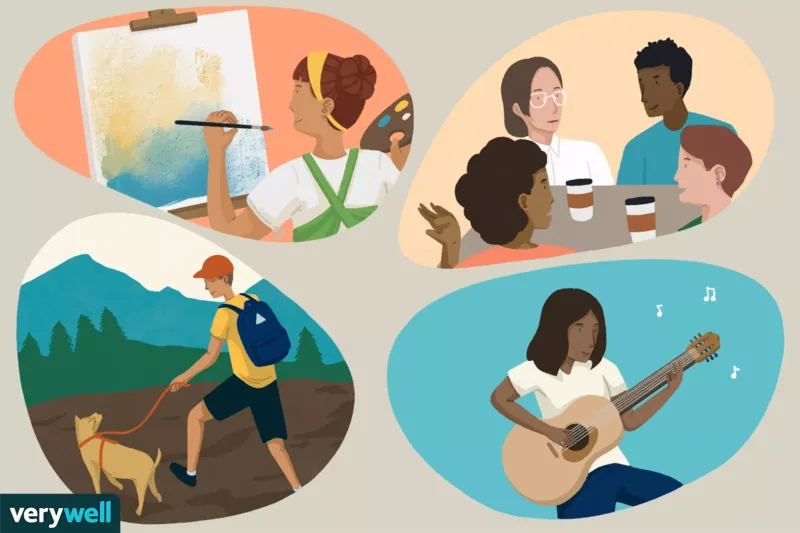
Another powerful strategy is to commit to continuous learning. Make it a point to learn one new thing each day, whether it’s a historical fact, a scientific concept, or a word in a new language. Utilize the vast resources available in 2025, from online courses and documentaries to podcasts and virtual reality educational experiences. Engage in mindful daydreaming or free association for a few minutes daily; simply let your mind wander without judgment, exploring abstract thoughts and imaginative scenarios. This practice strengthens your capacity for divergent thinking. Furthermore, actively spend time with people from different backgrounds and cultures. Seek out diverse perspectives through conversations, cultural events, or even by engaging with international communities online. Finally, try a new hobby or participate in an unfamiliar activity. Whether it’s learning to play a musical instrument, taking a cooking class for an exotic cuisine, or joining a local volunteering group, these experiences challenge your existing frameworks and expose you to new ways of thinking and behaving. These strategies demonstrate how openness affects behavior by creating opportunities for personal evolution.
Potential Downsides and Considerations
While openness is often celebrated as a positive trait, it’s important to acknowledge that, like any personality dimension, it comes with its own set of potential challenges and considerations. High openness, while fostering creativity and adaptability, can sometimes lead to a lack of focus or a tendency to jump between interests without fully committing to one. Individuals who are constantly seeking novelty might struggle with the persistence required for long-term projects or feel easily bored by routine tasks. For example, a highly open person might embark on numerous passion projects but rarely bring them to completion, always distracted by the next exciting idea.
Furthermore, the willingness to explore and experiment, even with coping strategies, can sometimes lead to engaging in behaviors with elevated risks. Research has indicated a correlation between high openness and an increased risk of non-suicidal self-harm in certain contexts, suggesting that a broad willingness to try different approaches, even maladaptive ones, can have unintended consequences (Harvard, 2024). This highlights the importance of balancing exploration with discernment and self-preservation. Conversely, extremely low openness, while providing stability and a strong adherence to tradition, can manifest as rigidity, close-mindedness, and a significant difficulty in adapting to necessary changes. This can hinder personal growth and limit opportunities for advancement in a dynamic world. Therefore, understanding how openness affects behavior requires appreciating both its strengths and its potential vulnerabilities, seeking a balanced approach that leverages its benefits while mitigating its risks.
Final Thoughts: Embracing the Spectrum of Openness
Understanding how openness affects your behavior offers profound insights into your personality, motivations, and interactions with the world. Whether you lean towards adventurous exploration or find comfort in established routines, recognizing your place on the openness continuum is the first step towards self-awareness. In 2025, as our lives become increasingly interconnected and dynamic, cultivating a degree of openness can enhance your adaptability, spark your creativity, and enrich your relationships. Embrace the journey of self-discovery, allowing yourself the freedom to explore new ideas and experiences, and watch how this fundamental trait transforms your life.