Quitting alcohol, especially after prolonged or heavy consumption, often leads to a challenging physiological response known as alcohol withdrawal. The decision to stop drinking is significant, but many wonder what to expect regarding alcohol withdrawal symptoms and how they manifest. While individual experiences vary greatly, understanding the typical symptom stages for alcohol withdrawal can provide a vital roadmap. These symptoms, which range from mild discomfort to severe, life-threatening complications, usually follow a predictable timeline, often peaking within a few days of cessation.
Navigating alcohol withdrawal symptoms effectively requires informed preparation and often medical supervision. There is no single “normal” experience, as symptoms can differ in intensity and duration for each person, influenced by drinking history, overall health, and genetic factors. This complete guide aims to empower you with knowledge, outlining the progressive stages of withdrawal, available treatments, and crucial support systems. Seeking professional help is highly recommended to manage the process safely and improve outcomes, as unsupported withdrawal can be dangerous.
Key Takeaways
- The presentation of alcohol withdrawal symptoms is highly variable, though a general timeline typically sees symptoms peak within a few days of the last drink.
- Severity can range from minor discomfort to serious, potentially fatal complications such as seizures or delirium tremens.
- Consulting a healthcare professional is crucial for managing symptoms safely and enhancing recovery prospects. This is a critical step in safely navigating this challenging period.
Understanding Alcohol Withdrawal Symptoms: A Complete Guide
The journey to sobriety often begins with confronting alcohol withdrawal symptoms, a complex set of physical and psychological changes that occur when a person significantly reduces or stops alcohol intake after prolonged heavy drinking. These symptoms are the body’s reaction to the absence of alcohol, to which it has become accustomed. Alcohol acts as a central nervous system depressant, and chronic use leads the brain to adapt by increasing excitatory neurotransmitter activity to compensate. When alcohol is removed, this overactivity is unchecked, leading to a hyper-excitable state.
This guide provides a comprehensive overview of what to expect, from initial discomfort to more severe manifestations. It’s important to remember that individual experiences with alcohol withdrawal symptoms can vary dramatically based on factors like the duration and quantity of alcohol consumed, previous withdrawal episodes, co-occurring medical conditions, and overall physical health. For instance, someone with a long history of daily heavy drinking is likely to experience more intense symptoms than someone who binges occasionally. As of 2025, medical professionals universally stress the importance of personalized care plans for detoxification.
Understanding these variations is key to preparing for and safely navigating alcohol withdrawal symptoms. While some individuals may only experience mild, flu-like symptoms, others can face life-threatening conditions such as seizures or delirium tremens (DTs). Self-detoxification without medical supervision is strongly discouraged due to these potential risks. A healthcare provider can assess individual risk factors and recommend the most appropriate and safest course of action, which may include inpatient or outpatient medical management. This proactive approach significantly improves the safety and comfort of the withdrawal process.
The Progressive Stages of Alcohol Withdrawal
Alcohol withdrawal typically unfolds through a series of stages, each characterized by escalating symptoms. While not everyone experiences all stages, and the timing can vary, this progression offers a general framework for understanding alcohol withdrawal symptoms. Medical literature, including research from institutions like Harvard (2024), consistently outlines these stages, emphasizing the importance of early intervention to prevent severe complications. Recognizing these stages is vital for both individuals undergoing withdrawal and their support systems.
The initial phase, Stage 1 – Mild Withdrawal, usually commences within 6 to 12 hours after the last drink. Symptoms at this point are often akin to a severe hangover, including headaches, nausea, reduced appetite, and insomnia. Individuals might also notice increased heart rate or mild tremors. For example, Sarah, a daily wine drinker, reported feeling a persistent dull headache and restless sleep during her first evening without alcohol, a common presentation of mild symptoms. This stage, while uncomfortable, is generally manageable with proper support and hydration.
As withdrawal progresses, Stage 2 – Moderate Withdrawal typically appears between 12 to 24 hours post-cessation. This stage includes the mild symptoms, but with increased intensity and the addition of new manifestations. Excessive sweating, a low-grade fever, elevated blood pressure, rapid breathing, and heightened anxiety are common. Imagine Mark, who, after a day without drinking, found himself sweating profusely even in a cool room, his heart pounding, and a pervasive sense of unease. These symptoms signal a more significant physiological response to alcohol’s absence and underscore the body’s struggle to rebalance without its depressant.
The most critical phase is Stage 3 – Severe Withdrawal, which can emerge 24 to 72 hours after the last drink. This stage is characterized by severe tremors, intense anxiety, and without intervention, can escalate to life-threatening complications. These may include grand mal seizures and delirium tremens (DTs), a severe form of withdrawal involving hallucinations, disorientation, rapid heart rate, and high blood pressure. For instance, David, after attempting to quit cold turkey, experienced uncontrollable shaking and vivid visual hallucinations, requiring immediate emergency medical attention. This underscores why medical supervision is paramount when navigating alcohol withdrawal symptoms, especially for those with a history of heavy drinking.
Medical Interventions and Support for Withdrawal
Successfully navigating alcohol withdrawal symptoms often hinges on timely medical intervention and a robust support system. As the body and mind undergo profound changes adjusting to sobriety, healthcare providers can offer crucial assistance. Medications play a significant role in alleviating the acute discomfort and preventing dangerous complications associated with withdrawal. Research consistently shows that individuals who seek professional medical help and receive prescribed medications experience milder, shorter-lived symptoms compared to those who attempt to quit independently (Sachdeva et al., 2015).
Benzodiazepines are the cornerstone of pharmacological treatment for alcohol withdrawal, primarily due to their effectiveness in preventing seizures and reducing anxiety. Medications like lorazepam, diazepam, or chlordiazepoxide help to calm the overactive nervous system, mimicking some of alcohol’s effects in a controlled manner. Beyond benzodiazepines, other medications may be prescribed to manage specific alcohol withdrawal symptoms. For instance, antiemetics can help with nausea, beta-blockers can address rapid heart rate and high blood pressure, and sleep aids may be used cautiously for insomnia. A doctor’s careful assessment ensures the right medication regimen for each patient’s unique needs.
Beyond medication, medical supervision provides a safe environment for detoxification. Inpatient detox facilities offer 24/7 monitoring, which is critical for individuals at high risk for severe withdrawal, such as those with a history of seizures or delirium tremens. Outpatient settings may be suitable for those with milder symptoms and strong home support. Both options provide regular check-ups, allowing healthcare providers to adjust treatment as needed and address any emerging complications promptly. The “Press ‘Play’” advice from the original content, featuring therapist Amy Morin and Jared Watson, highlights the importance of psychological strategies and professional guidance in overcoming addiction, complementing medical detox.
Moreover, medical professionals can offer education and connection to long-term recovery resources. They can explain the physiological processes behind alcohol withdrawal symptoms, helping individuals understand their experience and reduce fear. Referral to counseling, support groups like Alcoholics Anonymous, or ongoing therapy is a vital component of a holistic treatment plan. This comprehensive approach, combining medical management with psychological support, significantly increases the likelihood of a successful and sustained recovery from alcohol dependence.
Firsthand Accounts: A Journey Through Early Sobriety
The initial days of alcohol cessation are often the most challenging, marked by a wide spectrum of alcohol withdrawal symptoms as individuals embark on their journey to sobriety. While medical definitions provide a framework, firsthand accounts truly illuminate the personal struggle and resilience required. From thousands of reported experiences, it’s clear that the severity and nature of symptoms can fluctuate wildly, even within the same 24-hour period. Many who experience severe symptoms often do so because they attempt to detox without medical support, highlighting the critical need for professional guidance.
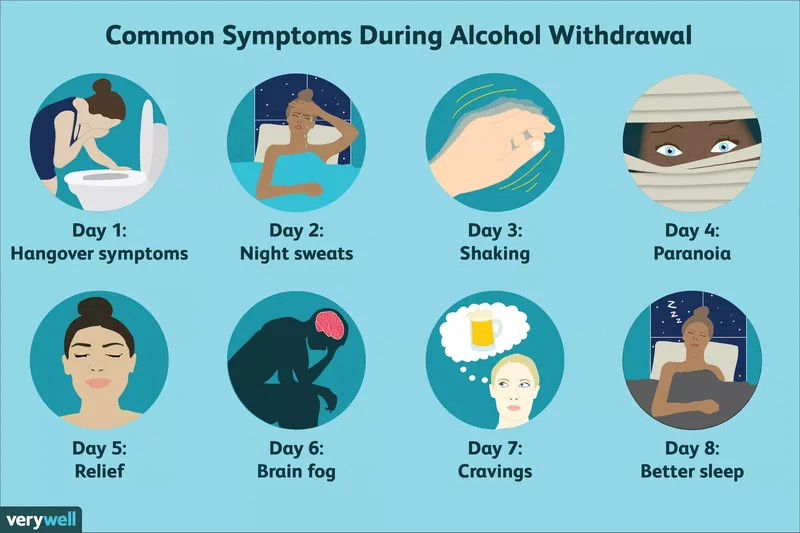
Day One typically begins with the residual effects of heavy drinking, followed by the onset of genuine withdrawal. For some, it might be mild: “I’m experiencing brain fog and finding it hard to concentrate, but surprisingly, it’s not worse than a bad hangover.” Others face moderate challenges: “The tremors started this afternoon, and my heart feels like it’s racing, but I’m trying to push through.” The severe end of the spectrum is frightening: “I couldn’t sleep at all, sweating uncontrollably, and my chest hurts. I’m terrified I might die if I don’t get help.” These early hours underscore the body’s abrupt protest at alcohol’s absence.
By Day Two, experiences diverge further. Some might feel a slight easing of symptoms, like Maria, who noted, “The worst of the shaking is gone, but I’m still clammy and can’t sleep properly.” Others, however, see an intensification: “I woke up from vivid nightmares to full-body sweats and felt disoriented. I think I might need to see a doctor soon.” This period is particularly risky for seizures and hallucinations for those with severe dependence, emphasizing the unpredictable nature of alcohol withdrawal symptoms without medical oversight.
Day Three often represents a critical juncture. For many, physical symptoms might begin to subside, offering a glimmer of hope. “My main issues now are just irritability and a bit of dizziness,” one individual might report. Yet, for others, this is when the most intense symptoms, like severe anxiety and persistent shakes, peak, making the urge to drink almost unbearable. “I’ve been battling the voice telling me ‘just one drink’ all day,” confessed another, illustrating the psychological toll. This period is a testament to the immense fortitude required to continue navigating alcohol withdrawal symptoms without relapse.
Navigating the Path to Longer-Term Sobriety: Weeks 2-4
As individuals progress beyond the initial acute phase, the experience of alcohol withdrawal symptoms often shifts, becoming less physically intense but presenting new psychological and emotional challenges. The journey through weeks two to four of sobriety reveals a gradual return to physical normalcy for many, alongside the ongoing work of maintaining abstinence. This stage is crucial for building new coping mechanisms and solidifying the commitment to a sober lifestyle.
By Day Four and Five, many report significant relief from the most severe physical symptoms. “I actually slept last night without constant sweating, and the nausea has finally gone,” shared a person in recovery. However, for some, particularly those with very heavy, prolonged alcohol use, the more severe symptoms, such as significant paranoia or visual disturbances, might only begin to manifest or peak around this time, underscoring the variability of the process. The temptation to drink can be particularly strong around Day Five, both when symptoms worsen and when they begin to improve, as the memory of discomfort fades or the desire for quick relief intensifies.
Entering Day Six and Seven, the vast majority of physical alcohol withdrawal symptoms have typically receded. Sleep patterns, which are often severely disrupted, may begin to normalize for some, though others continue to struggle with insomnia or vivid dreams. “I’m feeling semi-human now; the bloating is down, and my mind feels clearer,” a sober individual might observe. However, the battle often transitions from physical to psychological, with intense cravings and mood swings becoming more prominent. “The anxiety is still there, especially when driving home, where I used to stop for a drink,” one person noted, highlighting the power of ingrained habits.
By Week Two (Day 8-14), the benefits of abstinence become increasingly apparent. Improved energy, clearer skin, and better mental clarity are commonly reported. “My blood pressure is finally back to normal, and I’m saving money,” one person happily shared. Yet, challenges persist, including lingering insomnia, irritability, and the persistent psychological urge to drink. “I’m still snapping at everyone, and sleep is a constant battle,” another might reveal. This period emphasizes that while acute alcohol withdrawal symptoms subside, the work of recovery is ongoing, requiring continued vigilance and support.
Weeks Three and Four mark significant milestones. Physical health continues to improve, and many report feeling “fantastic,” with reduced cravings and a newfound clarity of thought. “I’ve lost weight, my skin looks amazing, and my energy is back,” one person exclaimed. However, some may still experience “partial withdrawals” or lingering issues like anxiety, fatigue, or intense sugar cravings, which can be part of Post-Acute Withdrawal Syndrome (PAWS). For those still experiencing significant physical symptoms after two weeks, medical consultation is essential to rule out other underlying conditions. This phase solidifies the understanding that effectively navigating alcohol withdrawal symptoms is a process that extends well beyond the initial detox.
Addressing Protracted Withdrawal and Maintaining Recovery
Beyond the first month of sobriety, while acute alcohol withdrawal symptoms are typically resolved, the journey toward lasting recovery often involves confronting protracted withdrawal, also known as Post-Acute Withdrawal Syndrome (PAWS). This condition can present a unique set of lingering challenges that, if unaddressed, may contribute to relapse. Understanding PAWS is crucial for maintaining long-term sobriety and developing effective coping strategies.
PAWS manifests as a constellation of persistent, albeit less severe, alcohol withdrawal symptoms that can last for weeks, months, or even a year or more after acute detox. Common manifestations include irritability, chronic sleep disturbances (insomnia or excessive fatigue), difficulty concentrating, memory problems, emotional lability (mood swings), heightened anxiety, and persistent urges to use alcohol. For example, someone might report, “Even at Day 36, I’m fatigued all day, and while I have no desire to drink, I just want my energy back.” These symptoms are a sign that the brain and body are still healing and re-calibrating after prolonged alcohol exposure.
Effective management of PAWS often involves a multi-faceted approach. A healthcare provider may prescribe medications like gabapentin to help manage specific symptoms, particularly anxiety, sleep issues, and cravings, as highlighted by the U.S. Department of Veterans Affairs (2024). However, medication is typically just one component. Behavioral therapies, such as cognitive-behavioral therapy (CBT), can help individuals develop coping skills for managing emotional triggers, improving thought patterns, and addressing sleep problems. Support groups also provide invaluable peer support and a sense of community, crucial for navigating the emotional ups and downs of PAWS.
Maintaining recovery in the face of protracted withdrawal requires dedication to developing a healthy lifestyle that fundamentally excludes drinking. This involves identifying personal triggers, establishing robust support networks, and engaging in activities that promote well-being. Regular exercise, a balanced diet, mindfulness practices, and hobbies can all contribute to physical and mental health, helping to mitigate PAWS symptoms. The stories of individuals months into sobriety, like the person at Day 210 who stated, “I miss drinking, even after all the hell it has caused. But to go back will be my death,” underscore the ongoing psychological battle. Successfully navigating alcohol withdrawal symptoms and PAWS is a testament to resilience and a commitment to a life free from alcohol.
Essential Actionable Steps for Safe Detoxification
Embarking on the path to sobriety, particularly when anticipating alcohol withdrawal symptoms, requires a strategic and informed approach to ensure safety and maximize the chances of success. The most critical actionable step is to seek professional medical guidance. A healthcare provider, ideally one specializing in addiction medicine or withdrawal management, can offer a personalized treatment plan tailored to your specific needs, taking into account your drinking history, overall health, and potential risk factors.
When consulting a professional, complete honesty about your alcohol consumption patterns and any previous withdrawal experiences is paramount. This transparency allows the provider to accurately assess your situation and develop the most effective and safest detoxification plan. Following their advice precisely, whether it involves medication, specific monitoring, or a particular setting for detox, is crucial for mitigating risks and managing alcohol withdrawal symptoms. Attempting to detox alone, especially for individuals with heavy or prolonged alcohol use, can be extremely dangerous due to the potential for severe complications like seizures or delirium tremens.
If medical detox is not immediately accessible or for individuals with very mild symptoms (though professional advice should always be sought first), enlisting a trusted, responsible, and healthy individual to monitor you throughout the withdrawal process is a wise precaution. This person can recognize signs of escalating symptoms and help you obtain urgent medical attention if needed. This support can be invaluable in safely navigating alcohol withdrawal symptoms at home.
Beyond medical supervision, incorporating complementary strategies can significantly aid the detoxification and recovery process. These tried-and-true methods help manage discomfort, reduce anxiety, and foster a healthier mindset:
- Meditation: Daily meditation practices can calm the nervous system, reduce anxiety, and improve emotional regulation, offering a powerful tool against the psychological aspects of withdrawal.
- Exercise: Gentle exercise, such as daily walks, can boost mood, improve sleep quality, and help the body process toxins. It serves as a healthy outlet for restlessness and anxiety.
- Psychotherapy: Engaging in therapy provides a safe space to explore the underlying causes of alcohol use, develop coping mechanisms, and address any co-occurring mental health conditions.
- Mindful Breathing: Simple breathing exercises can quickly reduce panic and anxiety, providing an immediate sense of control during moments of intense craving or discomfort.
As time progresses, fostering connections with supportive individuals, or even a pet, can provide comfort and help tame anxiety, negativity, and temptation. These relationships offer emotional anchors during a challenging period. For those struggling with substance use or addiction, contacting the Substance Abuse and Mental Health Services Administration (SAMHSA) National Helpline at 1-800-662-4357 is an essential first step. This resource provides information on support and treatment facilities, offering a vital lifeline in your journey to recovery and effectively navigating alcohol withdrawal symptoms towards a healthier future.