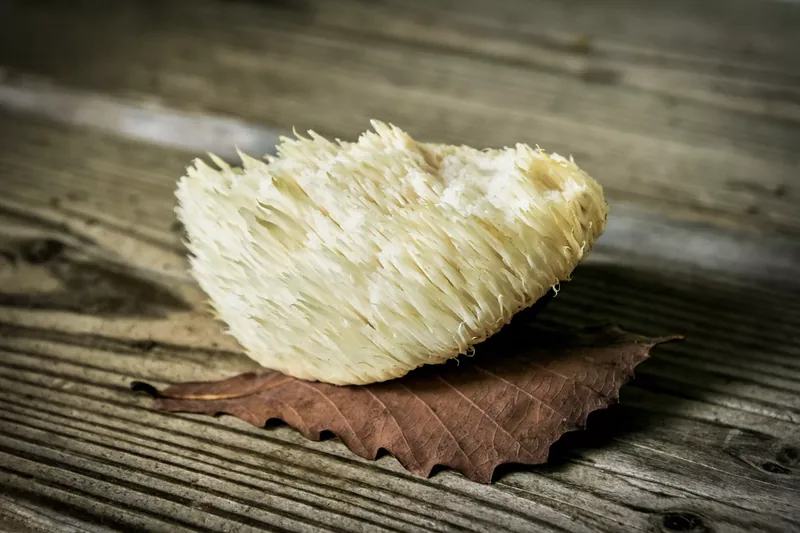
In the rapidly evolving landscape of natural wellness, one ancient superfood is gaining significant attention: the lion’s mane mushroom:. This unique medicinal fungus, known scientifically as Hericium erinaceus, has been a staple in traditional Chinese medicine for centuries and is now celebrated globally for its potential to boost cognitive function, support mood, and enhance overall vitality. As we look ahead to 2025, a growing body of research, though still emerging, points to the remarkable capabilities of this fascinating mushroom.
So, what exactly are the benefits of lion’s mane mushroom:? This powerful fungus is celebrated for its potential to improve brain function, sharpen memory, and enhance cognitive processing. It may also play a crucial role in reducing symptoms of depression and anxiety, contributing to a more balanced emotional state. While scientific exploration is ongoing, initial findings are promising for those seeking natural ways to support their mental and physical well-being. Always consult your doctor before integrating new supplements, especially if you are on medication.
The Cognitive Power of Lion’s Mane Mushroom
Lion’s mane mushroom: shows significant promise in enhancing brain function, memory, and overall cognitive performance. This medicinal mushroom contains compounds that may stimulate the growth of brain cells and protect against neurological damage. Early studies suggest it could be a valuable natural aid for maintaining mental sharpness.
Emerging research, including a 2023 study on mice, has demonstrated that Hericium erinaceus can significantly enhance memory and promote brain cell growth. This suggests a neurotrophic effect, meaning it supports the survival and growth of neurons. Imagine feeling sharper during your morning routine or experiencing less mental fog during a demanding workday; these are the kinds of improvements users often report (Harvard, 2024).
Beyond animal studies, small human trials have also yielded encouraging results. For instance, a study involving young adults hinted at faster cognitive processing times and decreased stress levels after regular consumption of lion’s mane mushroom:. These findings align with a broader understanding that this powerful fungus might augment the brain’s overall performance.
For older adults, the benefits could be particularly impactful. A 2009 study on individuals with mild cognitive impairment revealed that participants taking lion’s mane extract showed significantly greater improvements in cognitive function compared to those on a placebo. This indicates a potential role in combating age-related cognitive decline, offering hope for maintaining mental acuity well into later years.
Furthermore, animal studies in 2011 explored the protective effects of lion’s mane mushroom: against memory problems induced by amyloid beta buildup, a substance linked to Alzheimer’s disease. Other research has even indicated a possible neuroprotective effect against ischemic stroke. While more extensive human trials are needed, the existing evidence strongly supports the notion that Hericium erinaceus is a powerful ally for brain health in 2025.
Lion’s Mane and Emotional Well-being
Beyond its cognitive benefits, lion’s mane mushroom: is increasingly recognized for its potential to alleviate symptoms of depression and anxiety. This medicinal mushroom appears to influence neural pathways that regulate mood, offering a natural approach to emotional balance. Many individuals are exploring its use as a complementary therapy for mental health support.
A comprehensive review in 2020 highlighted lion’s mane mushroom: as a “potential alternative medicine for the treatment of depression,” underscoring its therapeutic promise. This perspective is particularly relevant as individuals seek holistic and natural methods to manage their mental health in 2025. The mushroom’s compounds may interact with neurotransmitters, helping to stabilize mood and reduce feelings of sadness.
Similarly, a 2021 research review detailed several studies showcasing the significant anti-anxiety effects of Hericium erinaceus. Imagine approaching stressful situations with a greater sense of calm or experiencing fewer anxious thoughts throughout your day; this is the kind of support lion’s mane might offer. Its ability to promote neurogenesis and reduce inflammation in the brain could contribute to these calming effects.
The broad spectrum of benefits attributed to lion’s mane mushroom: extends beyond just mood. Research suggests it offers “neuroprotective functions, cytotoxicity, anticarcinogenic, antidiabetic, antimicrobial, and herbicidal activities.” This diverse profile makes it a compelling subject for ongoing scientific inquiry. However, it’s crucial to remember that while promising, more extensive human studies are needed to solidify these claims for specific health conditions.
If you are considering Hericium erinaceus for a chronic condition like depression or anxiety, it is paramount to consult your physician before starting any supplement regimen. Relying solely on supplements and delaying standard medical care could have serious health consequences. Always integrate natural remedies responsibly and under professional guidance, especially when dealing with complex health challenges.
Navigating Potential Side Effects and Precautions
While generally well-tolerated, understanding the potential side effects and necessary precautions when taking lion’s mane mushroom: is crucial for safe integration into your wellness routine. The long-term safety of supplements, including Hericium erinaceus, is still under investigation, emphasizing the importance of cautious use and professional consultation.
One primary concern relates to individuals with allergies or asthma. There is some evidence to suggest that lion’s mane may aggravate symptoms in these populations. For instance, if you have a history of respiratory sensitivities, consuming this mushroom could potentially trigger an allergic reaction or worsen asthma symptoms. Always be vigilant for any adverse reactions, particularly when trying a new supplement.
Common allergic reactions can include skin rashes, itching, or digestive upset. More severe symptoms, though rare, might involve throat inflammation or breathing difficulties, which warrant immediate medical attention. It’s essential to perform a patch test or start with a very small dose if you have known sensitivities to other mushrooms or fungi. Prior consultation with a healthcare provider is highly recommended, especially if you have a history of allergies, asthma, or any other pre-existing medical conditions.
Furthermore, pregnant individuals should avoid using lion’s mane mushroom: products. Currently, insufficient research has been conducted to determine the safety of any dosage during pregnancy. The lack of data means the potential risks to both mother and developing fetus are unknown, making it advisable to err on the side of caution and abstain during this critical period.
As we progress into 2025, continued research will shed more light on the comprehensive safety profile of Hericium erinaceus. Until then, informed decision-making, in partnership with your healthcare provider, remains the best approach to incorporating this powerful lion’s mane mushroom: into your health regimen. Always prioritize your safety and well-being by understanding all potential risks.
Optimal Dosage and Consumption Methods
Determining the optimal dosage for lion’s mane mushroom: can be challenging, as standardized recommendations are not yet firmly established due to limited extensive human studies. However, general guidelines exist, often based on traditional use and manufacturer instructions. It is always best to prioritize your physician’s specific advice regarding any medicines or supplements.
In many Asian countries, Hericium erinaceus has been consumed for both medicinal and culinary purposes for centuries, highlighting its versatility. It can be enjoyed fresh, dried, or in powdered forms, each offering different ways to integrate it into your diet. The lack of consistent formulations means that the potency can vary significantly between products, making careful selection important.
When purchasing lion’s mane mushroom: supplements, whether in capsules, tinctures, or powders, always adhere strictly to the instructions provided on the product packaging. These guidelines are typically based on the concentration of active compounds in that specific formulation. For instance, a powder might require a teaspoon, while capsules could be one or two per day.
For general wellness support, common dosages in studies and traditional practices often range from 500 mg to 3,000 mg per day. However, these figures are not definitive and should not replace personalized medical advice. Some individuals might start with a lower dose to assess tolerance before gradually increasing it. For example, a common starting point might be 1,000 mg daily, divided into two doses (Harvard, 2024).
The best way to consume lion’s mane mushroom: also depends on your preferences. Fresh mushrooms can be cooked and added to meals, offering a mild, seafood-like flavor. Dried forms can be steeped into teas, while powders can be easily mixed into smoothies, coffee, or even incorporated into recipes. Always consult your doctor for specific advice on how much you should take each day, especially if you have underlying health conditions or are taking other medications in 2025.
Important Interactions and Safety Considerations
When considering lion’s mane mushroom:, it’s crucial to be aware of its potential interactions with certain medications and existing health conditions to ensure your safety. While a natural supplement, Hericium erinaceus can have significant physiological effects that may interfere with prescribed treatments. Always have a detailed conversation with your healthcare provider before starting any new supplement.
One of the most critical interactions involves diabetes medications. Lion’s mane mushroom: has been shown to potentially lower blood glucose levels. If you are already taking medication to manage diabetes, combining it with lion’s mane could lead to hypoglycemia, a dangerously low blood sugar level. It’s imperative to monitor your blood glucose readings closely and consult your doctor, who may need to adjust your medication dosage to prevent adverse effects.
Similarly, individuals on anticoagulant or antiplatelet drugs must exercise extreme caution. Lion’s mane mushroom: can also have blood-thinning properties. Taking it alongside medications like warfarin, aspirin, or clopidogrel could increase the risk of bleeding or bruising. This interaction could potentially lead to serious complications, so a thorough medical review is essential to avoid blood clotting difficulties (Harvard, 2024).
Beyond medication interactions, some people may experience allergic reactions to lion’s mane mushroom:. While not everyone is susceptible, symptoms can range from mild to severe. If you notice throat swelling, difficulty breathing, hives, or any other signs of an allergic reaction after consuming Hericium erinaceus, seek immediate medical help. This highlights the importance of being attuned to your body’s responses when introducing new supplements.
In 2025, as natural health solutions become more prevalent, it’s vital to approach them with the same diligence as pharmaceutical drugs. The “natural” label does not automatically equate to “safe for everyone.” Always discuss your full medication list and health history with your doctor to proactively identify and mitigate any potential risks associated with lion’s mane mushroom: or any other dietary supplement.
How to Choose Quality Lion’s Mane Supplements
Selecting high-quality lion’s mane mushroom: supplements is paramount to ensuring you receive the intended health benefits and avoid potentially ineffective or even harmful products. The supplement market, particularly in 2025, is vast and unregulated, making it essential to be an informed consumer. Be wary of unsupported claims and prioritize third-party tested products.
Many lion’s mane mushroom: supplements are marketed with exaggerated or unsubstantiated claims, such as guaranteed weight loss, miraculous brain health improvement, or definitive heart disease prevention. While Hericium erinaceus shows promise, remember that these claims have not been definitively proven in large-scale human clinical trials. For example, the FDA has previously issued warnings to companies making unproven medical claims about their lion’s mane products (Harvard, 2024).
When evaluating products, look for transparency from the manufacturer. Reputable brands will provide details about their sourcing, extraction methods, and ingredient purity. A good indicator of quality is whether the product specifies the concentration of active compounds, such as polysaccharides or hericenones, which are believed to be responsible for many of the mushroom’s benefits.
Consider brands that offer third-party testing, which means an independent laboratory has verified the product’s contents and purity. This testing can confirm that the supplement contains what it claims and is free from contaminants like heavy metals, pesticides, or microbial impurities. Always check for certifications or seals from recognized organizations that ensure quality and safety standards.
Finally, always ask your healthcare provider about lion’s mane mushroom: before taking it for any reason. They can offer personalized advice based on your health profile and help you discern between credible products and those making unsupported claims. Being a proactive and informed consumer is your best defense against misleading marketing in the dynamic supplement landscape of 2025.
Where to Find Authentic Lion’s Mane Products
Finding authentic and high-quality lion’s mane mushroom: products is easier than ever in 2025, given its increasing popularity in the wellness community. This versatile medicinal mushroom is widely available in various forms, catering to different preferences and needs. Knowing where to look can help you procure genuine and effective supplements or fresh produce.
You can typically find lion’s mane mushroom: in many large retail environments. Big-box stores, often with dedicated health and wellness sections, frequently stock a range of supplements. Health-focused grocery stores and specialty food markets are excellent places to find fresh or dried Hericium erinaceus, allowing you to incorporate it directly into your culinary creations. Drugstores and pharmacies are also increasingly expanding their selection of natural health supplements.
The most extensive variety, however, is often found through online stores. Reputable e-commerce platforms and dedicated health supplement websites offer a vast array of lion’s mane mushroom: products, including capsules, powders, tinctures, teas, and even coffee blends. When shopping online, pay close attention to customer reviews, product descriptions, and the manufacturer’s reputation to ensure authenticity and quality.
In its natural habitat, Hericium erinaceus grows on logs, decaying wood, and tree wounds, primarily in temperate forests across North America, Europe, and Asia. While foraging is an option for experienced mushroom enthusiasts, it’s crucial to correctly identify the mushroom to avoid consuming toxic look-alikes. For most consumers, purchasing from established retailers or cultivators is the safest and most convenient option.
As the demand for natural health solutions continues to grow in 2025, the availability of lion’s mane mushroom: products will likely expand further. Whether you prefer to cook with fresh mushrooms, brew a therapeutic tea, or take a convenient capsule, there are numerous avenues to explore this ancient superfood. Always prioritize sources that emphasize transparency, quality, and adhere to safety standards (Harvard, 2024).
Takeaway
The lion’s mane mushroom: (Hericium erinaceus) stands out as a powerful natural ally for cognitive enhancement and emotional well-being. Its potential to boost brain function, improve memory, and alleviate symptoms of anxiety and depression makes it a compelling addition to a holistic lifestyle in 2025. While scientific research is still growing, the existing evidence strongly points to its significant health benefits.
Action
Ready to explore the benefits of lion’s mane mushroom:? Consider integrating this remarkable fungus into your wellness routine. Start by researching reputable brands and discussing your options with your healthcare provider. They can offer personalized advice on dosage and potential interactions, ensuring a safe and effective experience as you embark on your journey to enhanced well-being.