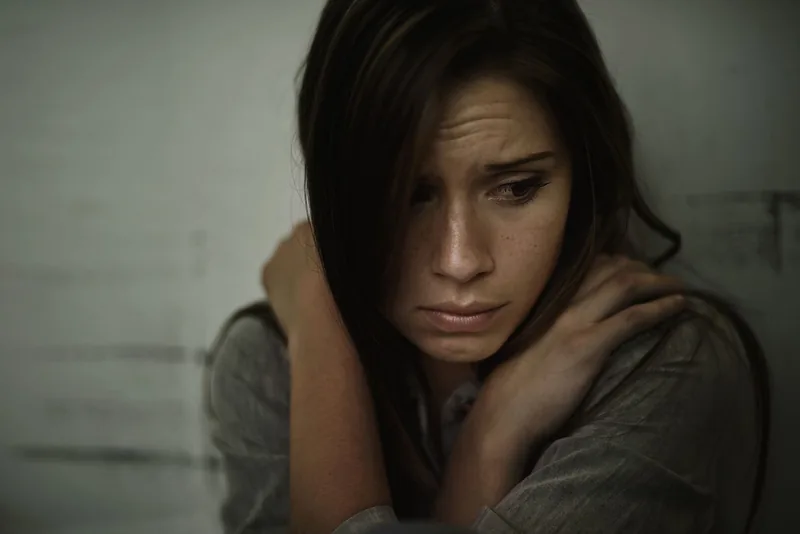
Three years ago, Sarah started having panic attacks every time she drove over a bridge. It wasn't the height or the mechanics of the bridge; it was a sudden, overwhelming certainty that the bridge would collapse, sending her plummeting into the water below. This intense, irrational fear wasn't about the bridge itself, but a deeply rooted anxiety about her own mortality, a fear of death that had begun to dictate her life.
The fear of death is a universal human experience, a quiet hum beneath the surface of our daily lives. For most, it's a healthy instinct that prompts caution and encourages us to cherish the moments we have. But for some, like Sarah, this fear escalates, transforming from a natural awareness into a debilitating phobia that disrupts routines and steals joy. Understanding the nuances of this fear is the first step toward reclaiming control and living a life unburdened by its shadow.
Understanding the Fear of Dying
It's natural to feel a degree of apprehension about death. It's the ultimate unknown, a frontier we can't fully comprehend while we're here to ponder it. Studies show that a significant portion of the population experiences this anxiety; a survey found that over 20% of Americans report being afraid or very afraid of dying (Chapman University, 2017). This fear of death is so pervasive it has its own field of study, thanatology, dedicated to understanding our relationship with mortality.
While some fear is normal, even beneficial, an excessive fear of death can become profoundly unhealthy. It's a sign that this natural apprehension has crossed the threshold into thanatophobia, an intense, often irrational dread that can paralyze decision-making and dominate one's thoughts. When the fear of death is this consuming, it demands a closer look at its roots and potential remedies.
Why Death Can Feel Scary
The general fear of death often breaks down into several more specific anxieties. These fears, while distinct, can intertwine and amplify each other, creating a complex web of dread.
Fear of Pain and Suffering
One of the most visceral fears surrounding death is the prospect of enduring excruciating pain or prolonged suffering. This concern is understandable, especially for those facing terminal illnesses. However, advancements in palliative and hospice care have significantly improved comfort measures, aiming to alleviate physical distress during the end of life (National Institute on Aging, n.d.).
Fear of the Unknown
Death remains the ultimate mystery. Our innate human desire to understand and control our environment clashes with the inherent unknowability of what lies beyond life. This void of certainty can be a powerful source of anxiety for many.
Fear of Non-Existence
The thought of simply ceasing to be can be deeply unsettling. This fear isn't exclusive to those without spiritual beliefs; even individuals with faith may grapple with doubts about the afterlife or whether they've lived a life worthy of it.
Fear of Eternal Punishment
For some, the end of life brings the anxiety of facing judgment or eternal retribution for past actions. This concern can weigh heavily, regardless of one's specific religious doctrine or spiritual path.
Fear of Loss of Control
Much of our daily lives involves navigating and managing situations. Death, however, represents a complete surrender of control. This lack of agency can be terrifying, leading some individuals to adopt extreme risk-aversion strategies or hyper-focus on health monitoring.
Fear for Loved Ones
Beyond personal anxieties, many worry intensely about the well-being of those they leave behind. Parents might fear for their children's future, caregivers might fret over who will manage their loved one's complex needs, and partners may dread the loneliness of life after loss.
Normal Versus Unhealthy Death Anxiety
It's crucial to distinguish between a healthy awareness of mortality and a debilitating phobia. A healthy fear of death acts as a compass, guiding us toward safer choices--like buckling up or wearing a helmet--and reminding us to appreciate the present. It can motivate us to live more intentionally, pursue meaningful goals, and leave a positive legacy.
George Bernard Shaw eloquently captured this sentiment, stating, "I want to be thoroughly used up when I die, for the harder I work the more I live." This perspective embraces life's intensity rather than shying away from its inevitable end.
Conversely, an unhealthy fear of death, or thanatophobia, is characterized by its pervasiveness and irrationality. It can manifest as constant worry, avoidance behaviors (like Sarah's bridge phobia), and a general inability to engage fully with life. This level of anxiety isn't just an inconvenience; it's a significant barrier to well-being.
Consider Mark, who became so anxious about a potential heart attack that he stopped all physical activity and avoided social gatherings, fearing any exertion might be his last. His fear of death was so consuming it was actively preventing him from living a healthy and connected life.
Navigating Your Fear of Death
When the fear of death is interfering with your daily life, seeking support is essential. Therapies like Cognitive Behavioral Therapy (CBT) can be highly effective in challenging and reframing anxious thoughts and developing coping mechanisms. Mindfulness and meditation practices can also help ground you in the present moment, reducing the power of future-oriented anxieties.
Open conversations about mortality, whether with loved ones, a spiritual advisor, or a therapist, can demystify the unknown and provide comfort. Exploring philosophical or spiritual perspectives that resonate with you can also offer a framework for understanding death and finding a sense of peace.
Remember, the goal isn't to eliminate all fear--a natural response to mortality--but to manage it so it doesn't control your life. By understanding its roots and developing healthy coping strategies, you can move from a place of dread to one of acceptance and a deeper appreciation for the life you are living right now. This journey towards peace, while challenging, allows you to truly embrace each day.