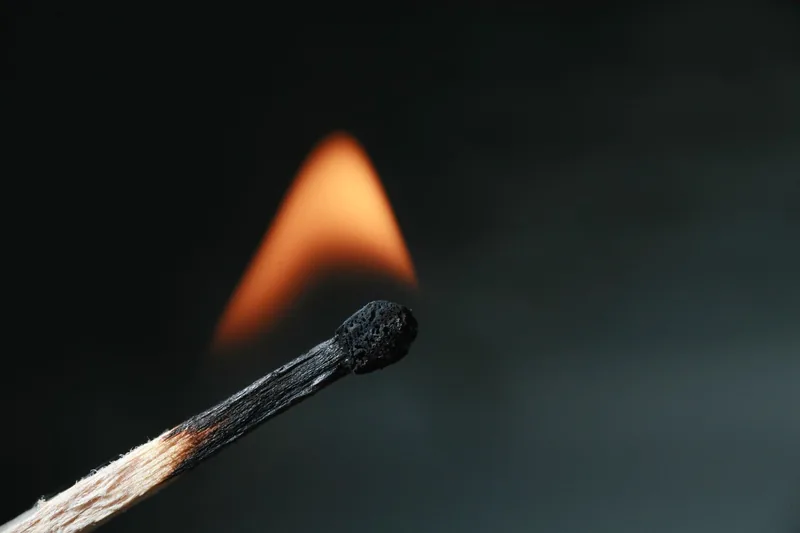
The crackle of a bonfire, the hiss of a gas stove igniting, the mesmerizing dance of flames - fire has a primal hold on human fascination. But for some, this fascination escalates into an uncontrollable urge, a powerful compulsion that can lead to devastating consequences. When does a curious interest in fire cross the line into a dangerous disorder, and how does it differ from the deliberate act of arson? Understanding the difference between pyromania and arson is crucial, as one is a psychological condition, and the other is a crime.
Understanding Pyromania: An Impulse Control Disorder
Pyromania is classified as an impulse control disorder. At its core, it's characterized by recurrent, deliberate, and purposeful setting of fires. This isn't about malice or financial gain; it's driven by an intense internal pressure. Individuals experiencing pyromania often feel a mounting tension and a sense of exhilaration or arousal before setting a fire, followed by a profound sense of relief or gratification afterward. It's a cycle driven by an overwhelming urge that they struggle to resist.
The Diagnostic and Statistical Manual of Mental Disorders (DSM-5-TR) places pyromania within the disruptive, impulse-control, and conduct disorders section. The defining characteristic is not just the act of setting fires, but the persistent, recurrent nature of these episodes, coupled with a compelling psychological experience surrounding them.
The Hallmarks of Pyromania
Beyond the act of fire-setting itself, several key indicators point towards pyromania. People with this condition often exhibit an intense and persistent fascination with fire. This can manifest in various ways: they might compulsively watch news reports about fires, collect fire-related paraphernalia like lighters and matches, or even spend time observing fire departments and their equipment. Some may find themselves drawn to professions involving fire, like becoming a firefighter, not out of altruism, but due to the underlying obsession.
The emotional component is paramount. The tension that builds before setting a fire can feel almost unbearable, a psychic pressure that demands release. This is followed by a potent sense of pleasure, satisfaction, or even euphoria when the fire ignites and spreads. This isn't a rational decision; it's an almost involuntary response to overwhelming internal stimuli.
Importantly, pyromania is distinct from other motivations for fire-setting. The fires are not set for financial gain, to conceal criminal activity, as an act of revenge, or to improve one's living situation. The behavior is not a result of delusions or hallucinations, nor is it linked to impaired judgment due to intellectual disability. Furthermore, the fire-setting cannot be better explained by another mental health condition, such as conduct disorder or antisocial personality disorder, nor can it occur during a manic episode.
Individuals with pyromania may engage in extensive planning before setting a fire. They might appear indifferent to the potential harm caused to people or property, or they may derive pleasure from the ensuing destruction. For example, someone might compulsively set small fires in secluded outdoor areas, finding a strange comfort in watching the flames consume dry leaves or discarded paper.
Pyromania vs. Arson: A Critical Distinction
The core difference between pyromania and arson lies in their underlying motivations and legal classifications. Arson is a crime, defined by the deliberate and malicious burning of property. It is driven by external motives, such as insurance fraud, revenge, vandalism, or covering up other crimes.
A person committing arson has a clear, albeit illegal, purpose for setting the fire. They might burn down a rival's business to gain a competitive edge or set fire to their own property to collect insurance money. The act is intentional and goal-oriented in a criminal sense.
Pyromania, on the other hand, is a psychiatric diagnosis. While fire-setting is the observable behavior, the underlying issue is an impulse control disorder. The motivation is internal and psychological: the relief of tension and the pursuit of pleasure associated with the act of fire itself. Someone with pyromania doesn't necessarily have a criminal intent; their actions stem from an inability to control a powerful urge.
Consider this: a person might hoard lighters and matches, constantly feeling a pull to experiment with fire. They might burn small holes in their own clothing or set tiny fires in a backyard sandbox, experiencing that characteristic tension and release. This is a manifestation of pyromania. Contrast this with someone who intentionally sets fire to an abandoned building to collect scrap metal from within - that's arson.
What Fuels the Urge? Causes and Risk Factors
The exact cause of pyromania remains elusive, with research suggesting a complex interplay of factors. It's not attributable to a single gene or event. Some theories propose a genetic predisposition, potentially linking it to behavioral addictions. Other contributing elements may include imbalances in brain chemistry, chronic stress, early life experiences, and environmental influences.
Certain co-occurring mental health conditions can heighten the risk. Individuals with a history of gambling disorder, bipolar disorder, substance use disorders, or antisocial personality disorder may be more susceptible to developing pyromania. These conditions often share underlying issues with impulse control and reward-seeking behaviors.
While precise prevalence figures are hard to pin down, pyromania is considered relatively rare. Estimates suggest it affects a small fraction of the general population. Studies indicate that among psychiatric inpatients, between 3% and 6% meet the full criteria for pyromania. Even within populations with a history of repeat fire-setting behaviors, such as those in the criminal justice system, only about 3.3% fully meet the diagnostic criteria for pyromania.
Several risk factors have been identified:
- Gender: While pyromania affects both males and females, it is significantly more common in males.
- Age: The condition most often emerges during adolescence or early adulthood.
- Learning Disabilities and Social Skills: Individuals with learning disabilities or underdeveloped social skills may be at higher risk.
- Other Mental Health Conditions: As mentioned, co-occurring disorders play a significant role.
- Substance Use Disorders: A history of substance abuse can be a contributing factor.
- Trauma and Neglect: Associations have been noted with individuals who have experienced sexual or physical abuse, parental neglect, or abandonment.
- History of Crime: A prior history of criminal behavior, particularly vandalism, has also been linked to fire-setting tendencies.
For instance, a teenager struggling with social isolation and a history of bullying might find a distorted sense of power and control in setting small, localized fires, a behavior stemming from underlying psychological distress rather than criminal intent.
Understanding Pyromania in Children and Adolescents
Fire-setting behavior in young people is a serious concern, but it's crucial to remember that only a small subset of these individuals will meet the diagnostic criteria for pyromania. There isn't a single age of onset, and while it can be identified in childhood, its persistence into adulthood is unclear. The behavior can be episodic, with periods of fire-setting followed by apparent remission, only to resurface later.
Family, teachers, or friends might be the first to notice an unusual preoccupation with fire in a child. In adolescents, fire-setting is often associated with other behavioral and emotional challenges, such as conduct disorder, ADHD, or adjustment disorders. It's vital to address these behaviors early, as they can escalate and lead to severe consequences.
Treatment and Management Strategies
Addressing suspected pyromania promptly is essential to mitigate risks of injury, property damage, legal repercussions, and even fatalities. The primary treatment approach for pyromania is cognitive behavioral therapy (CBT). CBT helps individuals identify the triggers and escalating tension that precede fire-setting urges.
Through CBT, individuals learn to recognize these feelings and develop healthier, safer coping mechanisms to manage their impulses and release tension. This might involve engaging in physical activity, practicing relaxation techniques, or redirecting their focus to constructive activities. For example, a therapist might help someone develop a plan to engage in a hobby like woodworking or painting whenever the urge to set fires arises.
Family counseling can also be beneficial, equipping loved ones with the understanding and tools to support the individual and maintain safety within the household. While there are no medications specifically approved to treat pyromania, doctors may prescribe medications to manage co-occurring conditions like anxiety, depression, or other impulse control disorders. Treating these underlying issues can sometimes help improve overall impulse control and reduce the urge to set fires.
The journey toward managing pyromania involves a multi-faceted approach, focusing on behavioral change, psychological support, and addressing any contributing mental health conditions. Understanding the deep-seated nature of this disorder is the first step toward effective intervention and preventing further harm.