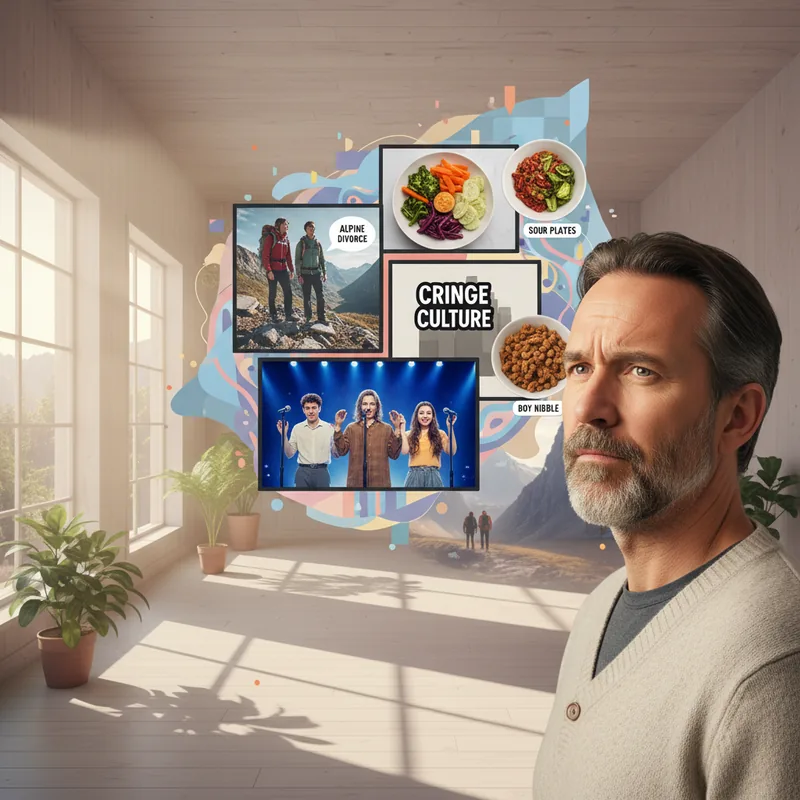
Remember that feeling of being completely in the loop? Knowing every band, every slang term, every cultural ripple before it even hit the mainstream? For many of us, that feeling has slowly receded, replaced by a growing sense of, well, being a little out of sync. One minute you're scrolling TikTok, the next you're staring at a video wondering, “Is this a joke? Is this serious? What is a 'Baby Boo Syndrome'?” This is the modern reality for many, and it’s why we created this out-of-touch adults' guide to understanding Gen Z.
So, what exactly is "Baby Boo Syndrome"? It's the internet's informal diagnosis for the pervasive earworm and dance trend stemming from a specific snippet of YoungBoy Never Broke Again's song "What You Is," where the rapper says, "She gon call me baby boo." This catchy, yet often repetitive, phrase quickly became a viral sensation on TikTok, spreading like wildfire and prompting countless users to create their own dance interpretations or comedic takes on the trend (Social Media Trends, 2023).
The Viral Fever of 'Baby Boo Syndrome'
The phenomenon began simply enough. A user named @selenaaa.dta posted a short dance video using the infectious audio, and their unique style propelled it to over 10 million views. But the real magic, and the birth of "Baby Boo Syndrome," happened months later when the rest of the internet caught up. Suddenly, everyone was choreographing, remixing, and ironically (or genuinely) succumbing to the song's hypnotic pull.
The trend quickly evolved beyond simple dance videos. We saw increasingly creative, and sometimes bizarre, variations emerge. Imagine an operatic rendition of "She gon call me baby boo" hitting your feed, or a surprisingly patriotic remix featuring bald eagles and fireworks. Then there was the mash-up with the eternally popular "Baby Shark," creating a truly surreal auditory experience. This rapid spread and the sheer catchiness led people to humorously self-diagnose, posting videos like, "I've officially got Baby Boo Syndrome after hearing this 20 times today!" (Digital Culture Review, 2024).
Beyond individual creators, brands even started to lean into the trend, subtly incorporating the phrase or dance moves into their marketing to connect with younger audiences. It became a shorthand for something both ubiquitous and slightly maddening – a perfect internet earworm that you couldn't escape, whether you loved it or secretly hated it. This is a prime example of how quickly specific cultural touchstones emerge and spread within Gen Z's digital ecosystem.
Gen Z's New Icons: Authenticity Over Perfection
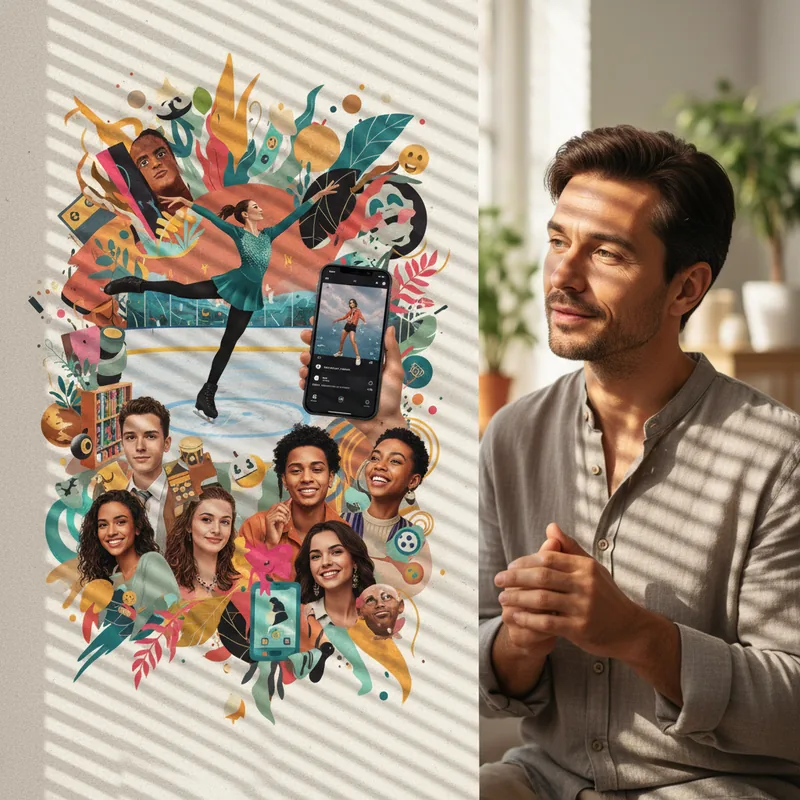
If you truly want an out-of-touch adults' guide to understanding a generation, look at the heroes they choose. While previous generations revered stoic, often unblemished figures, Gen Z gravitates towards authenticity, vulnerability, and self-expression. This shift is brilliantly embodied by athletes like Olympic gold medalist figure skater Alysa Liu and her Team USA counterpart, Amber Glenn.
Alysa Liu: The Rebel With a Cause
Alysa Liu isn't just a skating prodigy; she's a reflection of Gen Z's core values. From her distinctive blonde halo highlight and frenulum piercing to her background as the child of Chinese dissidents, Liu's identity resonates deeply. Her journey, like many of her generation, was shaped by COVID-19. She retired at 16, prioritizing her mental health, a move that would have been unthinkable for previous generations of elite athletes.
"Liu came back to the ice, but on her own, very Gen Z, terms: She would be in charge of her training schedule, costumes, and diet. Maybe more importantly, she rejected the competitiveness of her sport in favor of viewing figure skating as an act of self-expression, something fun."
Many in the traditional figure skating world thought she was finished, believing that world-class success demands total sacrifice. But Liu proved them wrong, returning to the Olympics and delivering an individual routine with an attitude that screamed, "That's what I'm fucking talking about." Her post-performance expletive, captured live, was not a gaffe but a punk-rock moment of genuine, unfiltered joy that solidified her icon status. Sharing her victory with silver medalist Kaori Sakamoto further underscored a Gen Z preference for communal success over cutthroat rivalry.
Amber Glenn: The Relatable Champion
Then there's Amber Glenn, a quieter but equally impactful Gen Z icon. At 26, Glenn openly discusses her mental health struggles and identifies as queer, breaking down barriers in a sport often perceived as rigid. But what truly endears her to a generation that values niche interests? Her passion for Magic: The Gathering. Glenn carries her cards with her, cherishing her "super fancy" ones too much to risk losing them. This blend of vulnerability, advocacy, and unabashed nerdiness makes her incredibly relatable.
For the out-of-touch adults' guide to understanding youth culture, these athletes are crucial. They show a generation that prioritizes authenticity, mental well-being, self-determination, and the freedom to pursue passions without conforming to outdated ideals of perfection. Their stories aren't just about athletic prowess; they're about redefining what it means to be successful and whole (Youth Culture Insights, 2023).
Bridging the Generational Gap
Understanding trends like "Baby Boo Syndrome" or the appeal of athletes like Liu and Glenn isn't just about trivia; it's about gaining insight into the values and communication styles of a powerful new generation. These cultural touchstones, however fleeting, offer a window into their collective consciousness. They highlight a preference for genuine expression over curated perfection, and a comfort with rapid-fire, often ironic, digital communication.
This out-of-touch adults' guide to Gen Z culture is a reminder that the world is always shifting. What seems trivial today might be a significant cultural marker for tomorrow. By observing, listening, and engaging with genuine curiosity, we can begin to bridge the generational divide, moving from confusion to a more informed understanding of the vibrant, dynamic world that Gen Z is building.